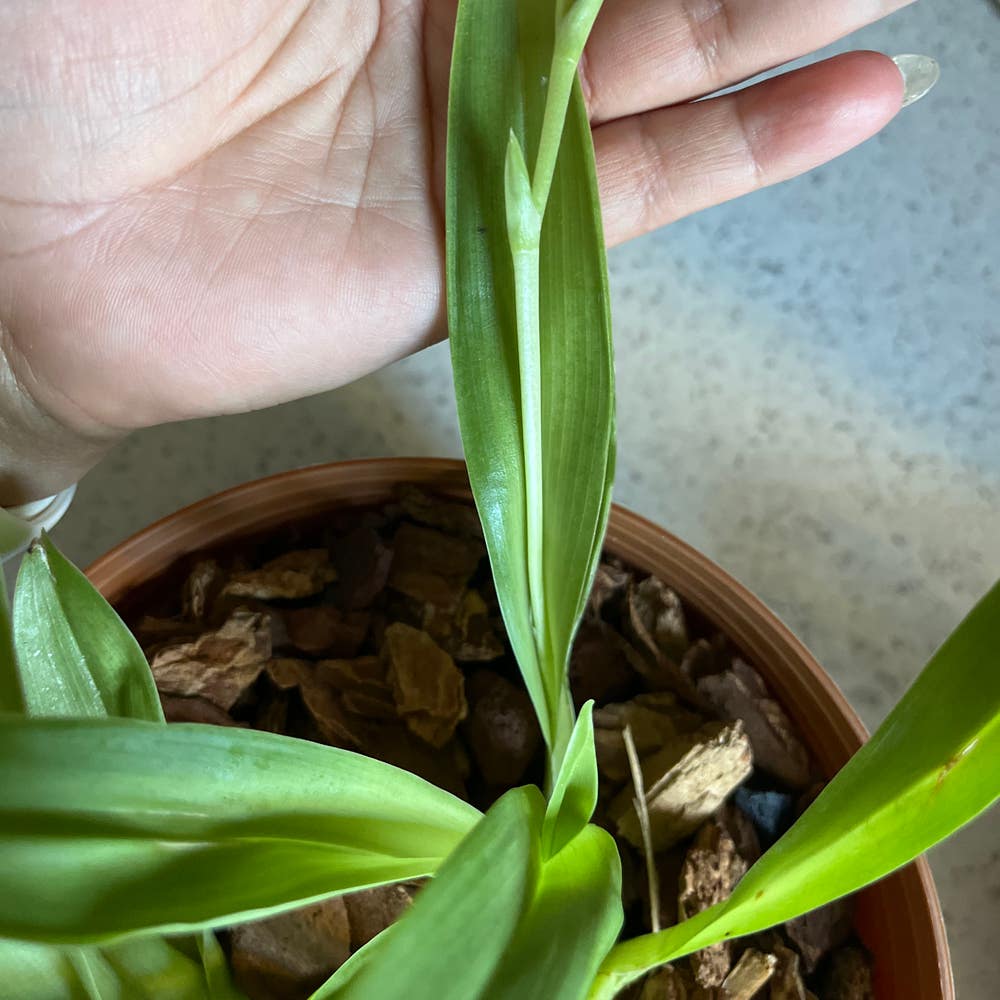
🌸 Why Does My Miltoniopsis phalaenopsis Have Yellow Leaves?
Miltoniopsis phalaenopsis
By the Greg Editorial Team
Jun 18, 2024•6 min read
This article was created with the help of AI so we can cover more plants for you. May contain errors. See one? Report it here.
Revive your orchid's glow 🌱 by cracking the yellow leaf code for a thriving Miltoniopsis phalaenopsis! 🌟
- Overwatering and underwatering both cause yellow leaves; aim for moist soil.
- 🌞 Bright, indirect sunlight and stable temperatures are key to orchid health.
- Nutrient balance and regular care prevent yellowing and promote thriving orchids.
When Watering Gets Tricky: Finding the Balance
💧 Too Much H2O: The Overwatering Problem
Spotting the Signs of Soggy Soil
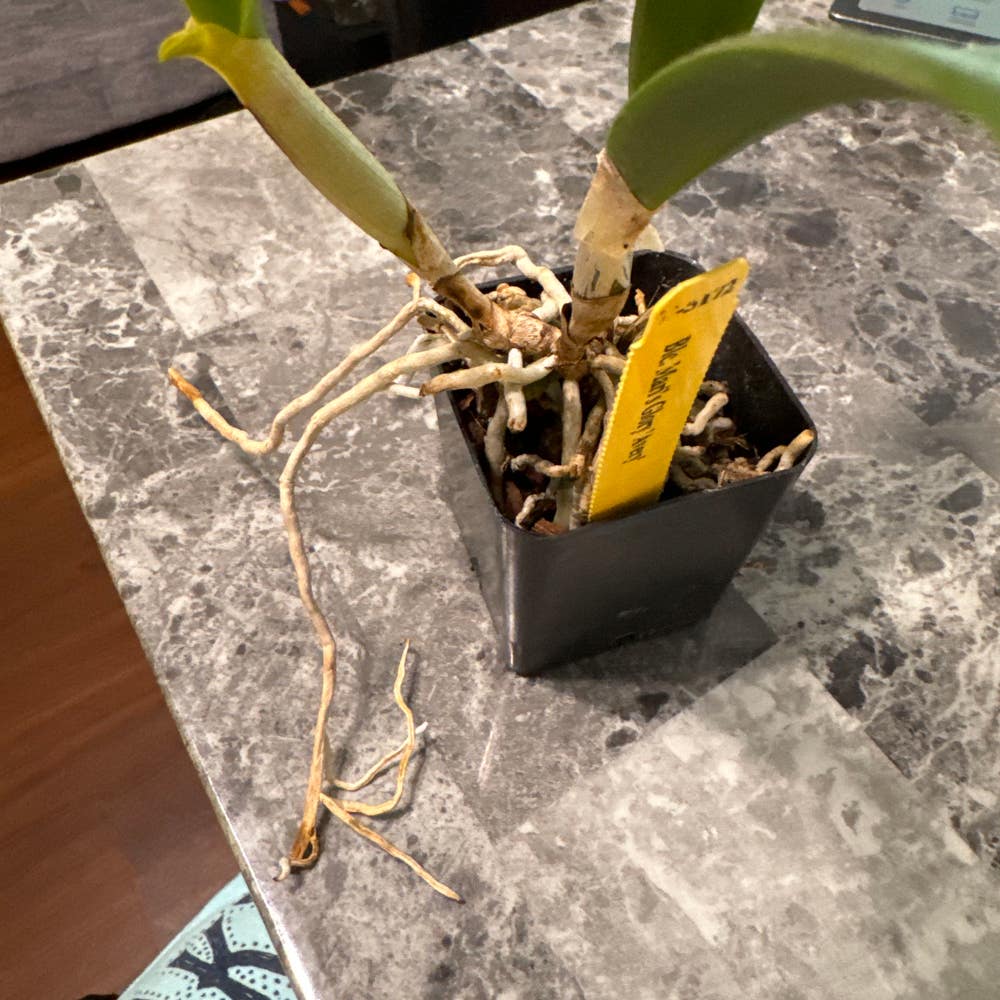
Yellow leaves on your Miltoniopsis phalaenopsis can be a red flag for overwatering. If the roots have turned into a mushy brown mess, it's a clear sign of root rot. Root health is critical; they should be firm and white, not soft or brown.
Tailoring Your Watering Routine
To prevent overwatering, check the top inch of soil before giving your orchid a drink. Ensure your pot has ample drainage to avoid waterlogging. Stick to a consistent watering schedule, but always verify soil moisture first—it should feel like a wrung-out sponge, not a swamp.
💦 Not Enough Water: The Underwatering Issue
Recognizing a Thirsty Orchid
Underwatering is no less of a problem. If your orchid's leaves look deflated, it's time to up the hydration game. Roots should never be bone-dry; they need some moisture to stay healthy.
Hydration Tips to Prevent Yellowing
When watering, use room-temperature water and water deeply enough to reach the roots. If the soil dries out too quickly, consider repotting into a medium with better water retention. Adjust your watering frequency based on the plant's response, and remember, the goal is moist soil, not a desert or a deluge.

Let There Be Light (But Not Too Much!)
💡 The Goldilocks Zone for Light
Orchids communicate through their leaves, and Miltoniopsis phalaenopsis is no exception. Light stress can manifest in a variety of ways, from leaves turning a pale yellow to a sunburnt red. It's crucial to interpret these signals accurately to maintain the health of your orchid.
💡 Identifying Symptoms of Light Stress
If your orchid's leaves are looking more bleached than a 90s boy band member, it's getting too much sun. On the flip side, leaves darker than your favorite coffee brew suggest a craving for more light. These visual cues are your plant's way of saying, "Help!"
💡 Adjusting Your Orchid's Sunbathing Schedule
To prevent your orchid from turning into a crispy critter, aim for bright, indirect sunlight. Think of it as putting your plant behind sunglasses—a sheer curtain can work wonders. If your home is on the darker side, consider LED grow lights to provide a consistent light source without the risk of sunburn.
- Rotate your orchid regularly to avoid uneven growth and ensure all sides receive equal light.
- Gradually acclimate your orchid to new lighting conditions to prevent shock.
- Observe and adjust the light exposure based on your orchid's growth and bloom cycles.
- Use timers for artificial lighting to mimic natural light patterns and maintain consistency.
Remember, your Miltoniopsis phalaenopsis isn't seeking a tan; it's looking for that perfect balance of light to thrive without the threat of a sunburn.

Feeding Your Orchid: A Nutrient Balancing Act
💡 Spotting the Signs of Nutrient Deficiency
Yellow leaves on your Miltoniopsis phalaenopsis can be a distress signal for nutrient deficiency. It's like your orchid is waving a tiny, leafy white flag, begging for a nutritional pick-me-up.
Nitrogen is often the missing piece when leaves start to pale. But don't forget about phosphorus and potassium; these are the supporting actors in your orchid's growth story. A lack of phosphorus might leave you with a lush green plant that's all leaves, no blooms. And potassium? It's the unsung hero that keeps your orchid's cell processes on track.
🍽️ Crafting the Perfect Fertilizer Mix
Creating the ideal fertilizer mix is like being a chef for your plant. You need the right balance of N-P-K (nitrogen, phosphorus, potassium), but don't ignore the micronutrients. They're the pinch of salt that perfects the dish—boron, copper, iron, and friends are crucial, even in tiny doses.
Remember, over-fertilizing is like force-feeding; it does more harm than good. Stick to the instructions, and keep it balanced. During growth spurts, your orchid's appetite might increase, but when it's resting, it's basically on a diet.
Lastly, consider the medium you're mixing your fertilizer into. Water quality matters. Use filtered or rainwater to avoid chemical buildup that can lead to nutrient lockout. It's about giving your orchid a gourmet meal, not just a snack.

Keeping Your Cool (and Warmth): Temperature Matters
🌡️ The Temperature Tango
Temperature fluctuations are the silent saboteurs of Miltoniopsis phalaenopsis, turning vibrant leaves to a sickly yellow. Like a moody teenager, this orchid thrives on stability.
🌡️ Understanding Temperature Swings
Consistency is your orchid's best friend. Miltoniopsis phalaenopsis demands intermediate temperatures, ideally between 50 to 80 F. Stray too far from this range, and you'll witness a color drain from your plant's leaves faster than a battery on a cold day.
🌡️ Crafting the Ideal Climate
To keep your orchid's leaves from throwing a yellow tantrum, monitor your thermometer like a hawk. Avoid placing your plant near drafty windows or too close to heaters. Think of it as setting up a microclimate; a little effort goes a long way in preventing temperature-induced meltdowns.
Wrapping Up: Prevention and Proactive Care
🌱 Merging Proactive Care with Parting Advice
Regular check-ups are your Miltoniopsis phalaenopsis's best defense against the dreaded yellow leaf. Like a well-oiled machine, your orchid care routine should run with precision and attention to detail. Adjust your watering, lighting, and temperature settings as soon as you notice any discoloration or distress in the leaves.
🌿 Encouraging Routine Environment Tweaks
Keep your orchid's environment as stable as a rockstar's fan base. Sudden changes are a no-go. Temperature should be consistent, and lighting should mimic a cloud-filtered sun—bright but not harsh. Your watering can isn't just a tool; it's a lifeline—use it wisely to avoid over or underwatering.
🛡️ Proactive Measures: The Key to Longevity
Pruning isn't just about aesthetics; it's about health. Snip off any yellow or damaged leaves to prevent potential spread of disease. Cleanliness is crucial—wipe down leaves to keep pests from throwing a party at your orchid's expense.
🌞 Long-Term Care Practices
For the long haul, think of your orchid care like a routine—it needs to be as regular and necessary as your morning coffee. Bright, indirect sunlight and maintaining temperatures around 75°F by day and 65°F at night are your benchmarks. Water when the roots turn silvery, and fertilize monthly with a diluted orchid fertilizer to keep those leaves green and glorious.
⚠️ Safety First
This content is for general information and may contain errors, omissions, or outdated details. It is not medical, veterinary advice, or an endorsement of therapeutic claims.
Always consult a qualified healthcare professional before using any plant as food, medicine, or supplement.
Never eat any plant (or feed one to pets) without confirming its identity with at least two trusted sources.
If you suspect poisoning, call Poison Control (800) 222-1222, the Pet Poison Helpline (800) 213-6680, or your local emergency service immediately.
Spotted an error? Please report it here.
Turn those yellow 🍂 leaves into a sign of the past and ensure your Miltoniopsis phalaenopsis flourishes with Greg's personalized care reminders and expert tips.