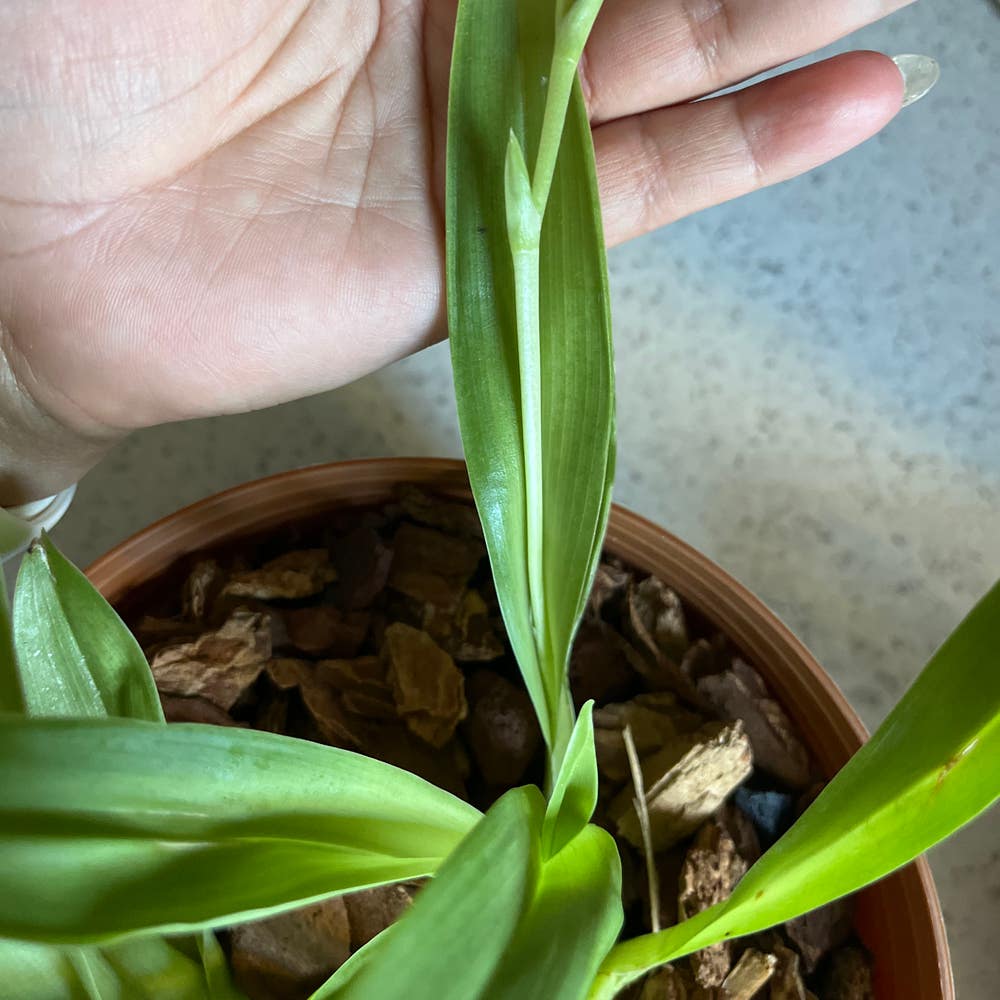
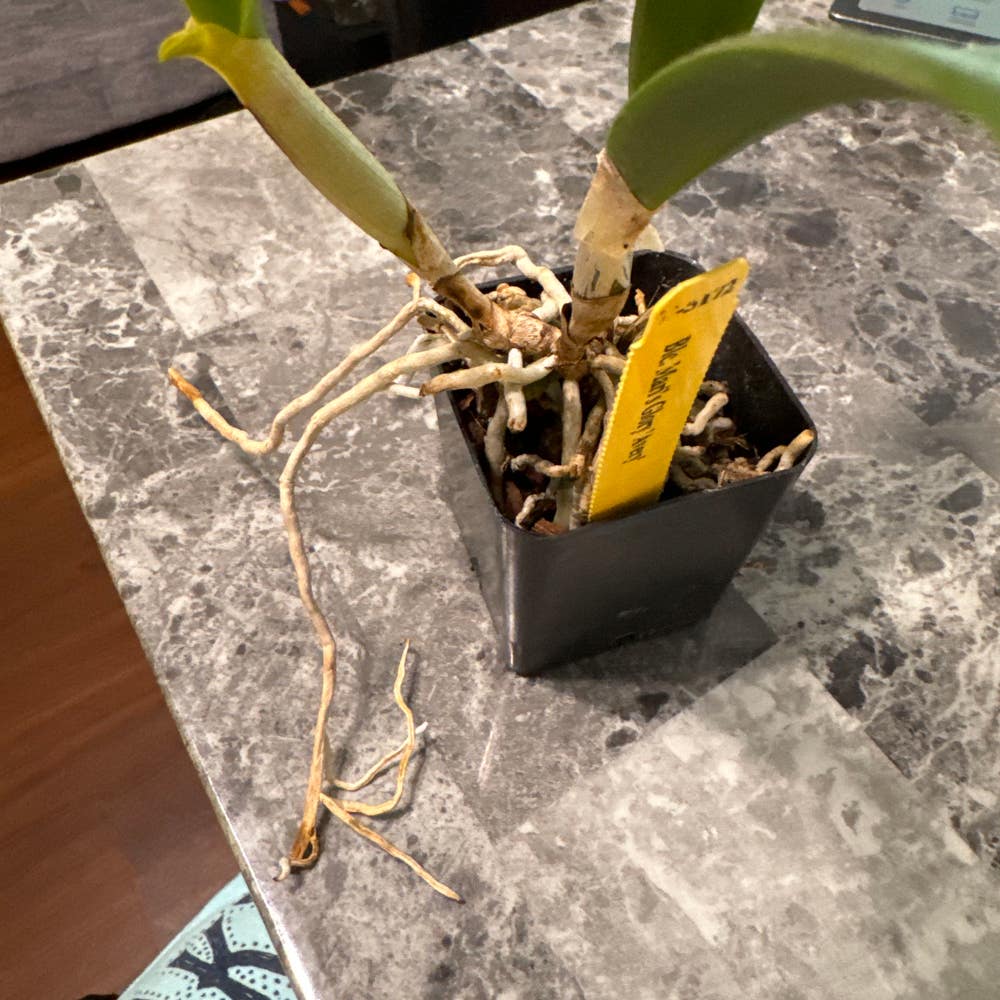
Why Are My Miltoniopsis phalaenopsis Leaves Curling?
Miltoniopsis phalaenopsis
By the Greg Editorial Team
Jun 18, 2024•4 min read
This article was created with the help of AI so we can cover more plants for you. May contain errors. See one? Report it here.
Solve your orchid's leaf-curl riddle 🌿 and unlock the secrets to a flourishing Miltoniopsis phalaenopsis!
- 🌡️ Keep 65°F-75°F and 40-60% humidity to prevent temperature and moisture-related curl.
- 💦🌞 Water and light balance: Moist soil and bright, indirect light keep leaves flat.
- 🐜🍄 Combat pests and diseases with rinsing, neem oil, or fungicides as needed.
When the Environment Gets Twisted
🌡️ Temperature Tantrums
Orchids are no fans of extreme temperatures, and Miltoniopsis phalaenopsis is no exception. Heat stress can cause leaves to curl as the plant struggles to retain moisture. Conversely, cold can slow growth, leading to a different kind of leaf curl.
- Keep it Cool: Maintain a steady temperature between 65°F and 75°F (18°C - 24°C) to avoid heat-induced curling.
- Avoid Chills: Protect your orchid from cold drafts and ensure the temperature doesn't plummet at night.
💦 Humidity and Hydration Havoc
The right humidity level is crucial for preventing leaf curl in orchids. Too little and the leaves dry out and curl; too much and you risk fungal issues.
- Humidity Sweet Spot: Aim for 40-60% humidity to keep leaves lush without inviting fungal gatecrashers.
- Hydration Balance: Water to keep the soil moist, but let it dry slightly between waterings to prevent root rot.
🌞 Light: Too Much or Too Little?
Lighting is a Goldilocks scenario for Miltoniopsis phalaenopsis. Too much light causes leaves to curl defensively, while too little leads to weak, stretched foliage.
- Bright but Indirect: Find a spot with bright, indirect light to prevent curling from excessive sun exposure.
- Adjust with Seasons: Rotate your orchid or adjust shading to accommodate the changing angle of the sun throughout the year.

Unwanted Guests: Pests and Diseases
🐜 Spotting the Culprits
Pests and diseases can turn your Miltoniopsis phalaenopsis into a leaf-curling horror show. Spider mites are sneaky, leaving fine webbing and a stippled look on leaves. Aphids are less subtle, clustering and leaving sticky honeydew. Both result in curled, distorted leaves. Fungal foes like Botrytis and powdery mildew leave spots or powdery residue. Poor air circulation and excess moisture are their playgrounds.
🦟 Fight Back: Treatment and Control
When pests throw a party on your orchid, it's time to crash it. A rinse can send spider mites and aphids packing. If they overstay their welcome, insecticidal soap or neem oil is your eviction notice. Fungal infections? Cut out the affected areas and apply a fungicide. But prevention is your best play—keep the air moving and the leaves dry. Quarantine new plants like they're the Typhoid Mary of the plant world.

The Watering and Feeding Finesse
💧 Water Woes: Over and Under
Overwatering turns your Miltoniopsis phalaenopsis' home into a swamp, leading to leaf curl as a cry for help. On the other end, underwatering leaves the soil bone-dry, causing leaves to crisp up in protest. The golden rule? Water when the top inch of soil feels like a well-wrung sponge—moist but not soggy.
🥗 A Balanced Diet for Your Orchid
Nutrient deficiencies can make your orchid's leaves curl up tighter than a yoga pose. Balanced fertilization is key; too much and you'll burn the tips, too little and growth stunts. Stick to a fertilizer schedule that's more like a regular meal plan than a feast-or-famine approach. Watch for signs of nutrient burn, like brown tips, and flush the soil if you've overdone it. Remember, less is often more when it comes to feeding your green companion.

Bouncing Back: Recovery and Prevention
🚑 Immediate Interventions
Act fast when you notice your Miltoniopsis phalaenopsis leaves curling. Check the soil moisture; water if dry, or allow to dry if soggy. If root rot is suspected, repot with fresh soil and trim any affected roots. For sunburn, move your orchid to a spot with indirect light. Immediate adjustments can prevent further damage and set the stage for recovery.
Long-Term Love and Care
Routine care is critical for your orchid's health. Inspect regularly for pests or diseases, especially under leaves and in crevices. Maintain a stable environment with consistent temperatures around 75°F by day and 65°F at night. Water when the roots turn silvery, and fertilize monthly with a diluted orchid fertilizer. By staying vigilant and adapting care as needed, you'll foster resilience in your Miltoniopsis phalaenopsis, ensuring it thrives long-term.
⚠️ Safety First
This content is for general information and may contain errors, omissions, or outdated details. It is not medical, veterinary advice, or an endorsement of therapeutic claims.
Always consult a qualified healthcare professional before using any plant as food, medicine, or supplement.
Never eat any plant (or feed one to pets) without confirming its identity with at least two trusted sources.
If you suspect poisoning, call Poison Control (800) 222-1222, the Pet Poison Helpline (800) 213-6680, or your local emergency service immediately.
Spotted an error? Please report it here.
Prevent leaf curl in your orchids by relying on Greg's custom alerts 🛎 to manage temperature, humidity, and watering, ensuring your blooms stay as flat and vibrant as they should be.