Best Soil for Miltoniopsis phalaenopsis
Miltoniopsis phalaenopsis
By the Greg Editorial Team
Jun 18, 2024•4 min read
This article was created with the help of AI so we can cover more plants for you. May contain errors. See one? Report it here.
Bloom like a pro with the ultimate soil mix for Miltoniopsis phalaenopsis! 🌱🌸
- Mold and musty smell mean too much moisture; your plant could be at risk.
- 🌱 Ideal soil mix: bark, charcoal, perlite, and sphagnum moss for health.
- Refresh soil when growth stalls or it dries out quickly for best results.
Spotting Trouble: Signs of Unhealthy Soil
💀 Visual and Olfactory Clues
Mold in your Miltoniopsis phalaenopsis soil is a no-go. A musty smell or fuzzy growth screams trouble. These signs indicate excessive moisture, which can harm your plant.
🌊 Texture and Drainage Issues
Soil should not feel like a wet sponge. If it does, it's time to adjust your watering habits or soil mix. Poor drainage can suffocate roots, leading to a distressed Miltoniopsis phalaenopsis.
🚨 Plant Symptoms
Yellowing leaves, stunted growth, and a general look of despair in your plant are cries for help. These symptoms often point to soil distress, whether it's compaction, poor drainage, or nutrient imbalance.

Commercial Soil Mixes: What to Look For
🌱 Key Ingredients for Miltoniopsis phalaenopsis
In the quest for the ideal commercial soil mix for your Miltoniopsis phalaenopsis, think Sherlock Holmes in a garden center. Your clues? Bark and charcoal. These aren't just fillers; they're the foundation of a mix that respects the delicate roots of your 'pansy orchid'.
💧 Moisture and Aeration Balance
The balance between moisture retention and aeration is like walking a tightrope. Too much water, and your orchid's roots are swimming; too little, and they're gasping for air. Look for the presence of perlite or pumice in the mix, which are akin to life vests for those roots, keeping them buoyant but not drenched.
📊 pH Levels and Nutrient Content
Finally, the pH level and nutrient content are the unsung heroes of the soil world. Your Miltoniopsis phalaenopsis doesn't want to be an acid-lover or a lime-lighter; it craves a neutral to slightly acidic pH. Check the label for this info, and while you're at it, ensure there's a smorgasbord of slow-release nutrients. Without them, you're sending your orchid to the prom without a corsage.

Crafting Your Own Miltoniopsis Magic Mix
🌱 The Base: Choosing the Right Components
Creating the foundation for your Miltoniopsis phalaenopsis begins with selecting the right components. Bark is essential, acting as the cornerstone for drainage and aeration. Perlite comes next, ensuring your mix doesn't suffocate those precious roots. Sphagnum moss is the moisture maestro, but remember, it can be a double-edged sword due to its quick decomposition rate. Alternatives? Consider fine-grade fir bark or coconut husk chips for longevity.
🌿 Getting the Mix Just Right
The secret sauce is in the ratios. A good starting point is a blend of 5 parts bark to 1 part perlite and 1 part sphagnum moss. Mix it like you mean it, ensuring even distribution for consistent moisture and air flow. If you're in a dry climate, top-dress with sphagnum moss to keep the pseudobulbs happy. For those who forget to repot, mix in 50% perlite with the sphagnum to prevent compaction.
🌱 Adjusting pH and Nutrients
Now, let's talk pH and nutrients. Miltoniopsis are like Goldilocks, they want things just right. Aim for a slightly acidic pH, and consider adding a dash of dolomitic lime to stabilize. Nutrients? A sprinkle of worm castings or a balanced orchid fertilizer will do. But don't go overboard; think of it as seasoning, not the main course. Keep it rich, but not so much that your orchid gets lazy.

Reviving and Refreshing Your Soil
🌱 When to Refresh: Timing and Signs
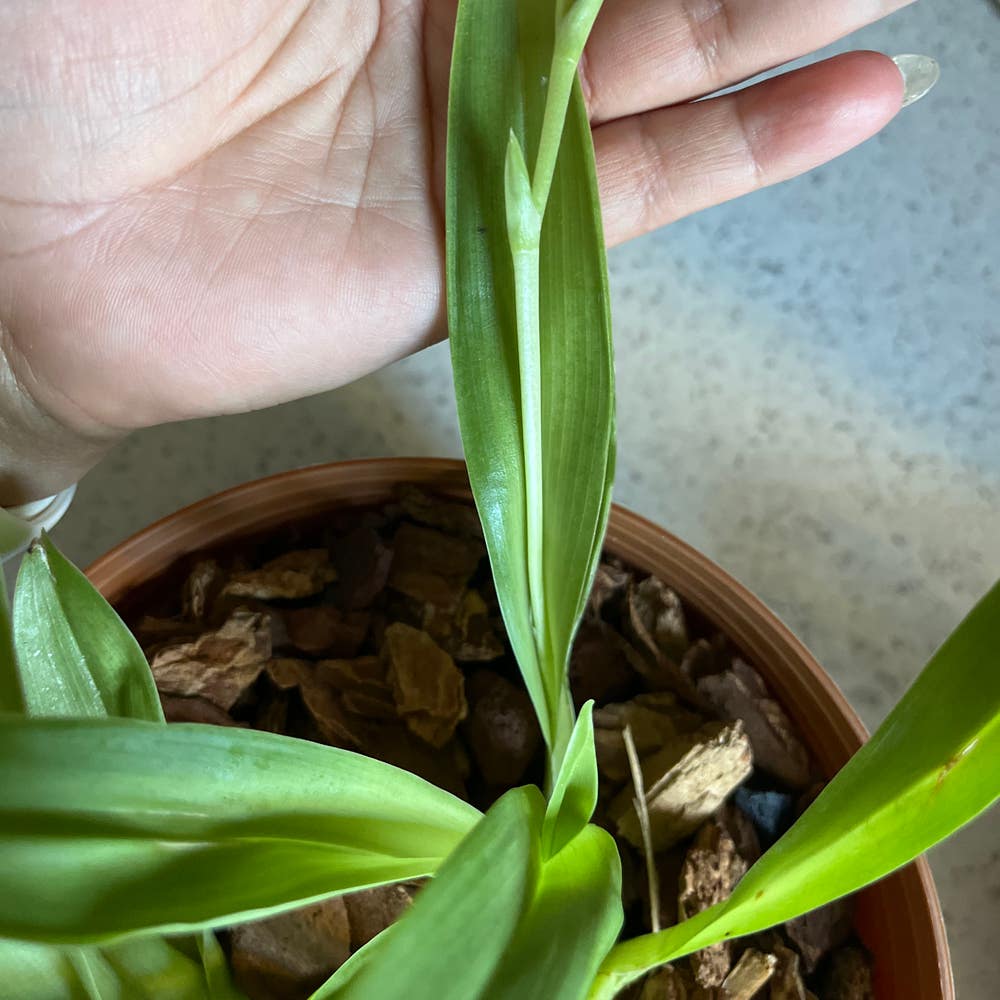
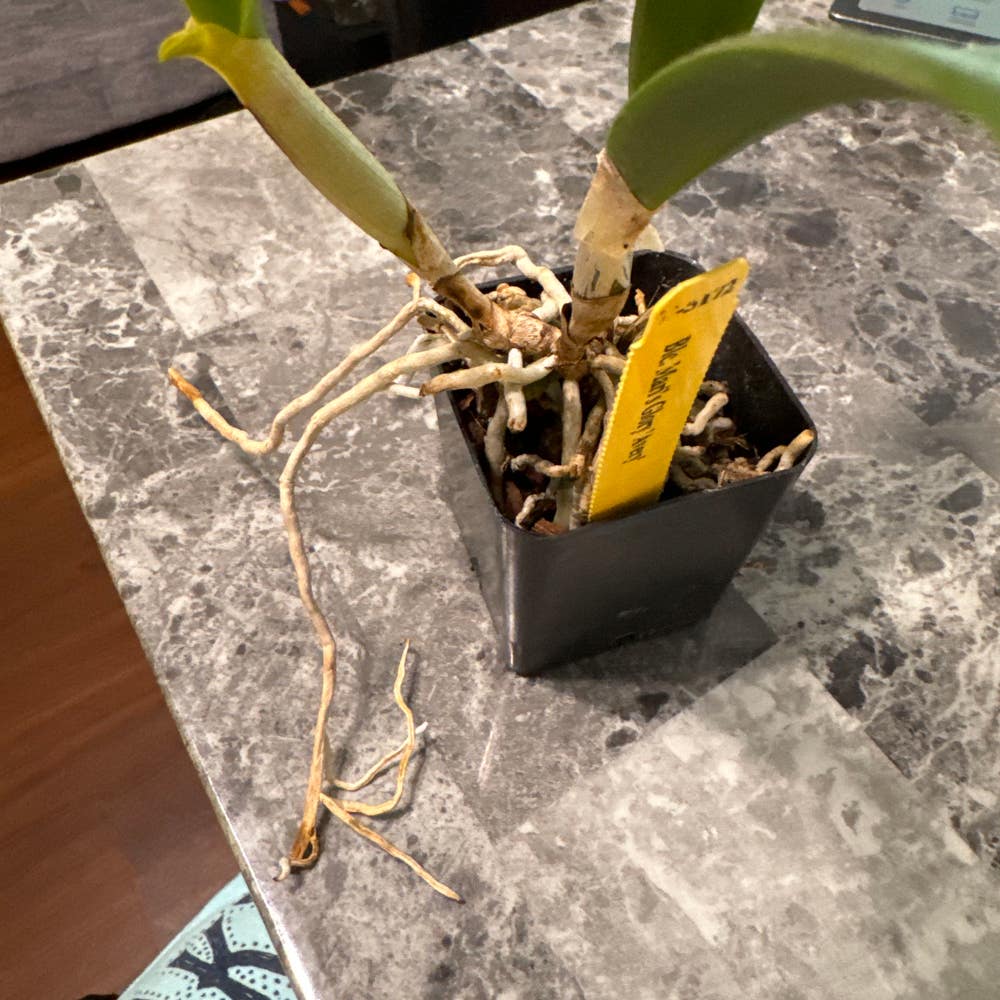
Miltoniopsis phalaenopsis, like a finicky eater, has specific soil needs. Refresh your soil when growth stalls or the mix dries out too quickly. If roots are more visible than soil, it's time for a change. Don't wait for a crisis; annual refreshes are a proactive step to keep your orchid happy.
🔄 Step-by-Step Soil Refresh
🛠 Preparing for the Refresh
- Choose a time when your plant is not in active bloom, ideally after flowering.
- Gather your materials: fresh soil mix, clean pot, and sterilized cutting tools.
🔄 The Refresh Process
- Remove the orchid gently from its pot, shaking off old soil.
- Inspect the roots, trimming any that are damaged or diseased.
- Clean the pot or grab a new one if upgrading in size.
- Layer fresh mix at the bottom, then position the plant, adding more mix around the roots.
- Water sparingly at first, then resume regular watering when new roots appear.
Remember, it's not just about survival; it's about giving your Miltoniopsis phalaenopsis the revival it deserves.
⚠️ Safety First
This content is for general information and may contain errors, omissions, or outdated details. It is not medical, veterinary advice, or an endorsement of therapeutic claims.
Always consult a qualified healthcare professional before using any plant as food, medicine, or supplement.
Never eat any plant (or feed one to pets) without confirming its identity with at least two trusted sources.
If you suspect poisoning, call Poison Control (800) 222-1222, the Pet Poison Helpline (800) 213-6680, or your local emergency service immediately.
Spotted an error? Please report it here.
With Greg, find the ideal soil moisture balance for your Miltoniopsis phalaenopsis and receive tailored reminders 🌱 to refresh the mix for peak orchid health.