Why Are My Miltoniopsis phalaenopsis Leaves Droopy?
Miltoniopsis phalaenopsis
By the Greg Editorial Team
Jun 18, 2024•4 min read
This article was created with the help of AI so we can cover more plants for you. May contain errors. See one? Report it here.
Perk up your orchid's droopy leaves 🍂 with proven care strategies for lasting vitality.
- Droopy leaves signal stress, but not all droop is bad—know the difference.
- Balance water and light to prevent and treat droopiness in orchids.
- Consistent care and monitoring are key to maintaining perky Miltoniopsis leaves.
Spotting the Signs: When Droopiness Becomes a Problem
🌿 Identifying Droopy Leaves in Miltoniopsis phalaenopsis
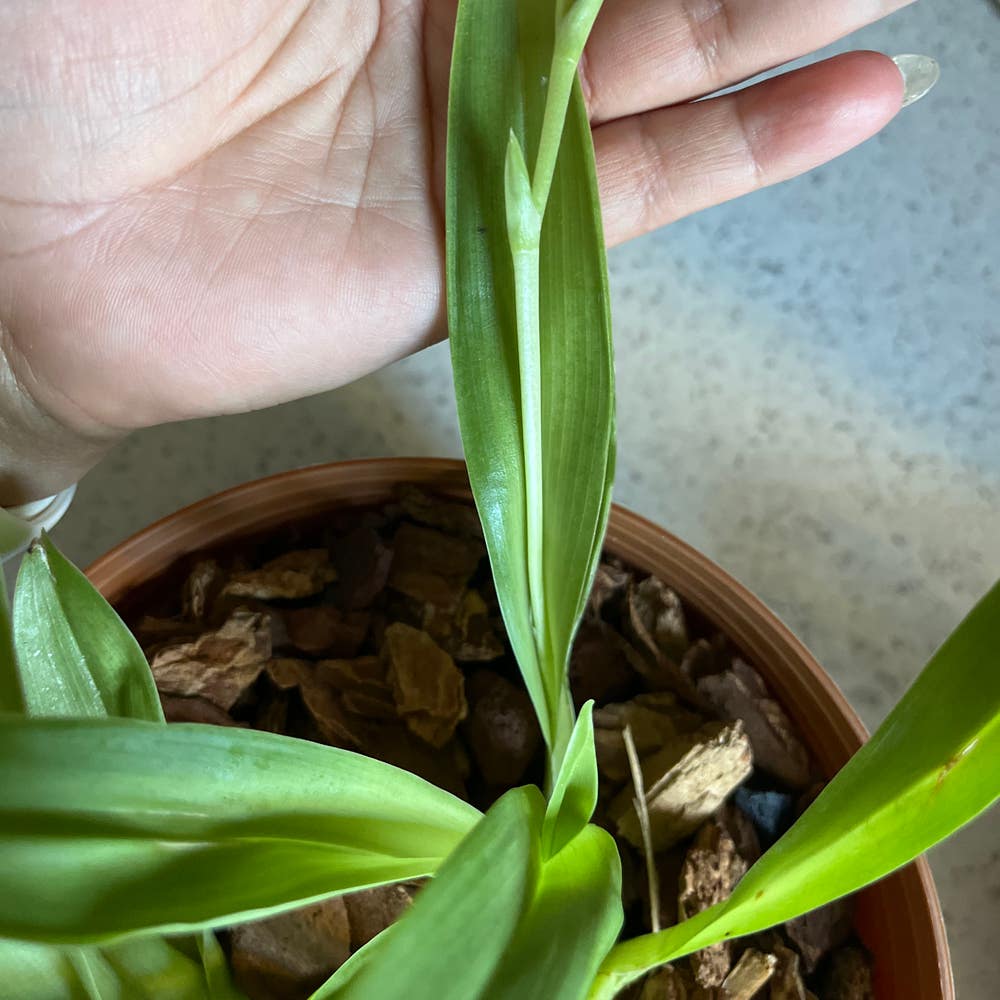
Miltoniopsis phalaenopsis orchids are known for their upright leaves, so when they start resembling a slouch, take note. A healthy leaf stands firm; a droopy one looks defeated. If your orchid's leaves are hanging down like they've lost all hope, it's a clear signal: your plant is stressed.
🍃 Differentiating Between Natural Droop and Problematic Droopiness
Not all droop spells disaster. Young leaves may naturally bend as they grow. But, if you see leaves that persistently sag or feel like a damp cloth, that's not just a phase—it's a red flag. Look for leaves that don't perk up after watering, or those that show a drastic change in texture or color. These are the troublemakers. If it's just the lower leaves drooping, they might be taking their final bow. But if it's a widespread slump, it's time to play plant detective.

The Usual Suspects: Pinpointing the Causes of Droopiness
💦 Overwatering Woes
Overwatering can turn your Miltoniopsis phalaenopsis into a soggy mess. Leaves become limp as the roots, drowning in excess water, fail to function properly. Yellowing leaves and a pot that feels unusually heavy are classic signs you've been too generous with the watering can.
🏜️ Thirsty Roots: The Underwatering Effect
On the flip side, droopy leaves might signal a cry for water. An underwatered orchid has leaves that resemble a deflated balloon and soil as dry as a bone. Look for brown leaf tips and stunted growth to confirm your plant is thirsting for a drink.
🌞 Light and Shadow: Finding the Sweet Spot
Lighting is like the orchid's personal trainer; it needs just the right amount to stay fit. Too much light leads to sunburn, while too little results in a weak, stretched-out plant. Aim for a location with bright, indirect light to keep those leaves standing at attention.
🌡️ Climate Control: Temperature and Humidity Factors
Miltoniopsis phalaenopsis despises the extremes. Leaves droop when the temperature is too hot or too cold and when humidity levels are off. Keep the environment between 55-75°F and humidity around 70-80% for optimal leaf perkiness.

First Aid for Foliage: Treating Droopy Leaves
💧 Fine-Tuning Watering Habits
Adjusting your watering routine is crucial for orchid recovery. If the top inch of soil feels dry, it's time to water. Use room-temperature water to avoid shocking the roots and ensure your pot has drainage holes to prevent waterlogging.
🌞 Light and Location: Making Environmental Adjustments
Place your orchid in a location with bright, indirect sunlight. Manage temperature and humidity to mimic the orchid's natural habitat; aim for daytime temperatures around 75°F and nighttime around 65°F for optimal leaf health.
🌱 Root Check: Unearthing the Hidden Problems
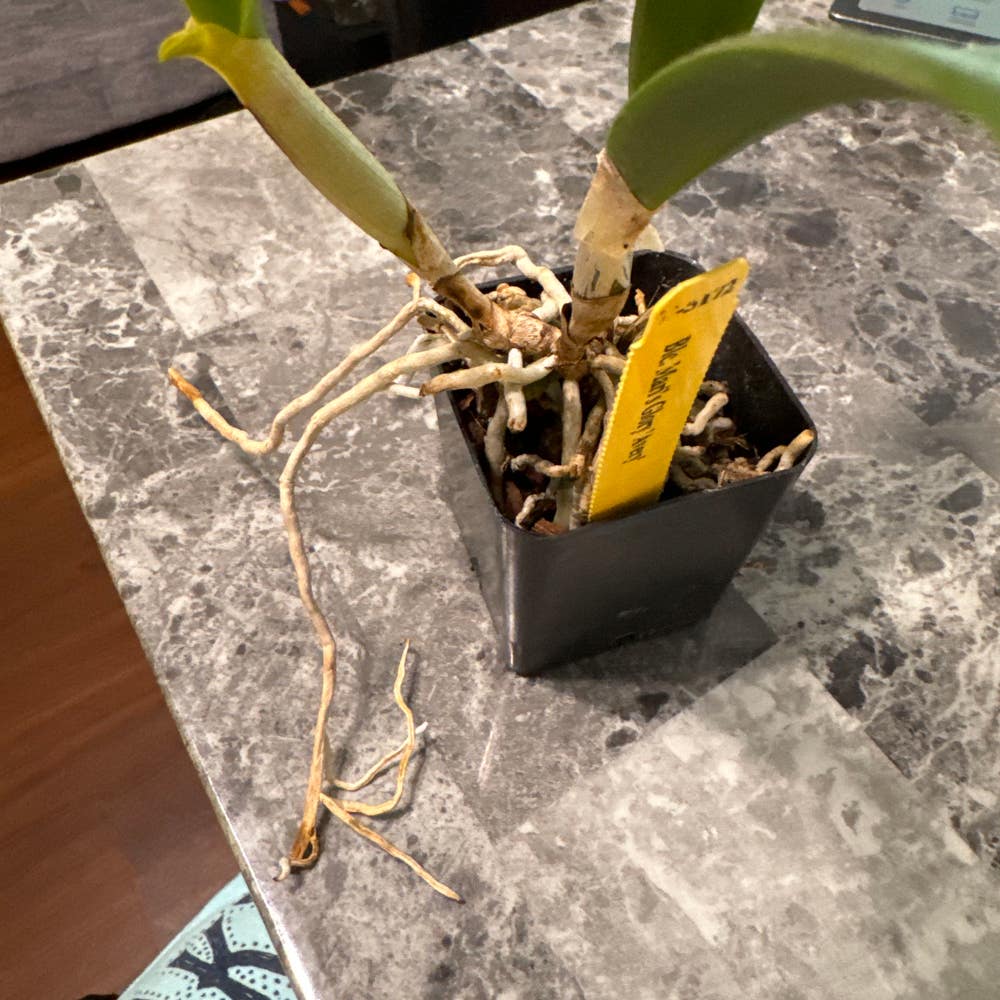
Inspecting roots should be done with care. Gently remove the orchid from its pot and look for signs of root rot or compaction. Trim any unhealthy roots with a sterilized blade and repot in fresh, well-draining mix. Regular root checks can prevent droopy leaves before they start.

Keeping Leaves Lively: Prevention Strategies
💪 Crafting a Consistent Care Schedule
Consistency in care is the backbone of orchid health. Establishing a routine isn't just about ticking boxes; it's about creating a stable environment where your Miltoniopsis phalaenopsis can thrive without the stress of unpredictability.
- Watering: Mark your calendar for regular check-ins with your orchid's soil moisture. It's less about a rigid schedule and more about adapting to the plant's needs, which can vary with the seasons.
- Feeding: Orchids aren't gluttons. A balanced fertilizer regimen, tailored to your plant's growth phase, keeps nutrients in check without going overboard.
- Pruning: Snip away the old to make way for the new. Keep those leaves and roots in prime condition by removing dead or damaged parts, but always with a gentle hand.
👀 Vigilant Monitoring: Keeping an Eye on the Environment
Your orchid's environment is a living, breathing thing. It changes, and so should your care strategy.
- Light: Rotate your plant regularly to ensure even exposure, preventing the "I'm leaning towards the light" syndrome. If sunlight is a scarce commodity, LED grow lights can be a game-changer.
- Humidity and Airflow: Aim for that sweet spot of humidity that mimics the orchid's natural habitat. Use a pebble tray or group plants to up the ante. And remember, good air circulation is like a breath of fresh air—it's vital.
- Temperature: Keep a close eye on the thermostat. Miltoniopsis phalaenopsis prefers a stable temperature range, so avoid those hot or cold drafts like you'd avoid spoilers for your favorite show.
By integrating these strategies into your routine, you're not just preventing droopy leaves; you're setting the stage for a flourishing Miltoniopsis phalaenopsis.
⚠️ Safety First
This content is for general information and may contain errors, omissions, or outdated details. It is not medical, veterinary advice, or an endorsement of therapeutic claims.
Always consult a qualified healthcare professional before using any plant as food, medicine, or supplement.
Never eat any plant (or feed one to pets) without confirming its identity with at least two trusted sources.
If you suspect poisoning, call Poison Control (800) 222-1222, the Pet Poison Helpline (800) 213-6680, or your local emergency service immediately.
Spotted an error? Please report it here.
Ensure your Miltoniopsis phalaenopsis thrives with perky leaves 🌿 by leveraging Greg's custom care reminders and precise environmental tracking.