🌞 Is Direct Sunlight Good for My Miltoniopsis phalaenopsis?
Miltoniopsis phalaenopsis
By the Greg Editorial Team
Jun 18, 2024•4 min read
This article was created with the help of AI so we can cover more plants for you. May contain errors. See one? Report it here.
Learn why direct sunlight matters for your Miltoniopsis phalaenopsis's health and bloom. 🌞🌱
- Direct sunlight harms Miltoniopsis phalaenopsis, opt for indirect light.
- 🌿 Leaf color reveals sunlight suitability; yellow or crispy leaves signal distress.
- Window direction matters; north or east-facing windows are best for gentle light.
Sunlight Simplified: What Does Direct Sunlight Really Mean?
🌞 Breaking Down Direct vs. Indirect Sunlight
Direct sunlight is the unfiltered solar energy that reaches a plant without any barriers. It's the intense light that casts sharp shadows and can be both a blessing and a curse for plants, depending on their specific needs. Indirect sunlight, by contrast, is the gentler, diffused light that plants receive when the sun's rays are softened by clouds, curtains, or bouncing off surfaces.
🌱 How Plants Feel the Burn (or Love) from Direct Sunlight
Plants have a complex relationship with direct sunlight. While some thrive under its powerful rays, others may wilt or burn if exposed for too long. It's crucial to understand your plant's preferences to avoid the crispy leaf syndrome. Direct sunlight can be a plant's best friend, but only if it's the right amount—too much can lead to sunburn, while too little can stunt growth and vitality.

Miltoniopsis phalaenopsis and the Sun: A Love-Hate Relationship?
🌿 Natural Habitat Clues: What the Orchid's Origins Tell Us
Miltoniopsis phalaenopsis, the pansy orchid, hails from the cool, shady underbrush of South American forests. Not a sunbather by nature, this orchid thrives in dappled light, mimicking the filtered sunlight of its native habitat.
🍃 Leafy Tells: Understanding the Plant's Sunlight Language
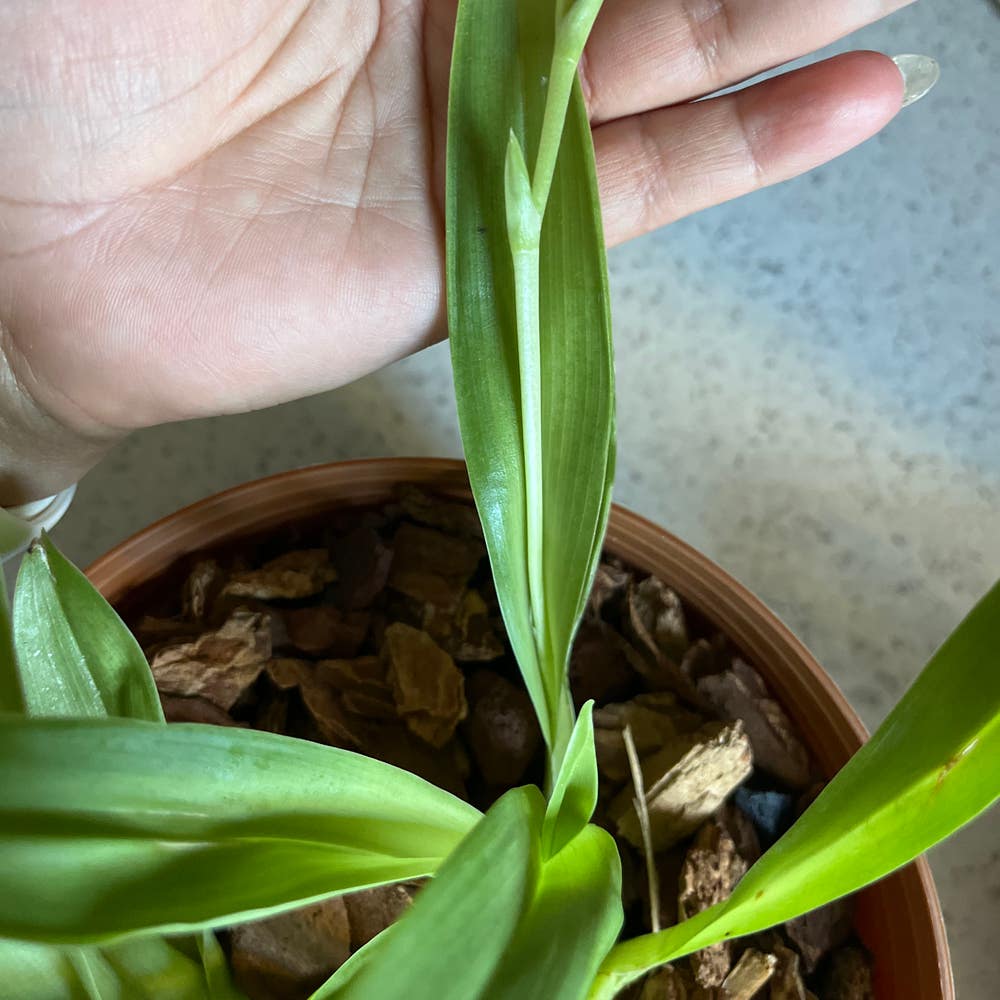
The leaves of your Miltoniopsis are like mood rings, changing color to communicate. Bright green? You've hit the sweet spot. Yellowing leaves scream, "Turn down the lumens!" And if you spot brown, crispy tips, it's an SOS for shade—stat!
🌞 The Verdict: How Much Sun is Too Much?
Here's the skinny: direct sunlight is a no-go. A Miltoniopsis phalaenopsis can handle a smidge of morning sun but prefers life in the indirect light lane. Aim for that golden 1,200 to 2,000 foot-candles range, and you'll keep those blooms coming.

Through the Window: Direction Matters
⛅️ Window Whys: North, South, East, or West?
Your Miltoniopsis phalaenopsis is a bit of a diva when it comes to sunlight, and window direction is its talent agent. North-facing windows? They're the underdogs, offering a steady stream of indirect light that won't leave your orchid reaching for the aloe vera. East-facing windows bring in the morning vibes—gentle and refreshing, perfect for a soft start. West-facing windows? They pack a punch with intense afternoon rays, so you might need to play defense with some sheer curtains. And south-facing windows—the solar powerhouses—can be too much of a good thing without some savvy shading.
🌍 Hemisphere Hints: How Your Location Changes the Game
Location, location, location—it's not just real estate; it's a plant's ticket to thriving. If you're chilling in the Northern Hemisphere, a south-facing window is your go-to for that sweet spot of light. Flip the script in the Southern Hemisphere, and it's the north-facing windows that are the MVPs. But remember, with great light comes great responsibility—too much direct sun can turn your orchid's leaves into crispy critters. Keep an eye on the sky and shuffle your plant with the seasons; your Miltoniopsis phalaenopsis will thank you with blooms that'll make the neighbors jealous.

Keeping Your Miltoniopsis phalaenopsis Happy in the Sun
🕶️ Shielding Strategies: When and How to Filter the Sun
Miltoniopsis phalaenopsis, with its delicate leaves, is a bit of a diva when it comes to sunlight. Direct sun? A definite no-go. To keep your orchid from throwing a fit, use sheer curtains or blinds as a buffer. Think of them as sunglasses for your plant, softening the harsh rays to a gentle glow.
For those who love gadgets, a light meter can be your best friend. It'll tell you when your plant's basking in the sweet spot of 1,200 to 2,000 foot-candles, depending on whether it's a cool or warm grower.
Signs of Sun Stress: What to Watch Out For
Leaves don't lie. If they start looking like overcooked spinach—crispy and brown—that's your cue. Your Miltoniopsis is screaming for shade.
Yellowing leaves are another distress signal. It's your orchid's way of saying, "I've had too much of a good thing." Pay attention to these visual cues; they're more reliable than any care label.
Sun Alternatives: Finding the Right Light Balance
If your window isn't cutting it, consider grow lights. They're like a personal sun for your orchid, minus the risk of sunburn. Just remember, distance matters. Too close and you'll fry the leaves; too far and your Miltoniopsis might as well be in a cave.
Winter can be a gloomy time, but it doesn't mean your orchid should suffer. A well-placed grow light can mimic those summer vibes without the heat. It's all about creating a cozy, not toasty, environment for your green buddy.
⚠️ Safety First
This content is for general information and may contain errors, omissions, or outdated details. It is not medical, veterinary advice, or an endorsement of therapeutic claims.
Always consult a qualified healthcare professional before using any plant as food, medicine, or supplement.
Never eat any plant (or feed one to pets) without confirming its identity with at least two trusted sources.
If you suspect poisoning, call Poison Control (800) 222-1222, the Pet Poison Helpline (800) 213-6680, or your local emergency service immediately.
Spotted an error? Please report it here.
Keep your pansy orchid perfectly pampered 🌱 with Greg's PlantVision, ensuring it gets just the right amount of indirect light and never suffers from the sun's scorch.