How to Know When to Repot a Miltoniopsis phalaenopsis?
Miltoniopsis phalaenopsis
By the Greg Editorial Team
Jun 18, 2024•4 min read
This article was created with the help of AI so we can cover more plants for you. May contain errors. See one? Report it here.
Discover the secret to a flourishing orchid 🌸 by nailing the timing and technique of repotting your Miltoniopsis phalaenopsis.
- Overcrowded roots and yellow leaves signal it's repotting time.
- 🌱 Spring repotting aligns with orchids' natural growth spurt.
- Choose breathable pots like terracotta; avoid metal and glass.
Spotting the Telltale Signs for Repotting
🌱 Root Rundown: How to Check for Overcrowded Roots
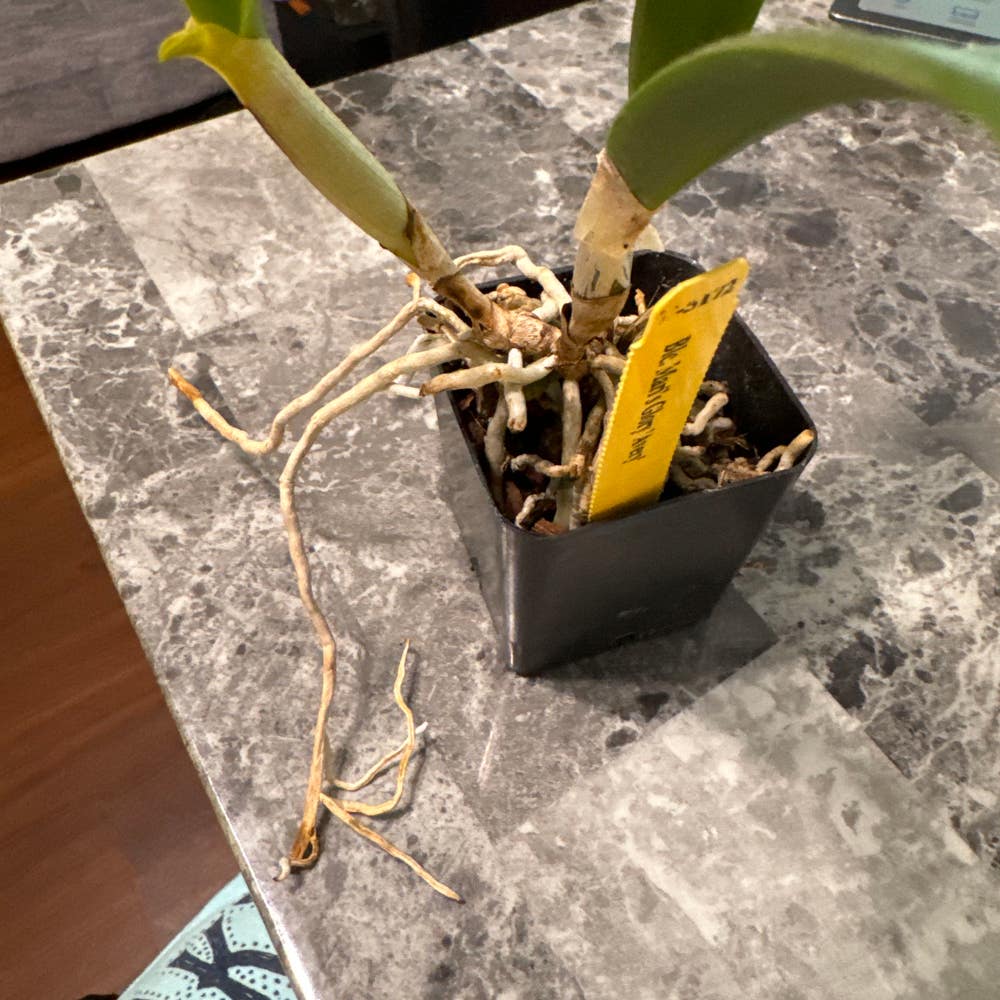
Overcrowded roots are the orchid's cry for help. If roots are spilling out like unruly party guests, it's time for a new venue. Check for roots that are more exposed than a celebrity's private life, climbing over the pot's edge or poking through drainage holes.
🩺 Health Check: Recognizing Declining Health as a Repot Cue
Yellow leaves? They're not trying to keep up with autumn trends; they're screaming for nutrients. If your orchid's leaves droop more than a teenager's shoulders on chore day, consider repotting. And if the potting mix smells like it's fermenting its own craft beer, that's a definite no-go.
📅 Seasonal Smarts: Best Times of Year to Repot Your Orchid
Timing is everything—repot when your orchid isn't blooming to avoid a floral fiasco. Spring offers a growth spurt, making it the prime time for repotting. Avoid the cold shoulder of winter; your orchid's roots won't appreciate the chill.

The Repotting Rundown
🌱 Prep Work: Choosing the right pot and potting mix
Size matters when selecting a new pot for your Miltoniopsis phalaenopsis. Opt for one that's just a couple of inches larger in diameter than the old one—roots need room to breathe but don't drown them in space. As for the potting mix, think medium-sized particles; they're the sweet spot for orchids. Cleanliness is non-negotiable: sterilize your pot and tools to ward off any unwelcome microscopic hitchhikers.
🛠 The Gentle Unpotting: Safely removing your orchid
When it's time to unpot, channel your inner surgeon—gentle and precise. Loosen the roots with care, avoiding any unnecessary tugs that could lead to tears. If the roots are clinging on like there's no tomorrow, a soak in tepid water can help ease the separation anxiety.
🌿 Root TLC: Inspecting and pruning roots before repotting
Root inspection is like a health check-up; snip away the dead and dying with sterilized shears. Healthy roots are your orchid's lifeline—treat them with respect. Untangle the living roots, but don't get carried away; a little twist is natural.
🏡 Homecoming: Nestling your orchid in its new pot
Time to tuck your orchid into its new abode. Hold it steady, spread the roots, and sprinkle in the potting mix. No tight packing—roots enjoy a bit of wiggle room. Ensure the plant is stable but not strangled by the soil. A thorough watering seals the deal, marking the beginning of a new chapter in your orchid's life.

Choosing the Best Pot for Your Miltoniopsis
🌱 Breathability and Drainage
Terracotta and unglazed ceramic pots are the MVPs for your Miltoniopsis. Their porous nature wicks away excess moisture, reducing the risk of root rot. They're like a breathable workout gear for your orchid's roots. However, they're on the heavier side and can chip or crack if you're not careful.
🎈 Lightweight and Durable
Plastic pots are the convenience kings: lightweight, easy to shuffle around, and won't shatter if they take a tumble. They retain moisture longer, which can be a boon or a bane. Overwatering? Not a problem. But if you're the forgetful type, your Miltoniopsis might not appreciate the extended pool party at its roots.
🌿 Natural Vibes
Wooden baskets can give your orchid a breezy, natural home, promoting excellent air circulation. Just remember, they'll dry out faster, so you'll need to stay on top of watering. And they might not win any beauty contests as they age and weather.
🚫 No-Gos
Metal pots? Nope. They're like mini ovens or freezers, depending on the weather. And glass pots are a hard pass—zero breathability and often lacking drainage holes. It's like putting your orchid in a fishbowl—pretty to look at but not so great for living in.

Aftercare: Helping Your Orchid Settle In
💧 The First Water
Wait a day or two post-repotting before watering to let any damaged roots heal. When you do water, make it count—thoroughly drench the potting mix, ensuring excess water drains freely. This is crucial for encouraging new root growth and acclimatization.
🌞 Location, Location, Location
Find a spot for your Miltoniopsis phalaenopsis that's just right—bright, indirect light and stable temperatures are key. Avoid direct sunlight like you'd avoid spoilers for the season finale of your favorite show. It's all about that sweet spot where your orchid can bask in light without getting a sunburn.
👀 Monitoring and Maintenance
Keep a close eye on your orchid like it's a plot twist in a thriller novel. Look for signs of distress such as wilting or yellowing leaves. Resist the urge to fertilize; let the plant settle first. Adjust watering based on the potting medium's dryness—overwatering is the enemy. Remember, your orchid's comfort zone is a stable environment, not a roller coaster of temperature swings.
⚠️ Safety First
This content is for general information and may contain errors, omissions, or outdated details. It is not medical, veterinary advice, or an endorsement of therapeutic claims.
Always consult a qualified healthcare professional before using any plant as food, medicine, or supplement.
Never eat any plant (or feed one to pets) without confirming its identity with at least two trusted sources.
If you suspect poisoning, call Poison Control (800) 222-1222, the Pet Poison Helpline (800) 213-6680, or your local emergency service immediately.
Spotted an error? Please report it here.
Revitalize your Miltoniopsis phalaenopsis with a timely spring repot 🌸, and let Greg track your orchid's post-repotting needs for a seamless transition to its new pot.