🌸 What Does It Mean When Miltoniopsis phalaenopsis Blooms?
Miltoniopsis phalaenopsis
By the Greg Editorial Team
Jun 18, 2024•4 min read
This article was created with the help of AI so we can cover more plants for you. May contain errors. See one? Report it here.
Unveil the bloom secrets of Miltoniopsis phalaenopsis and elevate your orchid game to pro levels! 🌸🏆
- 🌱 Maturity is essential for Miltoniopsis phalaenopsis to bloom.
- 💡 Bright, indirect light and cool nights trigger blooming.
- 🌺 Proper feeding with potassium enhances bloom vigor and endurance.
When and Why Your Miltoniopsis phalaenopsis Blooms
🌸 Recognizing the Signs of an Upcoming Bloom
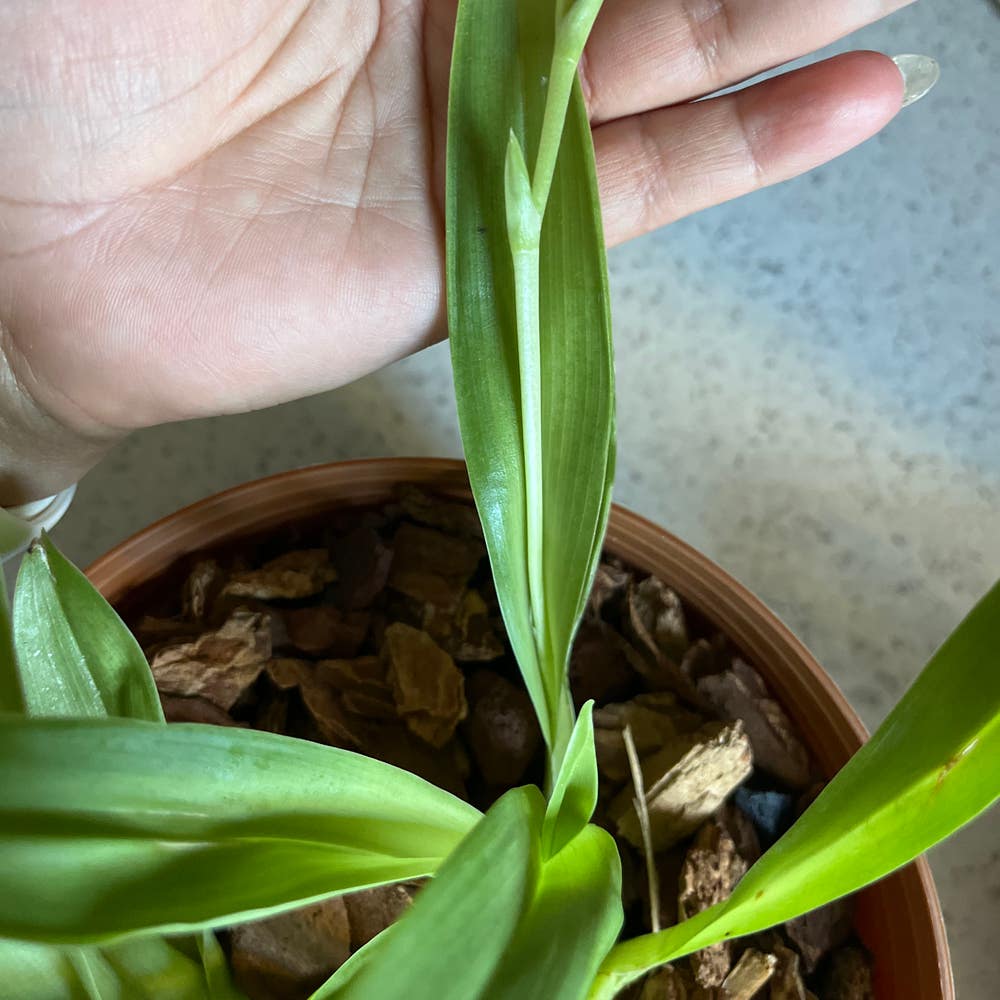
Miltoniopsis phalaenopsis, the orchid with the allure of a Phalaenopsis, signals its readiness to bloom with new growth and bud formation. These visual cues are your green light to expect a floral display. The journey from bud to full bloom is a gradual unfurling, typically late summer to fall.
🌱 The Role of Plant Maturity in Blooming
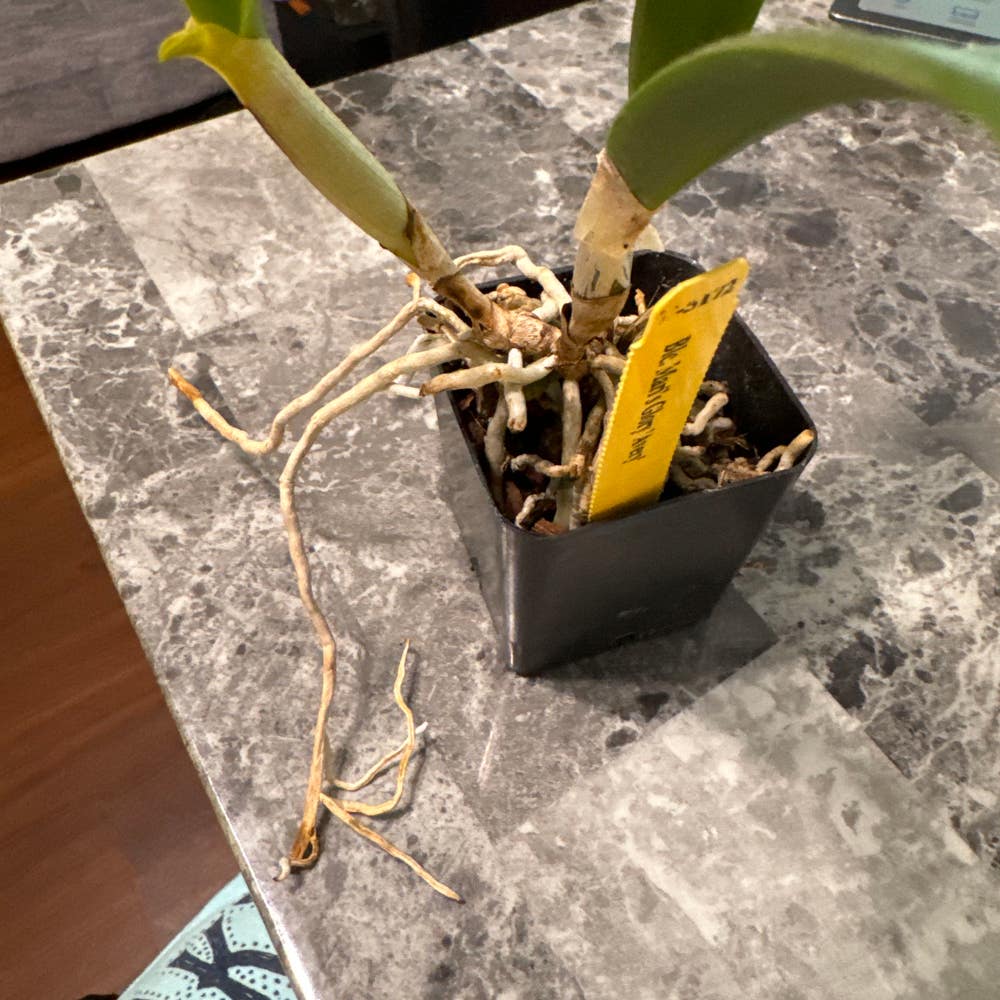
Age matters for your Miltoniopsis phalaenopsis to strut its stuff. It won't debut its flowers until it has reached a certain stage of growth, a plant's rite of passage. Look for signs of maturity, like a robust root system and multiple leaf spans. If your plant is still in its juvenile phase, patience is key—it's not quite ready for the floral prom.

Tailoring the Environment for Perfect Blooms
💡 Lighting the Way to Spectacular Flowers
Bright, indirect light is the puppeteer of the Miltoniopsis phalaenopsis blooming dance. Too much sun, and you're left with a crispy critter; too little, and it's like your orchid's stuck in a cave—no energy for showtime. Aim to mimic the dappled sunlight of its natural habitat, but without the sunburn. Rotate your plant regularly to avoid a lopsided growth tragedy.
🌡️ Temperature: The Secret Ingredient for Triggering Blooms
Temperature plays a game of hot and cold with your Miltoniopsis phalaenopsis. Consistency is key—avoid the drama of temperature swings. Day and night temperature differences are like a secret handshake that tells your orchid it's time to bloom. Use a thermometer to keep tabs on the climate, and remember, your plant doesn't appreciate drafty windows or heat-emitting appliances any more than you do.
💨 Humidity and Airflow: Creating a Tropical Haven
Humidity is the unsung hero in the world of orchids. Too dry, and your Miltoniopsis phalaenopsis might throw a fit; too moist, and you're in a fungal horror story. Aim for that tropical sweet spot with a pebble tray or a humidifier—especially during those parched winter months. And don't forget airflow; it's like the breath of life for those blooms. A fan can keep the air moving without turning your plant into a windblown mess.

Feeding Your Miltoniopsis phalaenopsis for Fabulous Flowers
💐 The Fertilizer Formula: What to Feed When Aiming for Blooms
To coax your Miltoniopsis phalaenopsis into spectacular bloom, a precise feeding regimen is key. During active growth, weekly fertilization at 1/4 to 1/2 the recommended orchid fertilizer dose does the trick. Opt for a nitrogen-rich mix, like a 30-10-10, to support lush foliage. But when you're gunning for flowers, switch gears. Every 3-4 weeks, introduce a fertilizer with less nitrogen and more phosphorus (think 10-20-10) to encourage those coveted blooms.
🌸 Potassium: The Bloom Booster
Potassium is your secret weapon for robust blooms. It's like a health tonic for your orchid, bolstering its overall vigor and bloom endurance. Integrate a potassium-fortified feed into your routine, especially pre-bloom, to set the stage for a floral showstopper. Remember, balance is everything—too much can lead to fertilizer burn, so keep a watchful eye on your plant's response.

Overcoming Bloom Blockers: Troubleshooting Tips
🌞 Spotting and Solving Common Bloom Hurdles
Insufficient light can turn your Miltoniopsis phalaenopsis into a bloom-shy wallflower. It's a balancing act – too little light and the plant won't bloom; too much and you risk leaf burn. Aim for bright, indirect light to hit the sweet spot.
Temperature missteps are like social faux pas for your orchid – awkward and bloom-preventing. Consistent temperatures with a slight drop at night mimic the orchid's natural environment and encourage flowering.
Nutrition is key, but overfeeding is the equivalent of stuffing your plant with junk food. Use a balanced fertilizer sparingly to promote blooms without overindulging the foliage.
💡 Pro Tips for Persuading Reluctant Bloomers
If your Miltoniopsis phalaenopsis still won't bloom, it might need a nudge. Consider grow lights if your home is on the darker side, ensuring your plant gets the light it craves without the scorch.
Airflow and humidity are like the orchid's personal spa conditions. Too stagnant and you invite fungal guests; too dry and the blooms won't set. Strike a balance with a fan and humidifier to create that tropical haven.
Pruning isn't just for aesthetics. Snip away old growth to redirect your plant's energy to potential blooms. It's like telling your plant, "Hey, focus on the flowers!"
Lastly, if your plant is still giving you the cold shoulder, it might just be a patience game. Plants, like people, need time to mature. Don't rush it – good things come to those who wait.
⚠️ Safety First
This content is for general information and may contain errors, omissions, or outdated details. It is not medical, veterinary advice, or an endorsement of therapeutic claims.
Always consult a qualified healthcare professional before using any plant as food, medicine, or supplement.
Never eat any plant (or feed one to pets) without confirming its identity with at least two trusted sources.
If you suspect poisoning, call Poison Control (800) 222-1222, the Pet Poison Helpline (800) 213-6680, or your local emergency service immediately.
Spotted an error? Please report it here.
Watch your Miltoniopsis phalaenopsis thrive 🌸 with Greg's tailored reminders for light, temperature, and feeding, ensuring your patience pays off with spectacular blooms!