💧 Why Are My Miltoniopsis phalaenopsis Leaves Mushy?
Miltoniopsis phalaenopsis
By the Greg Editorial Team
Jun 18, 2024•5 min read
This article was created with the help of AI so we can cover more plants for you. May contain errors. See one? Report it here.
Prevent orchid heartache 🌸 by nipping mushy leaves in the bud with these expert tips!
- Overwatering leads to mushy leaves, signaling root rot or disease.
- Black roots and bad smell indicate severe root rot.
- 🌬️💧 Proper watering and airflow prevent future mushiness.
Spotting the Trouble: Signs Your Miltoniopsis phalaenopsis Has Mushy Leaves
🌿 Visual Cues: Identifying Mushy Leaves by Appearance
Discoloration is a telltale sign of distress in Miltoniopsis phalaenopsis leaves. If you notice a shift from healthy green to a dull yellow or brown, it's time for concern. Leaves that look defeated, lacking their usual vigor, are signaling an issue.
🖐️ Touch and Tell: How the Leaves Should Feel and When to Worry
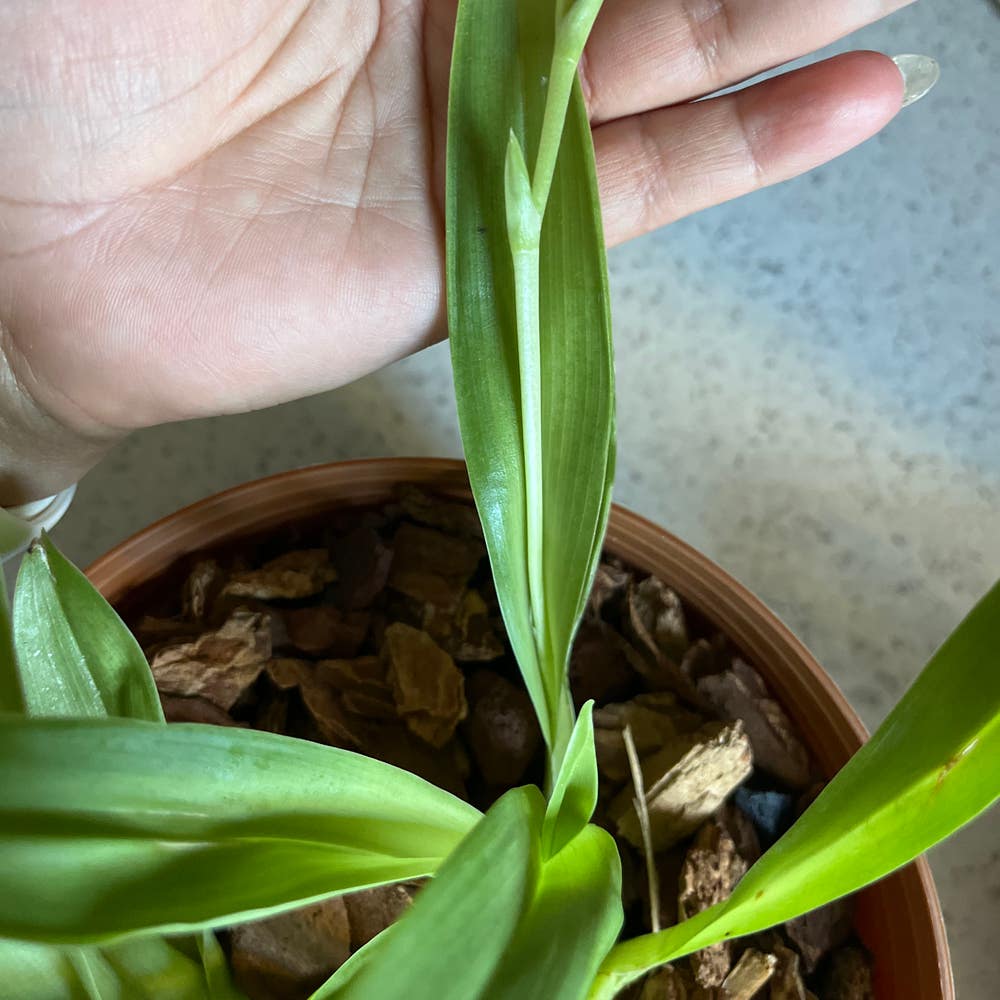
A healthy Miltoniopsis phalaenopsis leaf should have a certain resilience. If the leaf collapses under slight pressure or feels like a squishy pillow, it's a red flag. The texture of a mushy leaf is unmistakable – it's like the plant equivalent of a damp sponge. This isn't just about aesthetics; it's a symptom of potential root rot or disease. If the leaves of your orchid feel more like a soggy paper towel than a crisp piece of fresh produce, it's intervention time.

The Usual Suspects: Pinpointing the Causes of Mushiness
🌊 Too Much Love: The Perils of Overwatering
Overwatering is the silent killer in the plant world, often mistaken for generosity. It's a common misstep that transforms robust Miltoniopsis phalaenopsis leaves into a mushy disaster. The soil should be moist, not a waterlogged swamp that chokes the life out of your orchid's roots.
🦠 Root Rot: When Water is Too Much of a Good Thing
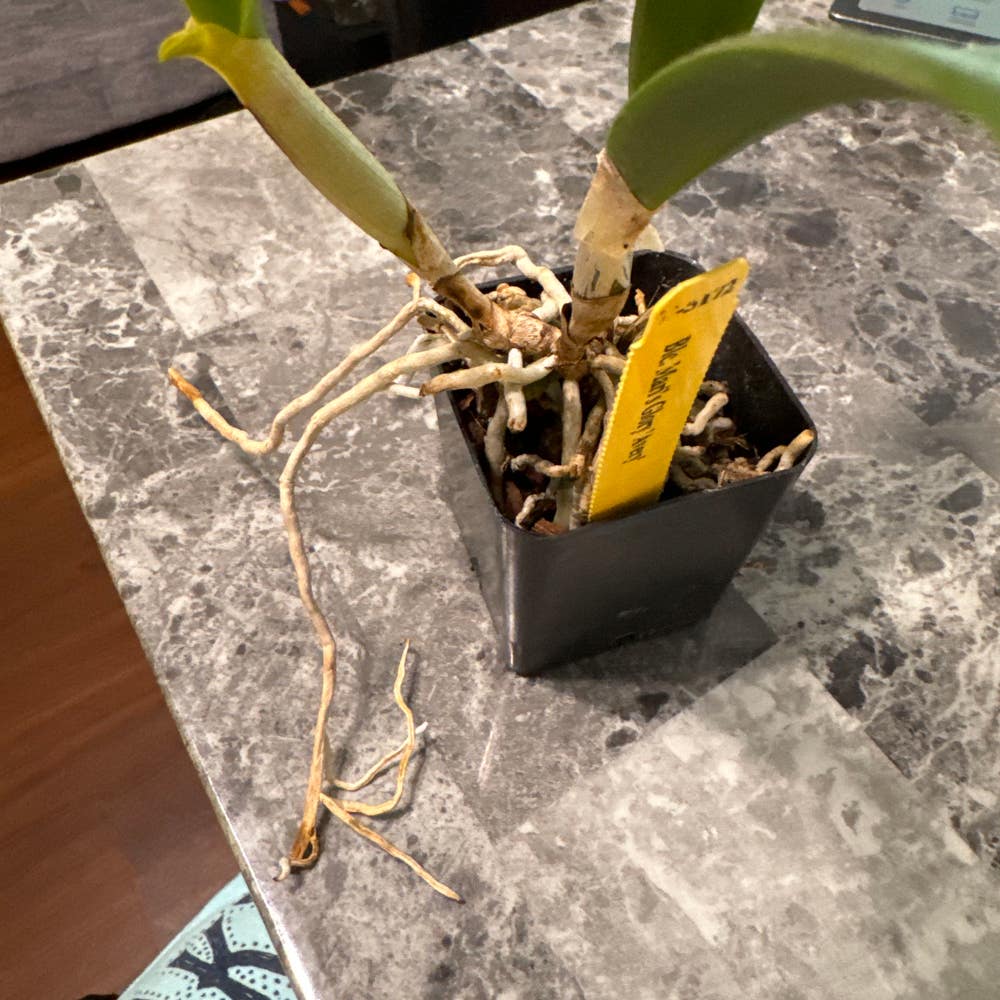
Root rot is what you get when kindness turns cruel. Blackened roots and a stench of decay are the SOS signals from your orchid. It's a clear sign that the roots, which should be a healthy white, are now casualties of overzealous watering.
Spotting the Signs of Disease: Symptoms to Watch For
Keep an eye out for yellowing leaves that droop or detach too easily, a clear cry for help. If the soil's aroma reminds you of a damp, forgotten basement, it's time to reassess your watering habits. Remember, a heavy pot could mean you're overdoing it with the H2O.
🍄 Unwanted Guests: Fungal and Bacterial Culprits
Fungi and bacteria throw a rave in the soggy conditions created by overwatering. These uninvited guests thrive in moisture, turning your orchid's leaves into mush. Look for brown spots or a general appearance of despair in your plant, signaling the party's already in full swing.
Spotting the Signs of Disease: Symptoms to Watch For
If your orchid's leaves feel like a soggy paper towel and the roots look like they belong in a horror flick, it's intervention time. Don't ignore leaves that fall off at a touch or roots that smell like they're up to no good. And don't forget, good airflow can shut down the fungal fiesta before it starts.

First Aid for Your Orchid: Treating Mushy Leaves
💧 Drying Out: Adjusting Your Watering Routine
Overwatering is often the root of mushy leaf syndrome in Miltoniopsis phalaenopsis orchids. To remedy this, reduce watering immediately. Only water when the potting medium is dry to the touch, ensuring that water flows freely through the drainage holes. This will mimic the natural dry spells these orchids experience in their native habitats.
🌱 Soil and Drainage: Ensuring the Right Environment for Recovery
A well-draining potting mix is crucial. Consider a blend of bark, perlite, and charcoal to provide adequate aeration. Ensure the pot has drainage holes; they're as essential as an escape route during a fire drill. If the mix stays soggy, it's time for a change.
🦠 Kicking Out the Intruders: Dealing with Pathogens
When fungi or bacteria make themselves at home, it's eviction time. Fungicides and bactericides are your allies here. Choose products suitable for orchids and apply them according to the label—no winging it. This isn't the time for improvisation.
🛡️ Choosing Your Weapons: Fungicides and Bactericides That Can Help
Opt for a copper-based fungicide for a broad-spectrum approach. If you're dealing with a specific pathogen, select a targeted treatment. Always use these products in well-ventilated areas and keep them away from pets and children. Remember, the label is law—follow it to a T.

Keeping It Firm: Preventative Measures for Healthy Leaves
💧 Watering Wisdom: Best Practices for Hydration without Harm
Watering your Miltoniopsis phalaenopsis orchid is less about sticking to a rigid schedule and more about observing and responding to its needs. Check the potting media before watering; it should feel dry an inch down. Overwatering is a common misstep, so ensure the soil has a chance to dry out between waterings to prevent root rot.
🏜️ The Dry Spell: Allowing Soil to Dry Between Waterings
It's crucial to let the soil go through a dry spell to encourage healthy root growth. Roots need to breathe and seek out moisture to strengthen. This practice also helps stave off the mushiness you're trying to avoid.
🏡 Creating the Perfect Home: Environmental Tweaks to Ward Off Trouble
Your orchid doesn't need to live in a bubble, but it does crave a stable environment. Humidity should be consistent, mimicking a mild spring day. Use a pebble tray or group plants to naturally increase humidity. Remember, good airflow is your friend; it keeps the air moving and pathogens at bay.
💨 Humidity and Airflow: Balancing the Atmosphere Around Your Orchid
Aim for that sweet spot of humidity where the air is neither too dry nor too muggy. Consider a small fan for circulation if the air seems stagnant. This balance is key to preventing the conditions that lead to mushy leaves.
⚠️ Safety First
This content is for general information and may contain errors, omissions, or outdated details. It is not medical, veterinary advice, or an endorsement of therapeutic claims.
Always consult a qualified healthcare professional before using any plant as food, medicine, or supplement.
Never eat any plant (or feed one to pets) without confirming its identity with at least two trusted sources.
If you suspect poisoning, call Poison Control (800) 222-1222, the Pet Poison Helpline (800) 213-6680, or your local emergency service immediately.
Spotted an error? Please report it here.
Prevent mushy leaves 🍂 in your Miltoniopsis phalaenopsis by using Greg to tailor a watering plan that ensures just the right amount of moisture for robust health.