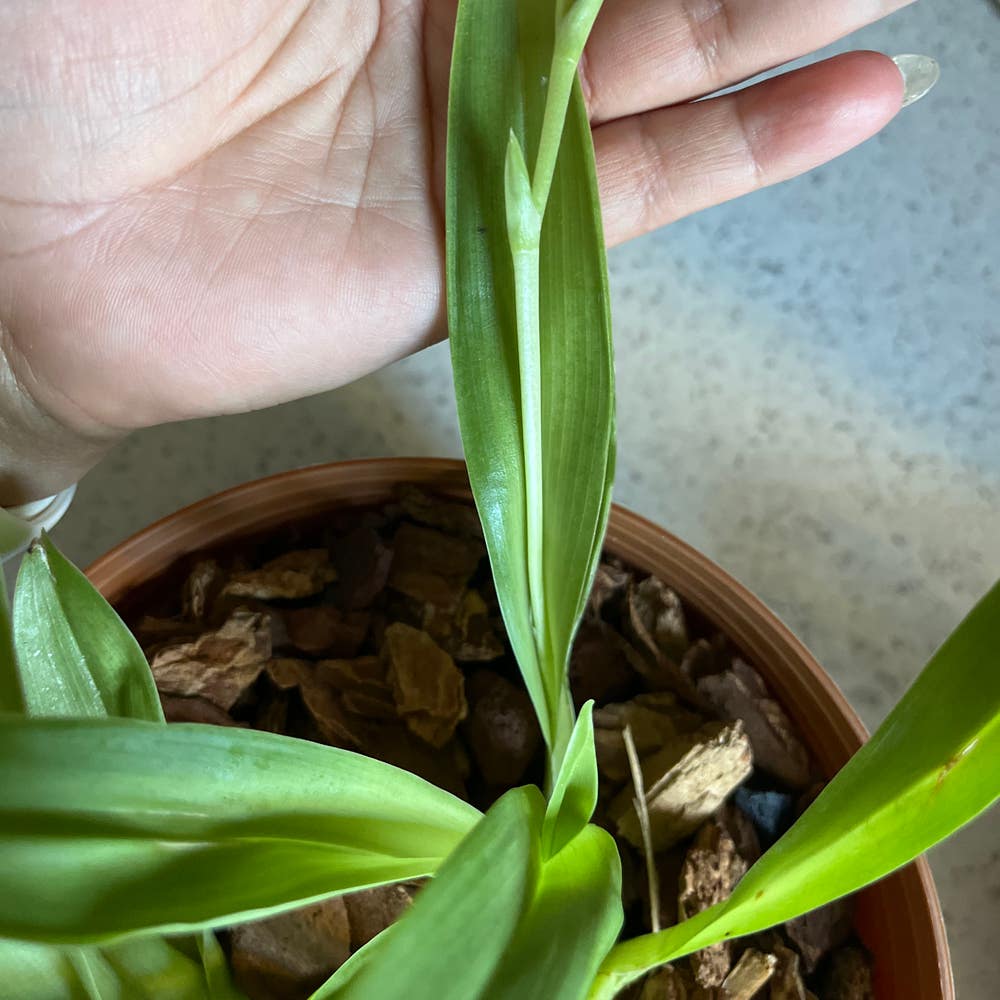
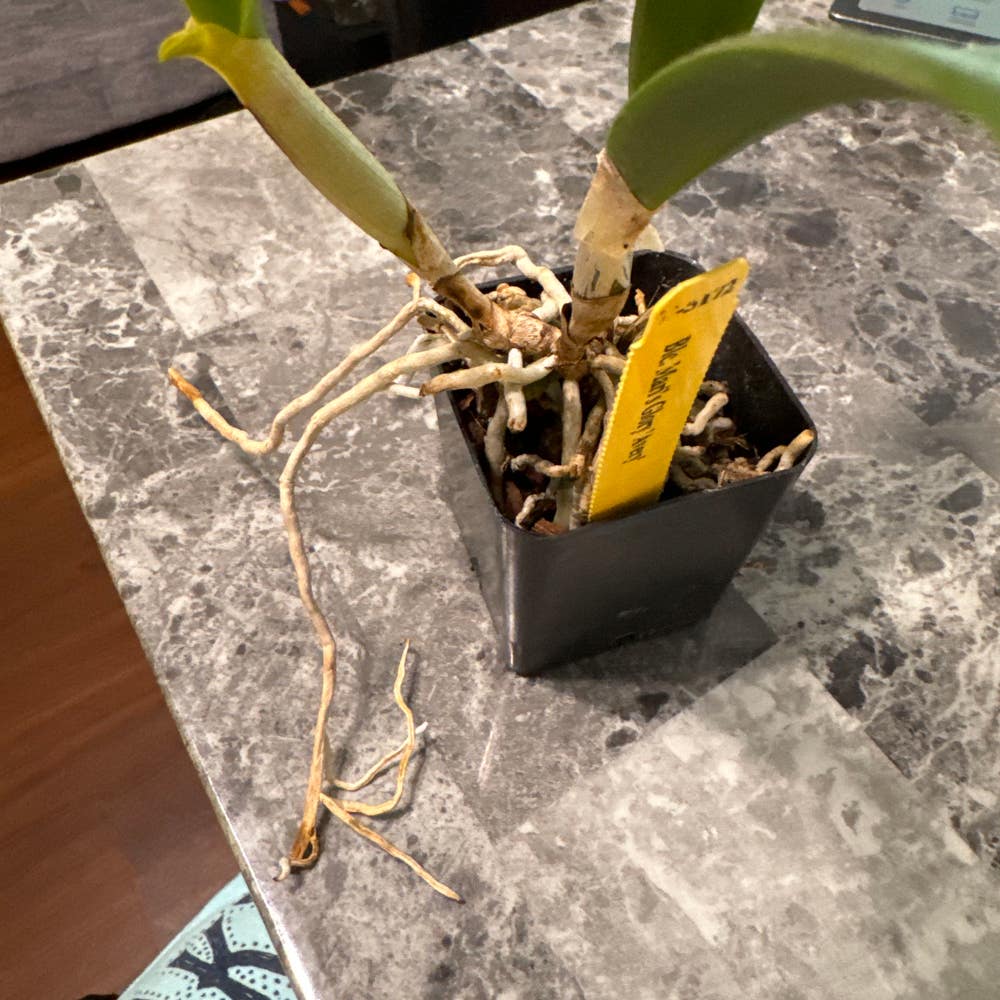
🥀 Why Are My Miltoniopsis phalaenopsis Leaves Falling Over?
Miltoniopsis phalaenopsis
By the Greg Editorial Team
Jun 18, 2024•4 min read
This article was created with the help of AI so we can cover more plants for you. May contain errors. See one? Report it here.
Stop the flop 🍂 and ensure your Miltoniopsis phalaenopsis stands tall with our expert care guide.
- 🌊 Overwatering causes root rot; let soil dry out between waterings.
- 🌞 Bright, indirect sunlight and stable temps prevent leaf droop.
- 📅 Create a care calendar for watering, fertilizing, and inspections.
When Watering Goes Wrong: Finding the Balance
💦 Overwatering Overwhelm
Yellowing leaves and a mushy root system are distress signals that your Miltoniopsis phalaenopsis is drowning in excess water. Overwatering can lead to root rot, a serious condition that can be fatal if not addressed promptly.
To rescue overwatered roots, reduce watering immediately. Allow the soil to dry out before giving your orchid another drink. If the potting mix is soggy, consider repotting into a well-draining medium. Keep an eye out for any signs of fungal infections, which may require treatment with a fungicide.
💧 The Perils of Thirst
On the other end of the spectrum, wrinkled leaves and a wilted appearance indicate that your orchid is dehydrated. Underwatering can stress your plant, leading to stunted growth and a lackluster display.
The right way to quench your orchid's thirst starts with a thorough watering, allowing excess water to drain freely. Ensure the potting mix is moist but not waterlogged. Establish a consistent watering schedule, adjusting for changes in temperature and humidity. Remember, the top inch of soil should be dry to the touch before watering again.

Creating the Perfect Home: Light, Temperature, and Potting
🌞 Light and Temperature: The Goldilocks Zone
Orchids are Goldilocks' plants when it comes to light and temperature: not too much, not too little, but just right. To stop the dreaded droop, your Miltoniopsis phalaenopsis needs bright, indirect sunlight. Think sheer curtains—they're your best friend here, diffusing that harsh direct light into a gentle glow that won't scorch the leaves. And temperature? Keep it consistent. Orchids can't deal with drama; they need a stable environment. Avoid placing them near drafts or heat sources that could cause fluctuations.
🏡 Potting Pitfalls and How to Avoid Them
The pot size and soil type are like the foundation of a house for your orchid. Get it wrong, and you're setting yourself up for a world of droopy leaves. Terracotta pots are a solid choice, offering breathability and a stable temperature. As for the soil, aim for a mix that's like a backstage pass for roots—equal parts indoor potting soil, perlite, and orchid bark. It's all about drainage and air flow.
When it comes to repotting, it's not rocket science, but it's close. Gently remove your orchid from its current pot, trim any dead roots, and place it in its new abode with the fresh soil mix. Remember, the pot should be snug, not squeezing the life out of it. And those drainage holes? Non-negotiable. They're the escape routes for excess water, so your plant's feet stay dry.

The Recovery Room: Nursing Your Orchid Back to Health
💧 Watering Rehab
Consistency is key in your orchid's watering rehab. After assessing the damage, establish a watering schedule that's as reliable as your morning alarm. Roots should dry out between waterings, but never to the point of dehydration. Think of it as a spa day for your orchid—hydrate, then let it breathe.
🌿 Environmental Therapy
Adjusting humidity and airflow is like tuning an instrument; it's delicate but crucial. Aim for 40%-70% humidity—a humidifier or a pebble tray can work wonders. Ensure good airflow to prevent mold, but avoid drafts. It's a balancing act, but when you hit the sweet spot, your orchid's leaves will stand tall and thank you.

Staying Vigilant: Prevention is Better Than Cure
🗓️ Crafting a Custom Care Calendar
Scheduling is key to keeping your Miltoniopsis phalaenopsis in top shape. Think of a care calendar as your orchid's personal assistant, reminding you when to water, fertilize, and provide the necessary care.
- Weekly: Check for watering needs and leaf health.
- Monthly: Inspect roots and apply fertilizer.
- Seasonally: Adjust light exposure and rotate the plant.
👀 Spotting Trouble Before It Starts
Early detection can mean the difference between a quick fix and a full-blown plant crisis. Inspect leaves regularly for any signs of distress, such as discoloration or spots.
- Daily: Look over your orchid for any changes or anomalies.
- Upon New Growth: Examine new leaves and pseudobulbs for irregularities.
- After Introducing New Plants: Quarantine newcomers to prevent potential pest invasions.
Regular monitoring and a proactive approach are your best defenses. Keep your orchid's environment clean and tools sanitized to ward off pests and diseases. Remember, prevention isn't just about the plant—it's about creating an ideal habitat for growth and resilience.
⚠️ Safety First
This content is for general information and may contain errors, omissions, or outdated details. It is not medical, veterinary advice, or an endorsement of therapeutic claims.
Always consult a qualified healthcare professional before using any plant as food, medicine, or supplement.
Never eat any plant (or feed one to pets) without confirming its identity with at least two trusted sources.
If you suspect poisoning, call Poison Control (800) 222-1222, the Pet Poison Helpline (800) 213-6680, or your local emergency service immediately.
Spotted an error? Please report it here.
Prevent your Miltoniopsis phalaenopsis leaves from falling over by following a personalized care plan 🌱 with Greg's tailored reminders and expert tips!