How Can You Tell If A Miltoniopsis phalaenopsis Is Dying?
Miltoniopsis phalaenopsis
By the Greg Editorial Team
Jun 18, 2024•3 min read
This article was created with the help of AI so we can cover more plants for you. May contain errors. See one? Report it here.
Spot the SOS 🆘 of your Miltoniopsis phalaenopsis and save it from wilting away unnoticed!
- Wilting or yellowing leaves signal water or light issues; check soil and exposure.
- Pests and scorched leaves need quick action: remove pests, shade from excess sun.
- Prevent mold and root rot with proper airflow and careful watering.
Spot the SOS Signals: What Your Plant is Telling You
🥀 Wilting or Drooping Leaves
Wilting leaves are the plant's white flag. Overwatering or underwatering? Check the soil. If it's soggy, ease up on the H2O. Bone dry? Time to quench its thirst. Temperature swings can also cause a droop, so keep conditions consistent.
🟡 Discoloration or Yellowing Leaves
Yellow leaves often scream overwatering or a cry for sunlight. Brown tips? Your plant might be begging for humidity. Pay attention to leaf color—it's like the plant's mood ring for its health status.
🐜 Unwelcome Guests: Pests
Pests are the party crashers no one invited. Look for telltale signs like holes or a sticky residue. Act fast—these freeloaders multiply quicker than you can say "not in my soil."
🍂 Burnt Offerings: Leaf Scorching
Scorched leaves are the plant's way of saying it's had too much sun. They'll look crispy, like they've been in a tanning bed too long. Move your plant to a shadier spot if it's starting to resemble a piece of toast.
🍄 Fungus Among Us: Mold and Growth
Mold or fungus on your plant is like finding unwanted mold on your bread—it's a no-go. Spotted leaves or a musty smell? Time for some cleanup. Increase airflow and consider a soil switcheroo.
💦 Soggy Bottoms: Root Rot
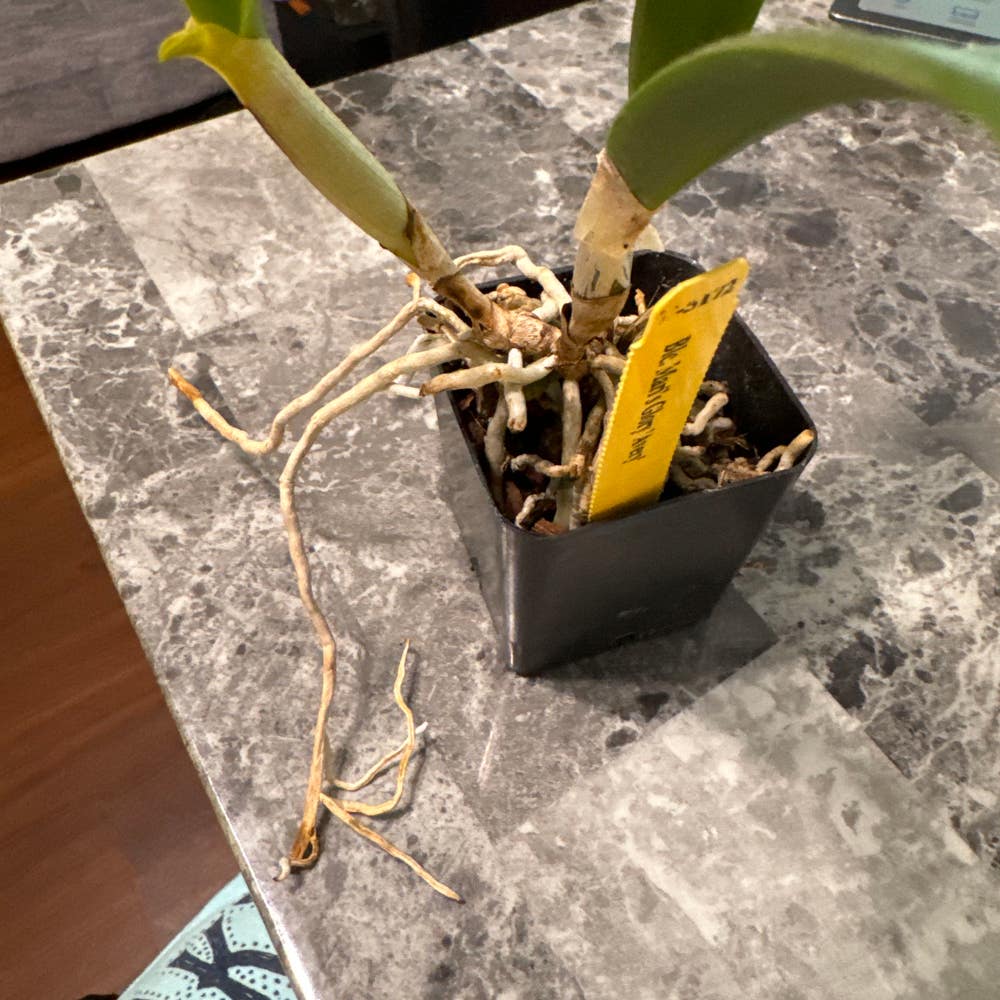
Root rot is the silent plant killer. If your plant's base is as soggy as a wet sponge, you've got trouble. Roots should be firm, not mushy. Overwatering is often the culprit, so let the soil dry out a bit between waterings.

Turnaround Tactics: Bringing Your Plant Back from the Brink
💧 Watering Woes: Finding the Balance
Watering should be predictable, not a roll of the dice. Consistency is key—let the soil dry a tad between waterings. If leaves droop, touch the soil. Soggy? Hold back on the H2O. Bone dry? Time for a drink.
🌞 Light and Temperature: The Comfort Zone
Create a comfort zone with proper light and temperature. Too much light equals a leafy meltdown, too little and you're in a vegetative twilight zone. Aim for steady temps—think eternal spring, not summer fling or winter chill.
🐜 Pest Control: Evicting Unwanted Visitors
Pests are party crashers. Start with gentle eviction methods, but don't shy away from the heavy artillery if they overstay their welcome. Your plant's health is non-negotiable.
🌿 Healing Burns: Recovering from Leaf Scorch
Leaf scorch? Time for some shade and strategic trimming. It's plant first aid—no bandages required, just a keen eye and a careful hand.
🍃 Mold and Fungus: Clearing the Air
Mold and fungus loathe a good breeze and a clean space. Increase airflow and keep the area tidy. It's like setting up a no-fungus zone.
🌱 Root Rot: The Reboot
Root rot is a death knell if ignored. Inspect roots, trim the rotted ones, and maybe repot. If it's too far gone, it's time to say goodbye and start anew.


⚠️ Safety First
This content is for general information and may contain errors, omissions, or outdated details. It is not medical, veterinary advice, or an endorsement of therapeutic claims.
Always consult a qualified healthcare professional before using any plant as food, medicine, or supplement.
Never eat any plant (or feed one to pets) without confirming its identity with at least two trusted sources.
If you suspect poisoning, call Poison Control (800) 222-1222, the Pet Poison Helpline (800) 213-6680, or your local emergency service immediately.
Spotted an error? Please report it here.
Keep your Miltoniopsis phalaenopsis from wilting away by spotting the signs early and letting Greg 🌱 guide you to avert orchid ordeals with its custom care reminders.