Diagnosing Miltoniopsis Phalaenopsis Root Rot
Miltoniopsis phalaenopsis
By the Greg Editorial Team
Jun 18, 2024•4 min read
This article was created with the help of AI so we can cover more plants for you. May contain errors. See one? Report it here.
Rescue your orchids from root rot 🌺 with these crucial diagnostic and prevention strategies.
- 🌱 Yellow leaves, mushy roots, foul odor signal root rot in orchids.
- Overwatering, poor drainage, and fungi are the main culprits.
- Remove rotted roots, disinfect, repot for recovery and prevention.
Spotting the Trouble: Symptoms of Root Rot
🚨 Visual Clues: Yellowing Leaves and Wilting
Yellowing leaves are your orchid's distress signal; they're not just off-trend, they're a sign of potential root rot. Wilting is the plant's way of saying, "I'm not okay."
👀 Touch and Texture: Identifying Mushy Roots
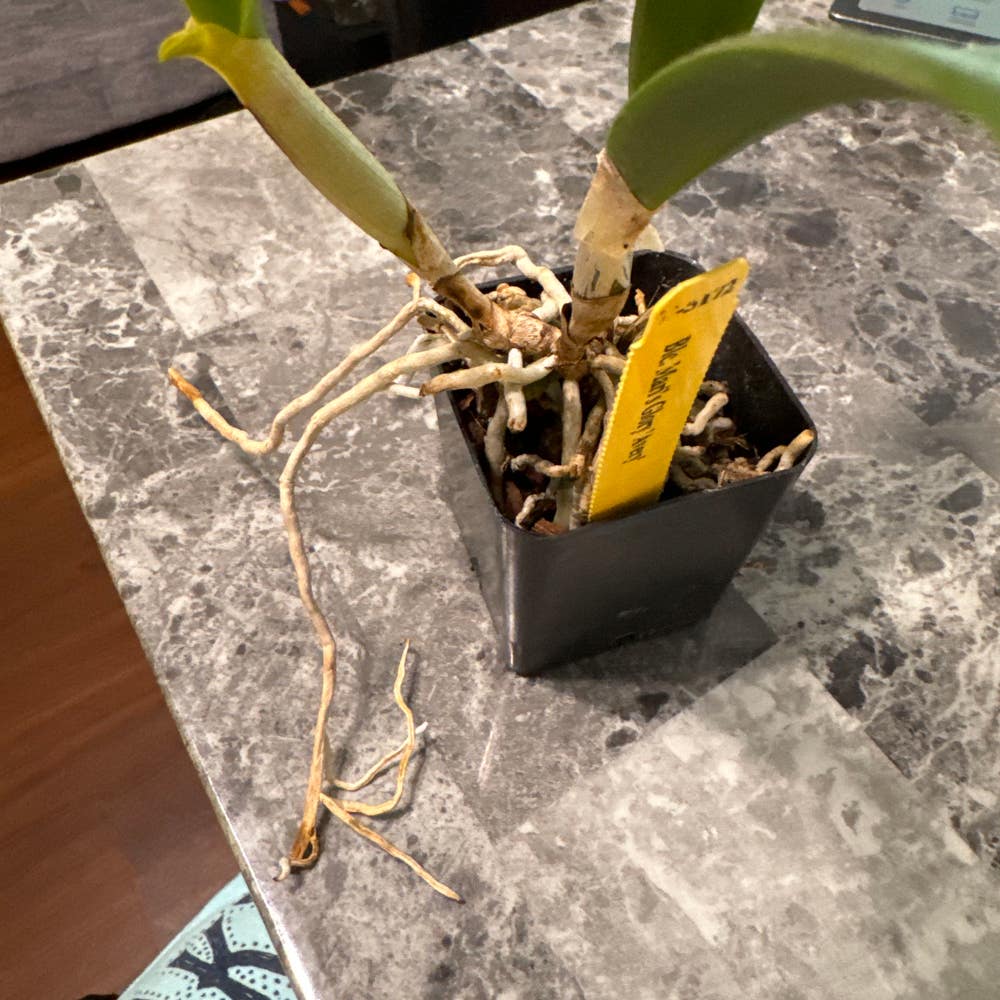
When roots feel like they've lost a battle with a steamroller, it's bad news. Mushy roots mean your orchid is waving a white flag and it's time for you to step in.
👃 The Smell Test: Detecting Foul Odors
A stench wafting from the pot is your olfactory clue that something's rotten in the state of your orchid's roots. If it smells like a forgotten potato at the back of your pantry, you're likely dealing with root rot.

The Root of the Problem: Causes of Root Rot
🌊 Overwatering Woes: Finding the Balance
Overwatering is the archenemy of Miltoniopsis phalaenopsis roots. These orchids don't need a daily drink; they prefer a sip here and there. Balance is key—let the soil approach dryness between waterings to prevent the roots from drowning in excess moisture.
🚰 Drainage Dilemmas: Ensuring Proper Flow
Poor drainage is like a bad relationship; it's suffocating. Your orchid's pot should have drainage holes that allow excess water to escape. Without them, water pools at the bottom, creating a soggy nightmare for roots that crave oxygen.
🍄 Fungal Foes: Recognizing Pathogens
Fungi are the silent invaders of the plant world, thriving in wet conditions. Pathogens like Phytophthora and Pythium love to feast on overwatered, oxygen-starved roots. Ensuring your orchid's home isn't a petri dish for these fungi is crucial for root health.

Root Rot First Aid: Immediate Actions to Take
🩹 Surgical Precision: Removing Rotted Roots
When root rot strikes your Miltoniopsis phalaenopsis, it's time to channel your inner surgeon. Sterilize your scissors or shears—this is non-negotiable. Snip away the rotted roots with the decisiveness of a seasoned gardener. Remember, any rot left behind is a future headache.
🧼 Clean and Sterile: Disinfecting the Healthy Roots
After the amputation, give the remaining roots a disinfecting bath. A diluted hydrogen peroxide solution is your ally here, ensuring no pathogens are left to throw a party. Apply it with care, like you're painting a masterpiece that's fighting for its life.
🏥 Post-Op Care: Ensuring a Healthy Recovery
Now, for the recovery room. Repot your orchid in fresh, sterile soil that's as fluffy as a cloud. Choose a pot that boasts drainage like a colander. Watering? Hold your horses—let the plant settle in its new digs before introducing more H2O. Keep the environment stable; no drama with light or temperature swings. And keep an eye out—vigilance is your new best friend.

Keeping Roots Happy and Healthy: Prevention Strategies
💧 Watering Wisdom: Tailoring Your Routine
Watering is akin to a ritual; it's about precision and timing. Overwatering is the root rot's best friend, so avoid it like the plague. Stick to the "soak and dry" method—thoroughly water, then let the soil nearly dry out before the next session. It's like a dance, and your plant's roots are the dancers—they need the stage to dry between acts.
🌱 Soil and Pot Perfection: Choosing the Right Materials
Choosing the right soil is non-negotiable. It should drain like a dream, think loose and airy. Mix in perlite or vermiculite to keep it breathable. When it comes to pots, drainage holes are your lifeline. Terra cotta is the go-to; it's porous and lets soil moisture escape, reducing the risk of soggy feet for your plant.
💨 Airflow and Aeration: Giving Roots Their Space
Airflow is the unsung hero in the fight against root rot. Ensure your orchids aren't suffocating in stagnant air. Space out your pots, and if indoors, consider a gentle fan. It's not just about preventing rot; it's about giving your plants the gusto to thrive. Remember, a plant that breathes is a plant that lives.
⚠️ Safety First
This content is for general information and may contain errors, omissions, or outdated details. It is not medical, veterinary advice, or an endorsement of therapeutic claims.
Always consult a qualified healthcare professional before using any plant as food, medicine, or supplement.
Never eat any plant (or feed one to pets) without confirming its identity with at least two trusted sources.
If you suspect poisoning, call Poison Control (800) 222-1222, the Pet Poison Helpline (800) 213-6680, or your local emergency service immediately.
Spotted an error? Please report it here.
Prevent root rot 🛑 in your orchids with precision watering schedules from Greg, ensuring your blooms stay healthy and vibrant.