What Is The Best Way To Water a Miltoniopsis phalaenopsis?
Miltoniopsis phalaenopsis
By the Greg Editorial Team
Jun 18, 2024•4 min read
This article was created with the help of AI so we can cover more plants for you. May contain errors. See one? Report it here.
Nurture vibrant Miltoniopsis blooms 🌸 with the ultimate watering guide for orchid enthusiasts.
- Check medium moisture with your finger before watering.
- Adjust watering for light, temperature, and humidity changes.
- Use rain or filtered water to prevent leaf discoloration.
When to Water Your Miltoniopsis Phalaenopsis
💧 Assessing Moisture Levels
To prevent your Miltoniopsis phalaenopsis from throwing a thirst tantrum, check the potting medium. If it's dry to the touch, it's time to water. Don't wait until your orchid's leaves start looking like an accordion; that's the plant's SOS signal.
💡 Understanding the Signs
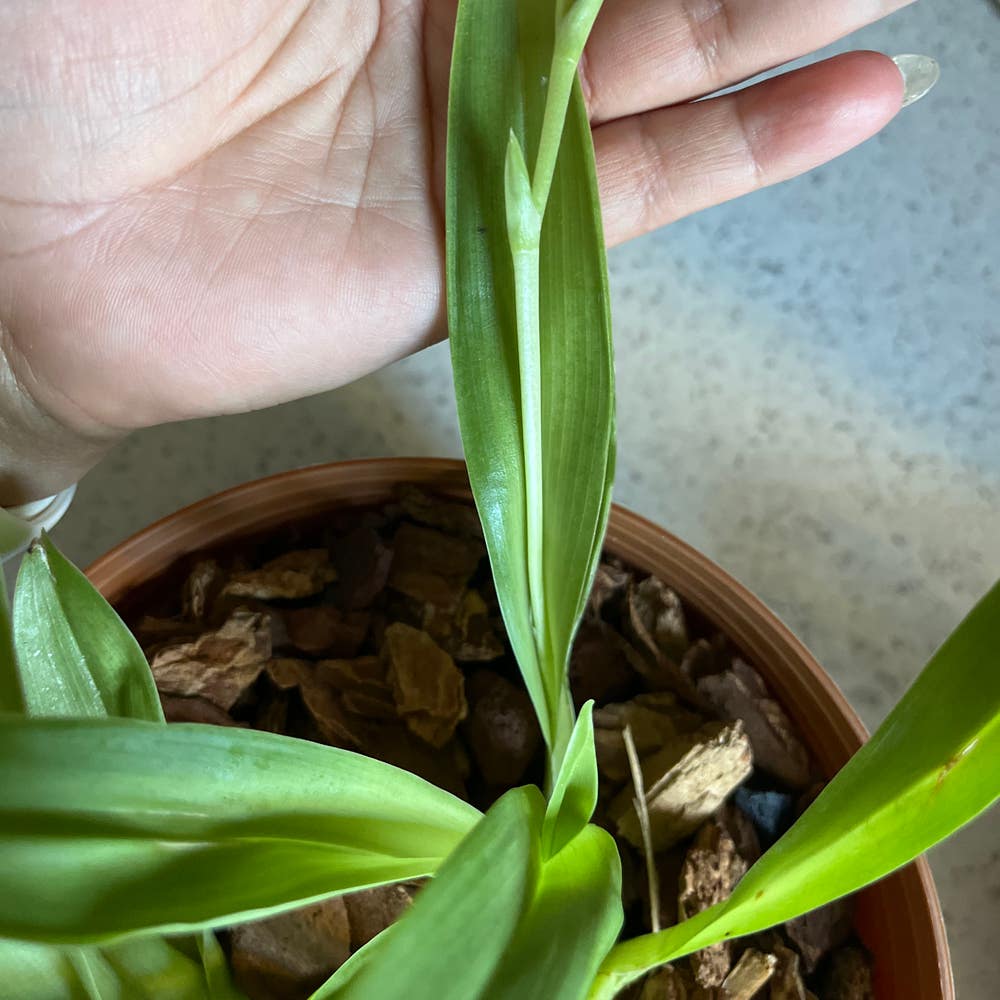
Your orchid will drop subtle hints when it's thirsty. Look for slightly wilted leaves or a lighter pot, which indicates dryness. Remember, these plants are drama queens; they'll let you know when they're not happy.
🌞 Considering Environmental Factors
Light, Temperature, and Humidity
Your Miltoniopsis is as sensitive to its environment as a gourmet chef is to their kitchen. Adjust your watering based on the light, temperature, and humidity. More light or heat? More water. Think of it as the plant's personal climate control.
Seasonal Shifts
As seasons change, so should your watering game. In winter, your orchid is chilling, literally, so it'll need less water. Ease up on the watering can when the sun is on a break and your home feels like a polar vortex.

How to Water Your Miltoniopsis Phalaenopsis
💦 The Right Technique
Step-by-Step Guide
- Check moisture: Stick your finger in the potting medium. If it's dry an inch deep, it's go time.
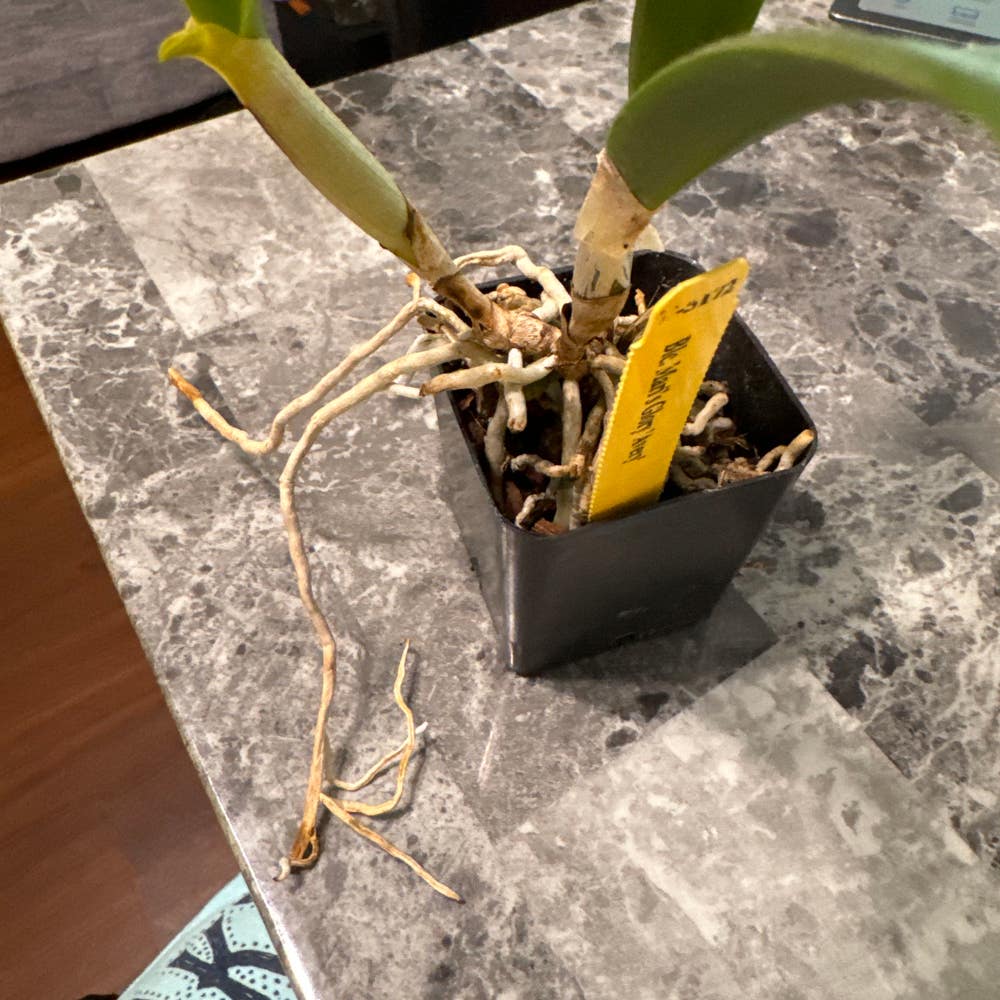
- Water thoroughly: Drench the roots until water runs free from the drainage holes.
- Avoid waterlogging: Let the pot drain completely. Orchid roots need to breathe, not swim.
🚰 Water Quality Matters
Choosing the Best Water
Your orchid has a refined palate; it prefers rainwater or filtered water. Tap water with high mineral content? That's a big no-no, as it can lead to unsightly leaf discoloration.
Water Temperature
Think baby's bathwater. Lukewarm is the sweet spot. Cold water can shock the roots, and hot water is just cruel. Keep it tepid for happy roots.

How to Water Your Miltoniopsis Phalaenopsis
💧 The Right Technique
Watering your Miltoniopsis phalaenopsis is more about precision than guesswork. Here's how to nail it:
- Check the medium before watering; it should be nearly dry an inch down.
- Water slowly and evenly around the base, mimicking a gentle rain.
- Ensure the pot has adequate drainage to avoid soggy roots.
- Allow the water to drain completely; no orchid enjoys wet feet.
💦 Water Quality Matters
The water you use can make or break your orchid's health. Here's the scoop:
- Distilled, rain, or reverse osmosis water is the gold standard, free from harmful minerals and salts.
- If you're using tap water, let it sit overnight to dissipate chlorine and check for low mineral content.
- Temperature matters; lukewarm water is best to avoid shocking the delicate roots.
Remember, your Miltoniopsis phalaenopsis is not a cactus nor a fish. It craves balance.

Troubleshooting Watering Issues
💧 Spotting Trouble Early
Overwatering can turn your Miltoniopsis phalaenopsis into a soggy mess. Look out for yellow leaves and a feeling of dampness that lingers like an unwanted guest. If the potting medium smells like a forgotten gym locker, it's a red flag for root rot.
Underwatering has its own telltale signs. Leaves that shrivel up like they've been on a diet and pseudobulbs that wrinkle faster than a prune in the sun are crying out for moisture. If the medium is drier than a comedian's humor, it's time to water.
🚱 Quick Fixes for Common Problems
When overwatered, stop the deluge and let the medium dry out to the consistency of a day-old sponge cake. If the roots are as mushy as overcooked pasta, trim the damage and repot in fresh, airy medium.
For an underwatered orchid, don't just flood it in a panic. Water slowly, let the roots soak it up like a leisurely bath, and use room temperature water to avoid shocking the system. If the medium dries out faster than you can say "thirsty," consider repotting to retain moisture better.
Remember, your Miltoniopsis phalaenopsis isn't a cactus or a fish; it doesn't want to be bone-dry or underwater. Adjust your watering to hit that sweet spot where the roots are as happy as a clam at high tide.
Keeping Your Miltoniopsis Phalaenopsis Happy
🚿 Consistency is Key
Your Miltoniopsis Phalaenopsis is a creature of habit. Establish a watering routine that's as unwavering as your daily alarm clock. Test the potting medium with your finger; aim for a dampness akin to a well-squeezed sponge. Limp leaves? That's your orchid's way of saying it's time to up the hydration ante.
👀 Observation and Adaptation
Watch your plant like a hawk and be ready to tweak your care strategy. If the leaves sport a sunburned look, dial down the light. Notice a lean? Rotate the pot. And when your orchid's leaves are the color of fresh spring grass, you're hitting the sweet spot. Remember, the feedback from your Miltoniopsis is priceless—use it to refine your approach continuously.
⚠️ Safety First
This content is for general information and may contain errors, omissions, or outdated details. It is not medical, veterinary advice, or an endorsement of therapeutic claims.
Always consult a qualified healthcare professional before using any plant as food, medicine, or supplement.
Never eat any plant (or feed one to pets) without confirming its identity with at least two trusted sources.
If you suspect poisoning, call Poison Control (800) 222-1222, the Pet Poison Helpline (800) 213-6680, or your local emergency service immediately.
Spotted an error? Please report it here.
Ensure your Miltoniopsis phalaenopsis thrives 🌸 with Greg's personalized watering schedule that adjusts to your home's unique environment and your orchid's feedback.