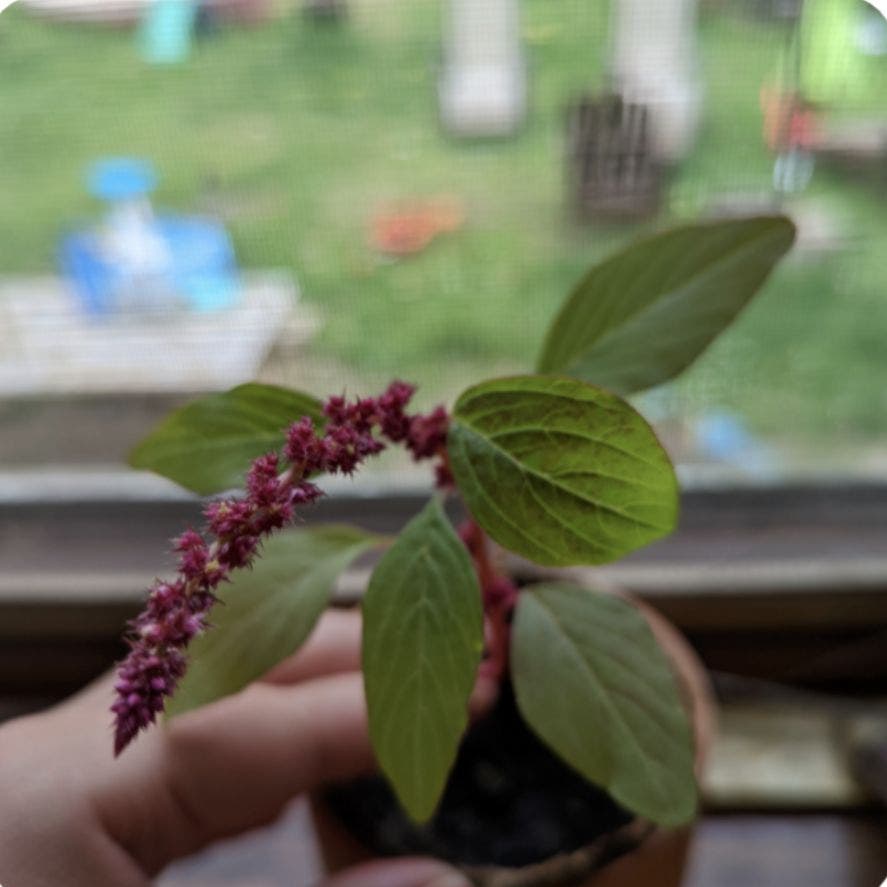
What Temperature Does My Joseph's Coat Need?
Amaranthus tricolor
By the Greg Editorial Team
Feb 11, 2024•4 min read
This article was created with the help of AI so we can cover more plants for you. May contain errors. See one? Report it here.
- 65°F to 80°F ideal for Joseph's Coat; avoid extremes.
- 🍂 Watch for discoloration, wilting, curling as signs of temperature stress.
- Indoor range: 60-75°F; shield from drafts and vents.
Keeping It Cozy: Ideal Temperature Range for Joseph's Coat
🌡️ What's the Sweet Spot?
Joseph's Coat thrives in warmth. The ideal temperature range for this vibrant plant is between 65°F and 80°F (18°C to 27°C). Consistency is key; avoid fluctuations that can stress the plant.
🥵 When It Gets Too Hot or Too Cold
When temperatures soar above 85°F (29°C), Joseph's Coat may exhibit signs of heat stress such as wilting or leaf scorch. Conversely, temperatures below 50°F (10°C) can lead to cold shock, stunting growth and causing leaf drop.
💦 Quick Touch on Humidity
Humidity plays a supporting role in Joseph's Coat care. Aim for a balanced environment—too dry and the leaves may crisp, too moist and you risk fungal issues. Keep the air moving to avoid stagnant conditions.
Spotting the Signs: When Your Plant Feels the Heat (or Chill)
💡 Visual Cues of Temperature Stress
Leaf discoloration can be a telltale sign that your Joseph's Coat is either too hot or too cold. Yellow leaves often signal overheating, while brown spots or edges might indicate a chill. Wilting is another red flag, suggesting your plant is struggling with the heat. If you notice leaves dropping prematurely, it's time to take action—your plant is definitely in distress.
💭 What Your Plant is Trying to Tell You
When your Joseph's Coat's leaves curl up, they're not just being quirky—they're trying to conserve moisture and protect themselves from excessive heat. On the flip side, if the leaves are drooping or the growth seems stunted, your plant might be too cold. Brown, crunchy leaves are a desperate cry for a warmer environment. Pay attention to these visual cues; they're your plant's way of communicating its discomfort with the current temperature.
Indoor Climate Control: Keeping Joseph's Coat Happy at Home
⚖️ Regulating Indoor Temperatures
Consistency is key for Joseph's Coat indoors. Aim to maintain a temperature between 60-75°F (15-24°C). Smart thermostats can take the guesswork out of this, allowing for precise control. Remember, these tropical natives shiver at the thought of cold drafts, so keep them away from leaky windows and doors. A thermometer can be your sidekick, helping you monitor the climate without breaking a sweat.
🛡️ Shielding from the Extremes
Drafts and vents are the archenemies of your Joseph's Coat's comfort. Strategic placement can save the day; position your plant in a spot safe from the ambush of sudden temperature changes. Weather stripping or draft stoppers can fortify your home against unwanted cold incursions. And when the indoor heat kicks in, watch out for dry air—humidifiers or pebble trays can help keep the humidity just right. If you catch your plant throwing shade (read: showing stress), it might be time to change its post.
Outdoor Considerations: Joseph's Coat in the Elements
🌦️ Seasonal Adjustments
Joseph's Coat, with its love for warm climates, demands special attention as the seasons change. In USDA zones 10 to 11, it's a happy camper outdoors year-round. But for those in cooler zones, it's a different ball game.
Spring is a time of renewal; ensure your Joseph's Coat is not subjected to late frosts. Post-frost, it's all about soaking up that sun and warmth. Come summer, these plants are in their element, basking in the glory of long, sunny days. However, watch out for scorching heatwaves that can stress your vibrant friend.
As autumn leaves begin to fall, it's a signal to start preparing your Joseph's Coat for cooler times. If it's potted, this is your cue to move it indoors. For plants in the ground, consider mulching to retain soil warmth.
Winter is the chill zone, literally. If you're not in those warmer zones, your Joseph's Coat should be living it up inside. But if it must stay outdoors, protection is key. Think insulation like mulch, and on those particularly frosty nights, a plant cover can be a lifesaver.
🚨 Emergency Measures
When Mother Nature throws a curveball, it's time for quick thinking. Unexpected frost? Drag out those plant covers or move pots to a sheltered spot. Heatwave hitting hard? Provide some shade to prevent your Joseph's Coat from wilting under the pressure.
In the face of extreme temperatures, hydration is your plant's best friend. Keep the soil moist, but not soggy. Remember, the goal is to keep your Joseph's Coat from turning into a plant popsicle or a wilted mess. Stay vigilant, and your Joseph's Coat will keep strutting its colorful stuff regardless of what the weather gods throw at it.
⚠️ Safety First
This content is for general information and may contain errors, omissions, or outdated details. It is not medical, veterinary advice, or an endorsement of therapeutic claims.
Always consult a qualified healthcare professional before using any plant as food, medicine, or supplement.
Never eat any plant (or feed one to pets) without confirming its identity with at least two trusted sources.
If you suspect poisoning, call Poison Control (800) 222-1222, the Pet Poison Helpline (800) 213-6680, or your local emergency service immediately.
Spotted an error? Please report it here.
Ensure your Joseph's Coat thrives in the ideal climate by letting Greg track and balance 🌡️ your room's conditions, keeping your plant perfectly pampered.