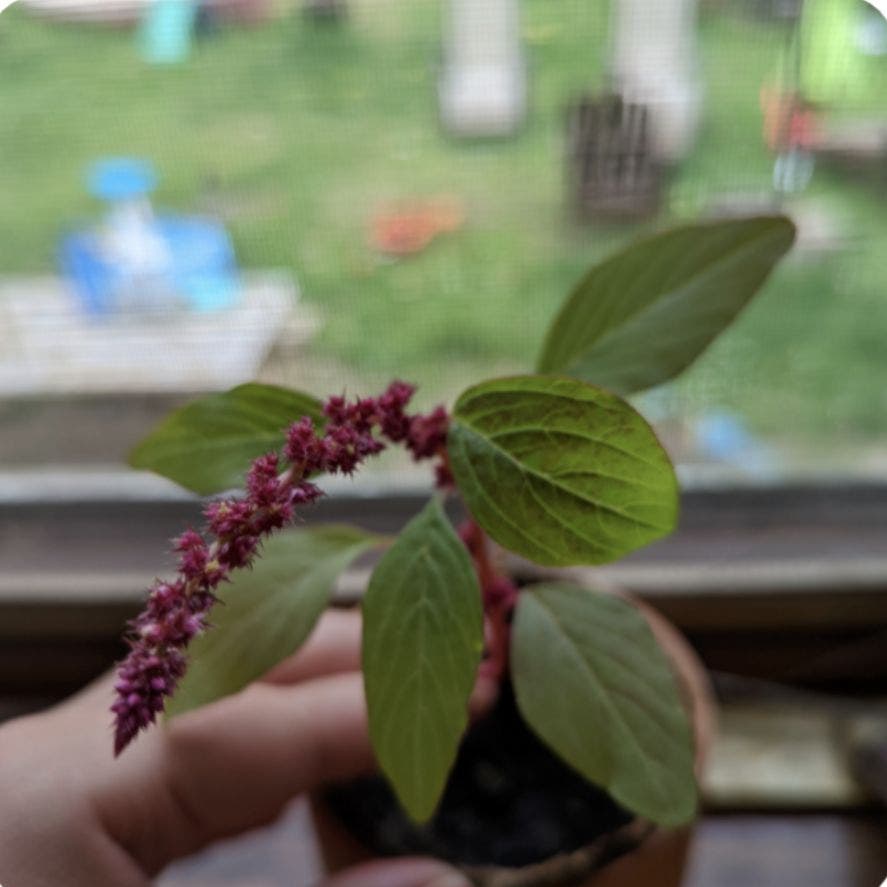
Why Is My Joseph's Coat Not Doing Well?
Amaranthus tricolor
By the Greg Editorial Team
Feb 11, 2024•4 min read
This article was created with the help of AI so we can cover more plants for you. May contain errors. See one? Report it here.
- Inconsistent watering? Adjust for wilting or yellow leaves.
- 🌞🌡️ Right light and temperature prevent faded colors and temperature shock.
- 🐛 Pest and fungus control: Inspect leaves, improve airflow, and use organic remedies.
Thirsty or Drowning? Water Woes Unraveled
🚱 Inconsistent Watering
Wilting and yellowing leaves often signal your Joseph's Coat is getting erratic sips of water. Leaf drop is another red flag that your watering routine needs a tune-up.
To balance your watering, observe your plant's response after each drink. Adjust the amount and frequency according to the season and your plant's feedback. Ensure the soil is moist but not soggy before reaching for the watering can again.
🌊 Over-watering and Root Rot
Mushy stems and a foul odor from the soil are tell-tale signs of over-watering. Yellowing leaves can mean your Joseph's Coat's roots are suffocating.
To dry out the problem, first reduce watering immediately. Check the roots for rot and trim any affected areas. Improve drainage by adding perlite or sand to the soil, and consider repotting in fresh, well-draining mix if necessary.
Light and Shade: Striking the Right Balance
🌞 Irregular Light Exposure
Reading the Leaves
Faded colors and stunted growth are red flags; your Joseph's Coat isn't getting the light it craves. It's not being moody—it's under-lit.
Sunbathing Schedule
Adjust your plant's light diet to bright, indirect sunlight. Think of it as a spa retreat for your plant, minus the cucumber water. Rotate it weekly to avoid a lopsided, plant version of a bad tan.
🍂 Leaf Scorching
Burn Notice
Crispy leaf tips are your plant's way of saying, "I've had enough sun, thanks." It's not trying to be the next leaf jerky sensation.
Treating Crispy Tips
Move your Joseph's Coat out of the solar spotlight to a shadier locale. No sunglasses required—just some relief from the harsh rays. Remember, patience is key; leaves heal on nature's schedule, not ours.
Temperature Tantrums: Keeping Your Joseph's Coat Comfy
🌡️ Weathering the Extremes
Joseph's Coat plants are not fans of temperature roller coasters. Protect them from sudden chills and heatwaves as if they were your own tropical fish in a tank. When the mercury dips, bring your potted Joseph's Coat indoors to avoid a frosty demise. Conversely, during a heatwave, shade cloths or relocating to a cooler spot can prevent your plant from cooking.
🛋️ Cozy Conditions
The sweet spot for these plants is a balmy 70-85°F. Think of this range as the comfort zone where your Joseph's Coat can kick back and flourish. Monitor your indoor climate with a thermostat to avoid the silent plant killer that is temperature fluctuation. If you're shivering or sweating at home, chances are your plant is too. Keep it away from drafts and direct heat sources like radiators or vents that could turn your plant's leaves as crisp as autumn leaves.
💦 Humidity Hints
While Joseph's Coat can handle a bit of dry air, they won't turn down a bit of humidity. If your home feels like a desert, consider a humidifier or a pebble tray with water to up the moisture ante. It's like giving your plant a spa day, every day, without the cucumber eye patches.
🍂 Seasonal Shifts
As seasons change, don't shock your plant with a sudden wardrobe change. Transition it gently, like easing into a cold pool. If you're moving the plant indoors for winter, do it before you're reaching for your wool socks. And when spring rolls around, don't just toss it outside; acclimate it slowly to avoid a botanical panic attack.
Uninvited Guests: Dealing with Pests and Fungus
🐜 Pests
🕵️ Bug off: Identifying and Evicting Common Critters
Pests are unwanted guests that can wreak havoc on your Joseph's Coat. Spider mites, aphids, and mealybugs are the usual suspects. They're small but mighty, often leaving telltale signs like webbing, sticky honeydew, or a white cottony substance. To spot these pests, turn detective and inspect the undersides of leaves and stems.
🌿 Natural Defenses: Organic Remedies to Keep Pests at Bay
When it comes to eviction, it's about finesse, not force. A soapy water solution can nudge pests to hit the road. For a more natural approach, introduce ladybugs or lacewings. These predators are like the plant world's security guards. And don't forget, prevention is key. Keep your plant clean and quarantine new additions to prevent outbreaks.
🍄 Mold and Fungus
🦠 Fuzzy Foes: Recognizing and Rectifying Fungal Issues
Mold and fungus are the party poopers of the plant world. They love moist conditions and poor air circulation. If you see any suspicious fuzz or discoloration, it's time for action. Cut back on watering and crank up the airflow. Fungicides are the cleanup crew, but use them as a last resort.
Remember, the best defense against these fungal gatecrashers is a good offense. Keep the leaves dry and ensure good air circulation to prevent these issues from taking root in the first place.
⚠️ Safety First
This content is for general information and may contain errors, omissions, or outdated details. It is not medical, veterinary advice, or an endorsement of therapeutic claims.
Always consult a qualified healthcare professional before using any plant as food, medicine, or supplement.
Never eat any plant (or feed one to pets) without confirming its identity with at least two trusted sources.
If you suspect poisoning, call Poison Control (800) 222-1222, the Pet Poison Helpline (800) 213-6680, or your local emergency service immediately.
Spotted an error? Please report it here.
Turn your Joseph's Coat's frown upside down and thrive 🌈 with Greg's custom care schedule, ensuring perfect watering, light conditions, and community support for any pesky problems!