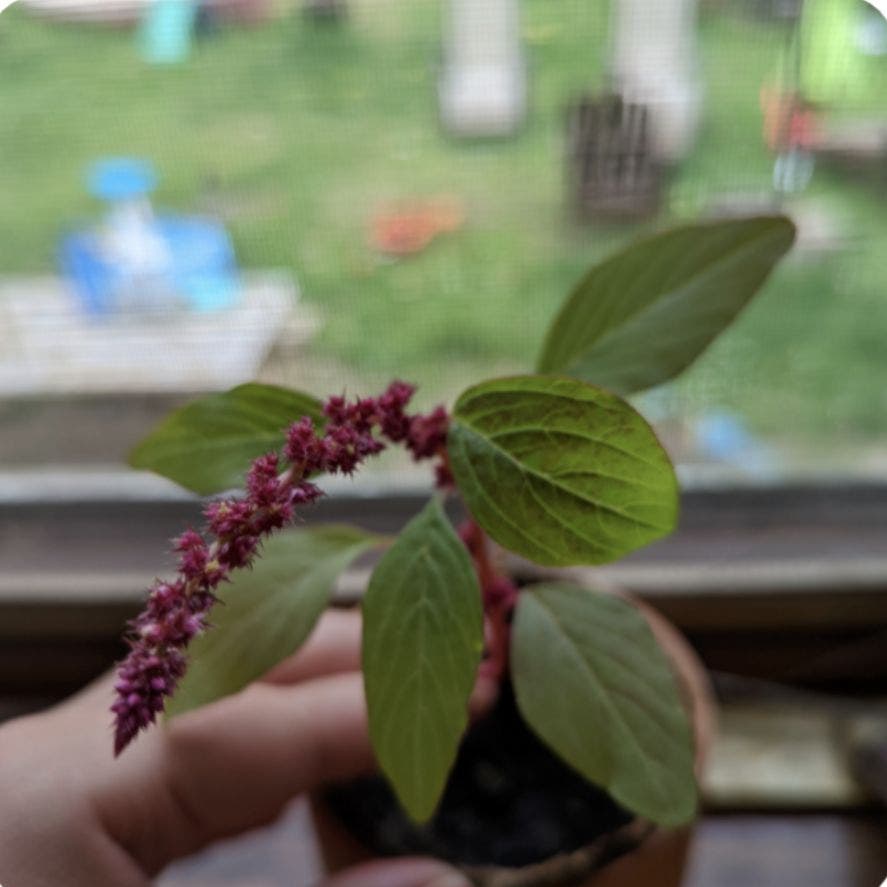
When and Where Should I Trim My Joseph's Coat?
Amaranthus tricolor
By the Greg Editorial Team
Feb 11, 2024•4 min read
This article was created with the help of AI so we can cover more plants for you. May contain errors. See one? Report it here.
- Spring, summer, fall best for pruning; winter is a no-go. 🍂✂️
- Sync snips with blooms to promote health and avoid losing flowers.
- Sharp tools, clean cuts ensure a healthy recovery and lush growth.
Best Times to Give Joseph's Coat a Haircut
📅 Seasonal Pruning Calendar
Spring awakening: It's all about encouraging new growth. As the plant shakes off winter's chill, it's time to prune. This sets the stage for a season of lush foliage.
Summer touch-ups: Balance health with aesthetics. A light trim can keep your Joseph's Coat from becoming a wild, untamed mess. Think of it as a mid-season refresh.
Fall preparations: Get ready for dormancy. Trim away dead or diseased growth, and think of it as tucking your plant in for a cozy winter nap.
Winter no-nos: Put the shears away. Your plant's resting, and so should you. Over-pruning now could be more harm than haircut.
Pruning Around Blooming
Syncing your snips with flowering cycles is key. Deadhead spent blooms to encourage new ones, and time your trims to avoid cutting off future flowers. It's not just about looks; it's about plant health.
Where to Snip and Shape
✂️ Targeting the Trim
Leggy stems are your plant's white flag—trim them back to the nearest node to encourage a fuller figure. Overgrowth is like a bad hair day; it needs to be styled. Snip off those joyless, brown-tipped ends to reroute energy to the greener, livelier parts of your Joseph's Coat.
🌿 Deciding on Cuts for Shape and Structure
To get that lush, bushy look, pinch the tips of young shoots and thin out the crowded areas. It's not a free-for-all with the shears; it's about strategic cuts for that robust silhouette. Remember, aim for a natural look, unless you're sculpting a plant masterpiece.
💐 Deadheading for Dazzling Blooms
Deadheading is like a reset button for your blooms—remove the spent flowers to make room for new ones. This isn't just about aesthetics; it's about giving your plant a botanical pep talk to encourage more vibrant displays. Keep snipping throughout the blooming season, but be gentle with those emerging buds.
🌸 Removing Spent Blooms to Boost Flowering
When it comes to deadheading, timing is everything. Snip off those faded flowers without harming the hopeful buds waiting in the wings. This practice not only keeps your Joseph's Coat looking tidy but also promotes a continuous parade of color.
Pruning Techniques Tailored for Joseph's Coat
✂️ The Right Cut
Clean tools and sharp cuts are non-negotiable for a healthy Joseph's Coat. Disinfect your shears with rubbing alcohol to prevent disease spread. When it comes to the act itself, think of it as a strategic game. Pinching is great for encouraging bushiness, while shearing suits those looking for uniformity. For a more natural look, go for selective trimming. Always snip above a leaf node to promote regrowth, and remember, less is often more.
🌈 Special Care for Special Cases
Variegated Joseph's Coats are like the divas of the plant world; they need a bit of extra attention. When pruning, ensure you're not cutting off all the variegated sections—those are the show-stoppers. For those living the high life in containers, adjust your technique. Smaller snips cater to their limited space and help avoid over-pruning, which can be as dramatic as a bad haircut.
After the Trim: Caring for Your Pruned Plant
🌱 Post-Pruning TLC
💧 Watering and Feeding After Pruning
After you've given Joseph's Coat its seasonal snip, watering is your first order of business. Hydrate your plant to help it recover from the trim, but avoid waterlogging the soil. Think of it as a soothing spa treatment; the goal is to refresh, not to drown.
When it comes to feeding, hold your horses. Fertilizing immediately after pruning can be overwhelming for your plant. Wait until you see signs of new growth, then introduce a balanced fertilizer to support its recovery and encourage robust development.
Monitoring Recovery and Growth
Post-pruning, your Joseph's Coat enters a phase of healing. Monitor the plant like it's the season finale of your favorite show. Look out for new leaves sprouting – that's your cue that the plant is bouncing back.
Keep an eye on the soil moisture and adjust your watering schedule accordingly. The soil should be consistently moist, like a wrung-out sponge, not a swamp. If you notice any signs of distress, such as yellowing leaves, it's time to reassess your care routine.
Remember, patience is key. Your plant won't sprout a new leaf overnight, but with the right care, you'll soon see your Joseph's Coat flourish once again.
⚠️ Safety First
This content is for general information and may contain errors, omissions, or outdated details. It is not medical, veterinary advice, or an endorsement of therapeutic claims.
Always consult a qualified healthcare professional before using any plant as food, medicine, or supplement.
Never eat any plant (or feed one to pets) without confirming its identity with at least two trusted sources.
If you suspect poisoning, call Poison Control (800) 222-1222, the Pet Poison Helpline (800) 213-6680, or your local emergency service immediately.
Spotted an error? Please report it here.
Achieve a bushy and colorful Joseph's Coat 🌈 with Greg's tailored pruning reminders, ensuring you snip at the right time for the most vibrant growth.