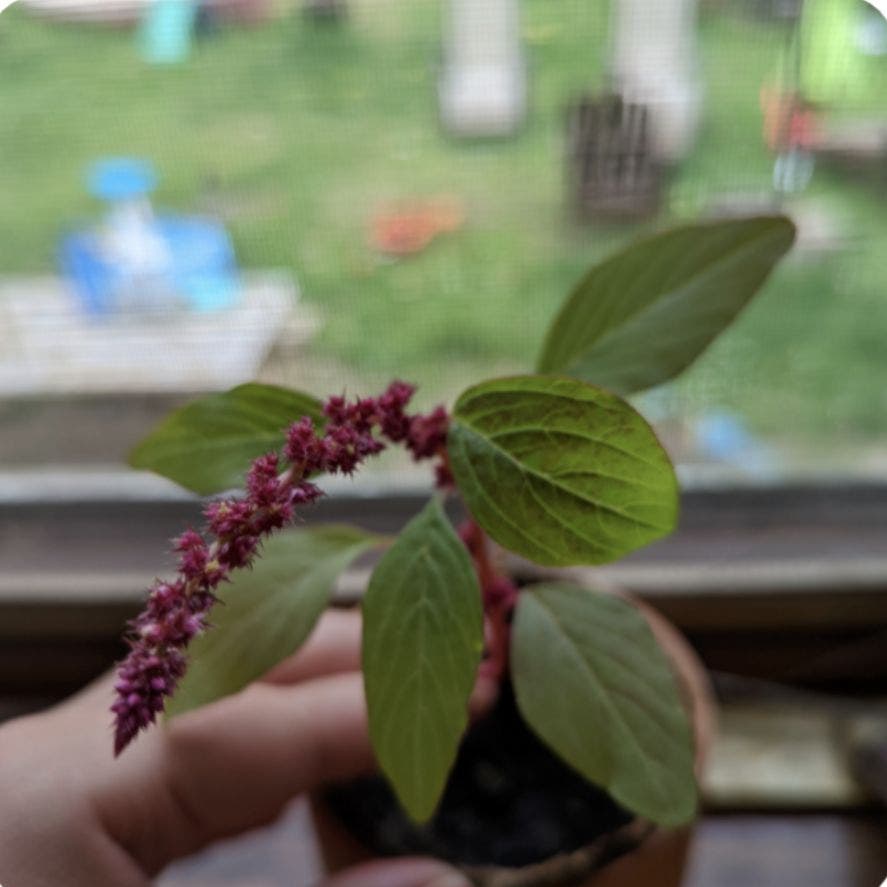
Why Are There Brown Spots on My Joseph's Coat Leaves? 🍂
Amaranthus tricolor
By the Greg Editorial Team
Feb 11, 2024•6 min read
This article was created with the help of AI so we can cover more plants for you. May contain errors. See one? Report it here.
- Overwatering and fungi cause brown spots; adjust water and air flow.
- Pests contribute to spots; use insecticidal soap or neem oil.
- Regular inspections and maintenance prevent recurrence of brown spots.
Spotting Trouble: Recognizing Brown Spots on Your Plant
🚨 Visual Cues: What Brown Spots Look Like
Brown spots on Joseph's Coat are the plant's SOS—a visual distress signal. They can range from tiny dots to substantial splotches, and they don't discriminate; you'll find them from the leaf's center to its very edges. A spot's appearance can be a telltale sign of its origin—dry and crispy or wet and mushy, each has a story to tell.
📈 Progression Patterns: The Spread of Brown Spots
The development of brown spots on Joseph's Coat isn't random—it's a progression, a tale of neglect or environmental stress unfolding leaf by leaf. Small speckles may be the opening chapter, but left unaddressed, they can expand into a saga of larger blotches. Consistency in their appearance is a clue to a systemic issue, not just an isolated incident. Keep an eye on their size and spread; a small spot today could be the prelude to tomorrow's leafy obituary.
Rooting Out the Causes: What's Behind the Brown Spots?
💧 Water Woes: Overwatering and its role in brown spot formation
Overwatering is a common misstep that can lead to brown spots on Joseph's Coat. Signs include limp, yellowing leaves and a soggy soil feel. It's not just about quantity; water quality plays a role too. Minerals from tap water can accumulate, potentially harming your plant.
The impact of water quality
Poor water quality can be a silent killer. Chlorine and fluoride in tap water might not be your plant's cup of tea. Consider filtered or rainwater to avoid unwanted mineral buildup that could contribute to leaf browning.
🍄 Fungal Foes: Identifying common fungal culprits
Fungal diseases often manifest as raised or spreading spots. These unsightly blemishes can be the plant's cry for help against invaders like powdery mildew or leaf spot disease. High humidity and poor air circulation are their best friends.
Symptoms of fungal diseases
Look for concentric rings or a yellow halo around the spots. Fungal infections might also show up as black or brown rings, a sign of the plant's defense mechanism kicking in.
Conditions that favor fungal growth
Fungi love a good moist environment. Overwatering, coupled with poor drainage, invites these organisms to a feast at your plant's expense. Keep the air moving and the soil well-drained to avoid throwing a fungal fiesta.
🐜 Unwanted Guests: Pests that lead to brown spots
Pests are like those annoying relatives who show up uninvited and leave a mess. Common culprits include aphids, spider mites, and scale insects. They suck the life out of leaves, leaving behind telltale brown spots.
Common pests associated with brown spots
Aphids and spider mites are the usual suspects. They're tiny but mighty, wreaking havoc on your plant's leaves.
How pests damage leaves and cause discoloration
These critters damage by piercing leaf cells and sucking out the sap. This can lead to discolored, brown spots as the plant's tissue reacts to the injury. Keep an eye out for webbing or sticky residue, a red flag for pest presence.
Turning Over a New Leaf: Effective Remedies and Treatments
💧 Balancing the Watering Can: Adjusting your watering routine
Joseph's Coat thrives on moderation, especially when it comes to hydration. Overzealous watering can lead to a soggy mess and the dreaded brown spots. Let the topsoil dry before giving your plant another drink. This simple check can be a lifesaver.
The right amount of water for Joseph's Coat
It's not just about frequency; it's about quantity too. Your Joseph's Coat doesn't need a flood—aim for moist, not drenched soil. Stick your finger in the soil; if it's dry an inch down, it's time to water.
Importance of drainage and soil type
Your plant's pot is its castle—make sure it has a good moat. That means drainage holes are a must. Pair them with a well-draining soil mix to prevent water from overstaying its welcome.
🍄 Fungus Among Us: Choosing and applying treatments
When fungi decide to throw a party on your plant, it's time to shut it down. Fungicides can be the bouncers you need, but use them wisely. Always read the label—those instructions are gold.
When and how to use fungicides
Timing is crucial with fungicides. Apply at the first sign of trouble, and follow the schedule to the letter. Consistency is key to keeping those brown spots in check.
Natural alternatives for fungal control
If chemicals make you queasy, go for natural options. Baking soda and soap can be gentle yet effective. But remember, they're not a silver bullet—prevention is still your best bet.
🐜 Pest Patrol: Implementing pest control strategies
Pests are like uninvited guests—they show up, and before you know it, they're eating all your plant's leaves. Time to show them the door with safe treatments like insecticidal soap or neem oil.
Safe and effective pest treatments
Insecticidal soap and neem oil are your gentle warriors against pests. They're effective without being the nuclear option. Plus, they're kinder to the rest of your garden ecosystem.
Preventative measures to keep pests at bay
Prevention is about being proactive. Regular inspections are like neighborhood watches for your plants. Keep an eye out, and act fast if you spot any freeloading pests.
Keeping Spots at Bay: Prevention Strategies
💡 Location, Location, Location: Ensuring Optimal Plant Placement
Light and air circulation are paramount in preventing brown spots. Place your Joseph's Coat where it receives gentle morning rays but is shielded from the harsh afternoon sun. Think of it as the plant's personal sunscreen.
Avoid environmental stressors like a pro. No plant wants to live in a wind tunnel or a dark alley. Find that sweet spot with bright, indirect light and stable temperatures to keep your plant stress-free and spotless.
🛡️ Vigilant Care: Routine Inspections and Maintenance
Regular check-ups are the secret to a healthy Joseph's Coat. It's like taking your car for a service; catching issues early prevents major breakdowns. Inspect leaves often for the first sign of trouble.
Pruning isn't just for aesthetics; it's a health necessity. Use sterilized shears to snip off any affected areas. Think of it as a precision surgical strike against potential pathogens. And remember, cleanliness is your plant's best friend. Keep the surrounding area tidy to discourage fungal gate-crashers.
⚠️ Safety First
This content is for general information and may contain errors, omissions, or outdated details. It is not medical, veterinary advice, or an endorsement of therapeutic claims.
Always consult a qualified healthcare professional before using any plant as food, medicine, or supplement.
Never eat any plant (or feed one to pets) without confirming its identity with at least two trusted sources.
If you suspect poisoning, call Poison Control (800) 222-1222, the Pet Poison Helpline (800) 213-6680, or your local emergency service immediately.
Spotted an error? Please report it here.
Combat those pesky brown spots on your Joseph's Coat by letting Greg craft a custom watering plan 💧 that keeps your plant healthy and spot-free.