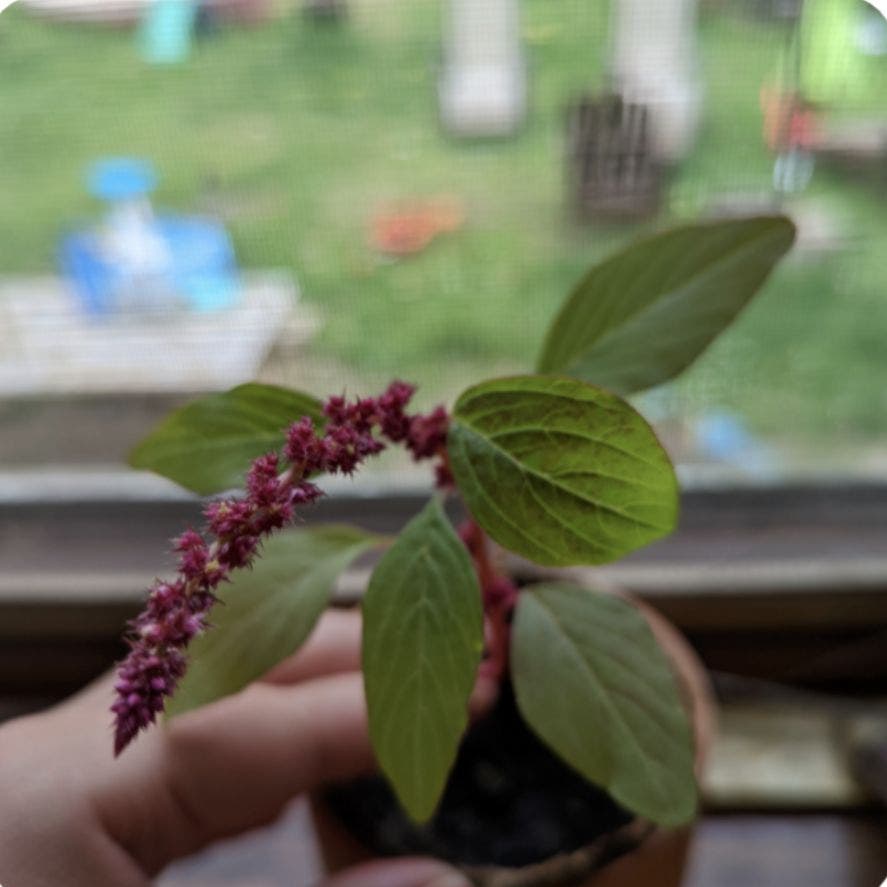
🐛 What Are The Bugs on My Joseph's Coat?
Amaranthus tricolor
By the Greg Editorial Team
Feb 11, 2024•4 min read
This article was created with the help of AI so we can cover more plants for you. May contain errors. See one? Report it here.
- 🕸️ Spider mites and mealybugs have distinct signs: webs and cottony masses.
- 💦 Water sprays and soapy treatments combat aphids and scale insects.
- 🌱 Prevent pests with regular inspections, proper watering, and attracting beneficial insects.
Spotting the Invaders: Identifying Common Pests
🕷️ Spider Mites
Fine webs under leaves and a speckled look on foliage are the calling cards of spider mites. These tiny pests are nearly invisible but their damage is not.
🛡️ Scale Insects
Look for waxy bumps on stems or leaves, a clear sign of scale insects. They also leave behind a sticky residue that can lead to sooty mold.
🦟 Fungus Gnats and Fruit Flies
If you see adult flies around your plant or notice larvae in the soil, you're dealing with fungus gnats or fruit flies. Sticky traps and letting the soil dry can help curb their enthusiasm.
🐛 Mealybugs
White cottony masses tucked in the nooks of your plant? That's mealybugs for you. They're all about that sap-sucking life, leaving a mess in their wake.
🦗 Aphids
Aphids love to throw a party in clusters on your plant, causing stress signals like distorted growth. They're the uninvited guests that just won't leave.
Battle Tactics: Effective Remedies for Each Pest
🕷️ Spider Mites
Increased humidity and targeted sprays are your weapons of choice against these minuscule marauders. Crank up the moisture to spoil their dry paradise, and follow up with a neem oil or insecticidal soap blitz, ensuring every leaf is a battlefield.
🛡️ Scale Insects
It's a hands-on fight with these armored adversaries. Don your gloves and gently scrape them off like unwanted stickers. For those stubborn hangers-on, dab them with alcohol on a cotton swab for a precise hit. When it's time for the big guns, unleash a soapy oil spray to smother their defenses.
🦟 Fungus Gnats and Fruit Flies
Soil treatments and traps are your tactical response to these dirt-dwelling devils. Let the soil dry out, cutting off their life cycle at the source. Deploy sticky traps to catch the adults and consider introducing nematodes, the unseen assassins that target larvae.
🐞 Mealybugs
Direct alcohol application is like throwing water on a grease fire for these fluffy pests. Grab a swab, dip it in isopropyl, and go on a seek-and-destroy mission. If they're playing hard to get, a thorough wash with soapy water or neem oil can flush them out of their hiding spots.
🦗 Aphids
Strong sprays from your hose can send these clingy critters flying. If they're proving tenacious, a concoction of insecticidal soap will break their grip. Soap solutions are the bane of their existence, stripping away their waxy protection and ensuring your plants' peace.
Fortifying the Fortress: Prevention Strategies
🛡️ Regular Inspections and Quarantine
Vigilance is key in pest prevention. Conduct regular inspections of your Joseph's Coat, looking for early signs of trouble like unusual leaf spots or sticky residue. Isolate new plants for at least a month to prevent introducing pests to your existing plant collection.
💨 Environmental Control Tactics
Airflow and humidity are your secret weapons. Ensure your Joseph's Coat has plenty of space for air to circulate, reducing the risk of pest infestations. Monitor humidity levels; some pests love moisture, so keeping it in check can make your plant less appealing to them.
🐞 Attracting Beneficial Insects
Beneficial insects are your garden allies. Attract ladybugs, predatory mites, and other pest-eating critters by planting companion flora or using biological controls. They're like your personal pest control army, naturally keeping the bug population down.
🚫 Integrated Pest Management (IPM)
Adopt IPM strategies to create a hostile environment for pests while promoting plant health. This includes using sticky traps for early detection, opting for organic fertilizers, and employing natural pesticides as preventive measures. It's about being proactive, not just reactive.
🧹 Sanitation and Maintenance
Keep your plant's area clean. Remove fallen leaves and debris to eliminate potential pest breeding grounds. Regular pruning encourages airflow and reduces hiding spots for pests. Sanitizing tools and pots can also prevent the spread of unwanted visitors.
💧 Soil and Watering Practices
Use sterile potting mix and avoid overwatering. Proper drainage is crucial to prevent soggy soil, which can attract pests like fungus gnats. Watering correctly and maintaining the right soil conditions are like building a moat around your plant fortress.
⚠️ Safety First
This content is for general information and may contain errors, omissions, or outdated details. It is not medical, veterinary advice, or an endorsement of therapeutic claims.
Always consult a qualified healthcare professional before using any plant as food, medicine, or supplement.
Never eat any plant (or feed one to pets) without confirming its identity with at least two trusted sources.
If you suspect poisoning, call Poison Control (800) 222-1222, the Pet Poison Helpline (800) 213-6680, or your local emergency service immediately.
Spotted an error? Please report it here.
Keep your Joseph's Coat thriving 🌿 by using Greg to schedule regular pest inspections and treatments, ensuring your plant stays as vibrant and bug-free as the day you brought it home!