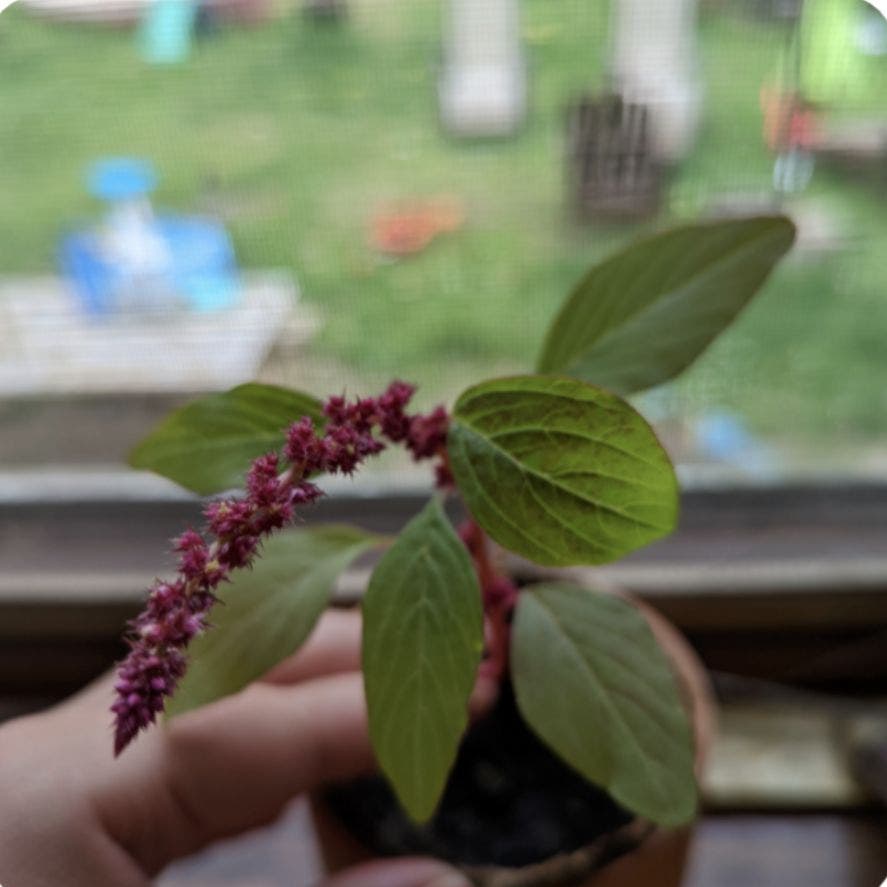
💧 How Much Humidity Does My Joseph's Coat Need?
Amaranthus tricolor
By the Greg Editorial Team
Feb 11, 2024•4 min read
This article was created with the help of AI so we can cover more plants for you. May contain errors. See one? Report it here.
- Ideal humidity: 40-60% for Joseph's Coat's vibrant leaves and health.
- 🌡️ Monitor with hygrometers or the ice cube glass test.
- Seasonal care adjustments ensure year-round plant happiness.
Dialing in the Perfect Humidity for Joseph's Coat
🌿 What's the Sweet Spot?
Joseph's Coat plants revel in humidity. They thrive best when the air moisture levels are between 40-60% relative humidity. This range is the sweet spot that keeps their leaves vibrant and healthy without crossing into the danger zone of excessive dampness.
🌱 Why Humidity Matters
Leaf health and color vibrancy in Joseph's Coat are directly tied to humidity. Too low, and the leaves may become dry and brittle; too high, and you risk fungal infections or leaf rot. Maintaining the right humidity is crucial for the plant's overall well-being.
🌧 Quick Peek at Relative Humidity
Relative humidity is the measure of water vapor in the air relative to the temperature. For Joseph's Coat, think of it as the plant's comfort gauge. It's essential to understand and control this aspect to prevent your plant from becoming a crispy critter or a moldy mess.
Keeping Tabs on Your Home's Humidity
🌡️ Tools of the Trade
Monitoring your home's humidity levels is crucial for the well-being of your Joseph's Coat. Hygrometers are the go-to devices for this task, providing accurate readings of moisture in the air. They're as straightforward to use as a thermometer. For a less techy approach, the ice cube glass test can offer a quick, albeit less precise, snapshot of your indoor humidity.
💨 Factors Affecting Your Indoor Jungle
Your home's humidity can be a fickle friend, influenced by a variety of factors. Sunlight and drafts can dramatically alter moisture levels, turning your living room into a desert or a rainforest with little warning. Your HVAC system plays a big role too, with air conditioning filters needing regular cleaning to maintain balance. The kitchen and bathroom are typically the hotspots for humidity, so keep an eye on these areas. Remember, what's good for you might not be ideal for your Joseph's Coat.
Humidity Hacks for Your Joseph's Coat
💦 When to Turn Up the Moisture
Joseph's Coat thrives in humid conditions, so let's get that moisture up. Group plants together to create a microclimate; their collective transpiration will work wonders. A humidifier can be your high-tech savior, just keep it at a safe distance to avoid overdoing it. Pebble trays are a low-tech alternative—just fill a tray with water and pebbles, and place your plant on top. The evaporating water will gently increase humidity.
🌬 Bringing Down the Dampness
Too much of a good thing can be bad, especially when it comes to humidity. If your plant's leaves start to look more like a swamp than a garden, it's time to ventilate. Open a window or get a fan moving to circulate the air. Dehumidifiers can pull excess moisture out of the air, and plants like Peperomia can help balance the environment by absorbing some of the humidity. Remember, it's all about finding that sweet spot.
Tailoring Your Care to the Seasons
🌦️ Seasonal Shifts in Humidity
Adjusting your humidity strategies with the changing seasons is crucial for the well-being of your Joseph's Coat.
🌸 Spring and Summer Care
In spring, Joseph's Coat will likely appreciate the natural increase in humidity. However, as summer heat intensifies, indoor air can become arid. Increase watering and consider a humidifier to compensate for the loss of moisture.
🍂 Autumn Adjustments
Autumn may bring cooler, damper air, allowing you to reduce your humidity-boosting efforts. Keep a watchful eye on the weather and adjust accordingly.
❄️ Winter Watchfulness
Winter's indoor heating can turn your home into a desert, demanding a humidity hike. Grouping plants or using a humidifier can help maintain a stable microclimate for your Joseph's Coat.
Environmental Awareness: Know Your Space
Remember, a small space retains moisture better than a large one. Tailor your approach to the size and layout of your growing area to avoid overdoing it.
Monitoring and Adjusting Humidity
It's essential to monitor humidity levels throughout the day to understand the full scope of fluctuations. Use a hygrometer to keep track of changes and adjust your care routine as needed.
Humidity Hacks
- Humidifier: Your go-to for dry spells.
- Plant grouping: Creates a mini ecosystem.
- Pebble trays: Simple yet effective.
- Ventilation: To combat excess moisture.
- Seasonal watering: Adjust the amount based on humidity levels.
Remember, your Joseph's Coat doesn't take a break with the seasons, so neither should you. Stay observant, flexible, and ready to dance with the weather.
⚠️ Safety First
This content is for general information and may contain errors, omissions, or outdated details. It is not medical, veterinary advice, or an endorsement of therapeutic claims.
Always consult a qualified healthcare professional before using any plant as food, medicine, or supplement.
Never eat any plant (or feed one to pets) without confirming its identity with at least two trusted sources.
If you suspect poisoning, call Poison Control (800) 222-1222, the Pet Poison Helpline (800) 213-6680, or your local emergency service immediately.
Spotted an error? Please report it here.
Keep your Joseph's Coat in peak condition with the perfect 40-60% humidity and let Greg fine-tune 🔄 your plant's care by tracking and adjusting to your home's unique environment throughout the day!