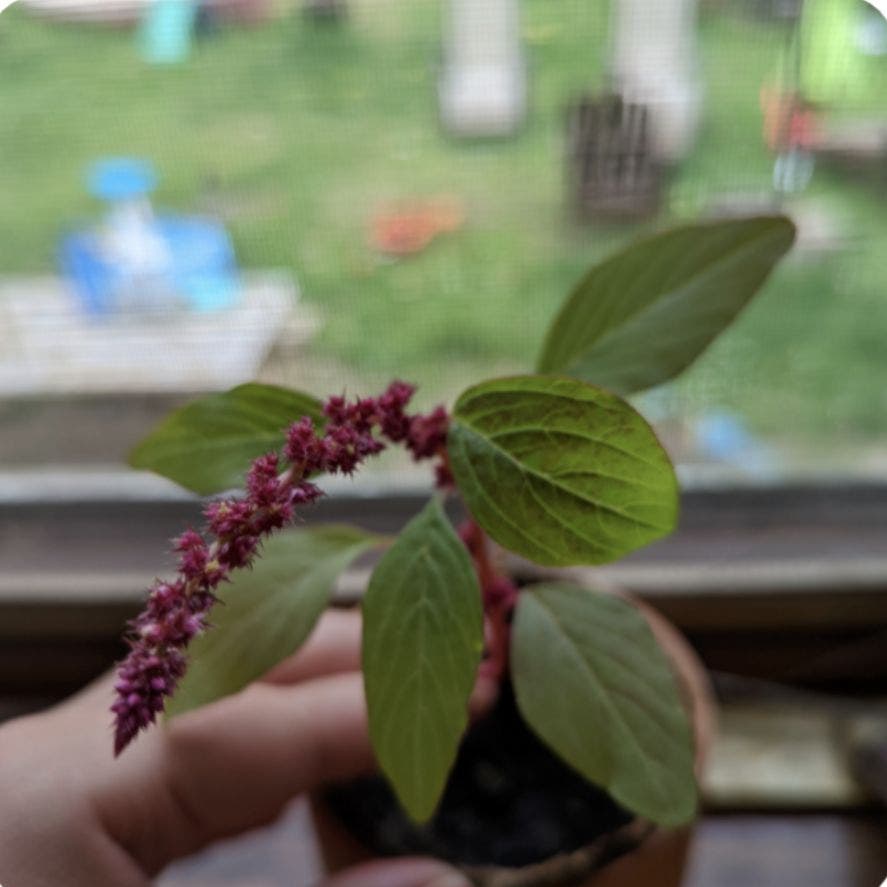
How Do I Know When My Joseph's Coat Needs Water?
Amaranthus tricolor
By the Greg Editorial Team
Feb 11, 2024•4 min read
This article was created with the help of AI so we can cover more plants for you. May contain errors. See one? Report it here.
- Drooping leaves? Time to water your Joseph's Coat.
- Seasons change, so does watering - more in summer, less in winter.
- Observe and adapt - fine-tune watering to your plant's unique needs.
Spotting a Thirsty Joseph's Coat
🚨 Visual SOS Signals
Drooping leaves are a tell-tale sign that your Joseph's Coat needs water. If your plant's leaves are hanging like limp noodles, it's time to take action.
Color changes in the leaves can be a silent alarm for dehydration. Keep an eye out for leaves that lose their vibrancy or start to yellow; they're signaling distress.
👆 The Touch Test
The soil's moisture can be gauged with a simple finger test. If the soil feels dry to the touch and doesn't stick to your finger, your plant is thirsty.
Lifting the pot can give you a quick hydration hint. A lighter pot often means the soil is dry and your Joseph's Coat could use a drink.
Crafting the Perfect Watering Schedule
💧 Seasonal Watering Rhythms
Summer means more water for your Joseph's Coat, as it's prime growing time. Winter, on the other hand, calls for restraint; your plant's thirst diminishes with the mercury.
🌱 Growth spurts and sleepy times
During active growth, your Joseph's Coat is like a teenager after sports practice—always hungry, or in this case, thirsty. When growth slows, it's like it's entered couch potato mode; water less.
🌍 Environmental Tango
Light, temperature, and humidity all join hands to determine your watering schedule. It's a delicate balance, a dance if you will, that requires attention to each partner.
🏡 Home sweet home
Your indoor climate is unique, like a fingerprint. Adapt your watering to the rhythm of your home environment—it could be the Sahara or the Amazon in there.
The Right Way to Water
💦 The Soaking Method
Watering your Joseph's Coat isn't a sprinkle-and-dash affair. Deep watering is the game-changer your plant craves. It's simple: drench the soil until you've got a mini Niagara Falls pouring from the drainage holes. This isn't just a sip; it's a full-on gulp for your plant's roots, ensuring every inch gets the hydration it needs.
Wait for the water to drain completely before considering the job done. This method prevents the dreaded root rot and mimics the natural rainfall your Joseph's Coat would love if it weren't living on your windowsill.
🕳️ The Drainage Drill
Your plant's pot needs to be the right kind of holey. Drainage holes are non-negotiable; they're the escape route for excess water. Without them, you're throwing a pool party in your pot, and trust me, Joseph's Coat doesn't swim.
After watering, keep an eagle eye on the saucer underneath. Empty it if it's holding water like a dog hoarding treats. Roots need air as much as they need water, and a soggy bottom is the enemy of both. If you're the type to forget, consider pots that self-regulate moisture levels. Or, you know, set a reminder on your phone.
Soil and Pot Partnerships
🌱 Choosing the Best Soil Mix
Joseph's Coat plants thrive in well-drained, nutrient-rich soil. To hit the mark, mix potting soil with ingredients like perlite or coarse sand. This combo creates a fast-draining foundation that prevents water from overstaying its welcome. Organic matter is your friend here; it's like a slow-release nutrient banquet for your plant's roots.
🏺 Selecting the Perfect Pot
The right pot is a game-changer for your Joseph's Coat. Terracotta pots are a classic choice, offering breathability and enhancing soil drainage. Ensure the pot size matches your plant's current stage; too big, and you risk waterlogging, too small, and you'll stifle growth. Always opt for pots with drainage holes—they're non-negotiable for preventing root rot. Adding a layer of pebbles at the bottom isn't just for show; it's an extra step to keep those roots happy and dry.
When to Tweak Your Technique
🌱 Observing and Adapting
Listening to your Joseph's Coat is key to mastering its watering needs. Like a good conversation, it's a two-way street; your plant gives feedback, and you adjust accordingly. If the leaves perk up after a drink, you've hit the sweet spot. On the flip side, if you're greeted by a droopy demeanor, it's time to ease up on the hydration.
Fine-tuning the flow of water is an ongoing process. Your Joseph's Coat's thirst varies with seasons, growth phases, and environmental changes. A heatwave might call for more frequent watering, while cooler periods warrant restraint. Stay vigilant and be ready to pivot your watering strategy as swiftly as a cat on the prowl.
Remember, there's no one-size-fits-all approach. Each Joseph's Coat plant may have its own preferences, and what works for one might not work for another. Keep an eye on the soil moisture, and let it guide you more than any preset schedule could. If you're ever in doubt, remember that it's better to underwater than to overdo it; Joseph's Coat can bounce back from a bit of thirst much easier than from root rot.
⚠️ Safety First
This content is for general information and may contain errors, omissions, or outdated details. It is not medical, veterinary advice, or an endorsement of therapeutic claims.
Always consult a qualified healthcare professional before using any plant as food, medicine, or supplement.
Never eat any plant (or feed one to pets) without confirming its identity with at least two trusted sources.
If you suspect poisoning, call Poison Control (800) 222-1222, the Pet Poison Helpline (800) 213-6680, or your local emergency service immediately.
Spotted an error? Please report it here.
Keep your Joseph's Coat thriving 🌿 with Greg's personalized reminders that adapt to your plant's changing thirst levels through the seasons and growth phases.