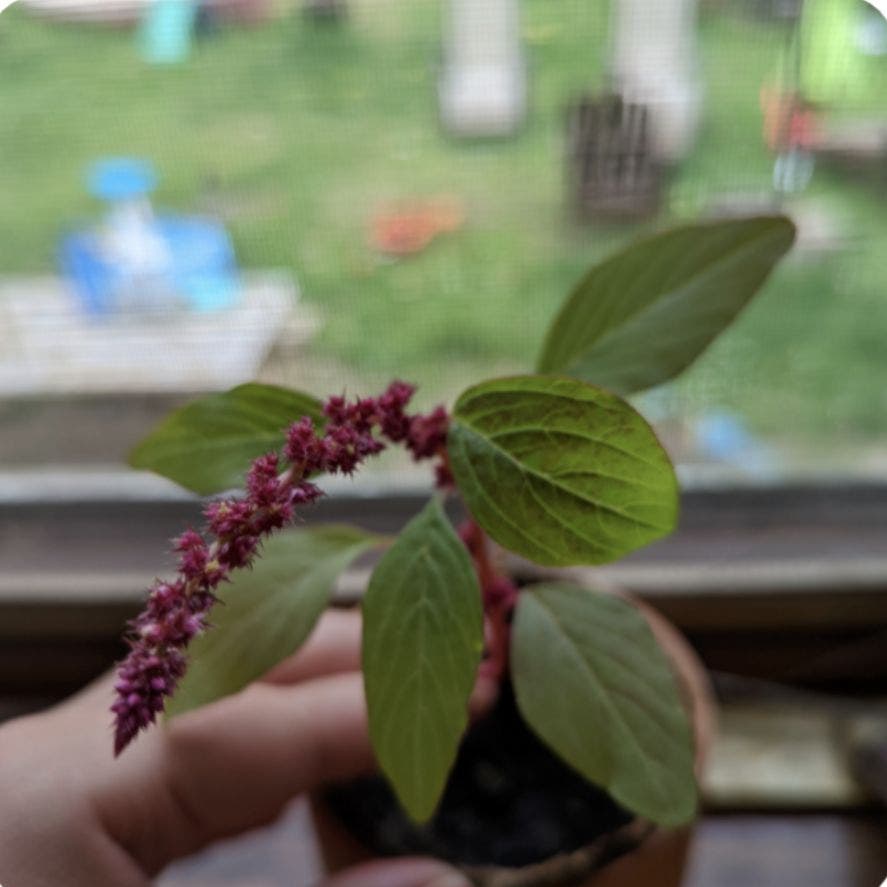
Joseph's Coat Fertilizer: How and When to Use It
Amaranthus tricolor
By the Greg Editorial Team
Feb 11, 2024•5 min read
This article was created with the help of AI so we can cover more plants for you. May contain errors. See one? Report it here.
- Balanced 10-10-10 NPK ratio is ideal for Joseph's Coat vibrant health.
- Fertilize in growing season; ease up in fall/winter for energy conservation.
- Lush foliage and vigorous growth signal successful fertilization.
Picking the Right Fertilizer for Your Joseph's Coat
💡 Understanding NPK Ratios
Nitrogen, Phosphorus, and Potassium are the trinity of plant nutrition. For Joseph's Coat, a balanced NPK ratio, think 10-10-10, is your golden ticket. It's like a well-rounded diet for your plant, ensuring vibrant foliage and hearty growth.
💫 Micronutrients Matter Too
While NPK grabs the headlines, don't sleep on the micronutrients. Iron, calcium, and magnesium are the unsung heroes, vital for your Joseph's Coat's health. Check the 'Guaranteed Analysis' on your fertilizer to make sure it's not just a one-trick pony.
Timing is Everything: When to Fertilize Joseph's Coat
⏰ Growth Stages and Fertilizer Timing
Joseph's Coat plants have active and dormant growth periods, which dictate your fertilizing schedule. During the growing season, typically spring through summer, your plant is in its element, stretching out leaves and demanding nutrients. This is when you should fertilize regularly, following the product label for frequency and amount.
In contrast, the dormant period, often in the cooler months, requires a hands-off approach. Withhold fertilizer to allow your plant to rest. This is the plant's version of hibernation, and just like you wouldn't serve a full dinner to a sleeping person, you don't feed a dormant plant.
🌱 Seasonal Fertilization Tips
🌸 Spring Awakening
As the days get longer, Joseph's Coat shakes off its winter slumber. Kickstart growth with a dose of fertilizer as new leaves appear. This early boost is like a morning coffee for your plant, setting it up for a season of lush, vibrant foliage.
☀️ Summer Upkeep
Keep the momentum going through summer. Maintain a consistent fertilizing schedule to support your plant's active lifestyle. It's like keeping the fridge stocked for a teenager in a growth spurt—necessary and non-negotiable.
🍂 Fall and Winter Care
As the air cools and growth slows, it's time to ease up on the fertilizing. Reduce frequency gradually as fall progresses, and by winter, stop altogether. This lets your Joseph's Coat wind down and conserve energy for the next season's display.
Fertilizing Techniques for a Happy Joseph's Coat
💡 Dosage and Application Methods
Getting the dosage right is crucial for the health of your Joseph's Coat. Overdo it, and you risk damaging your vibrant plant. Underdo it, and you might as well be whispering sweet nothings to your soil. Stick to the package directions for a safe bet, but keep an eye on your plant's response and adjust accordingly.
Best practices for fertilizer application are simple yet vital. Uniform distribution is key—think of it as ensuring every leaf gets an invite to the nutrient party. Whether you're using granulated, liquid, or slow-release fertilizers, make sure to apply them evenly across the soil surface.
🍽️ Potted vs. Garden: Adapting Your Approach
For potted plants, your approach should be as tailored as a bespoke suit. The limited soil means a concentrated area for feeding, so be precise with the amount. A slow-release fertilizer can be a game-changer here, providing a steady diet over time.
In garden settings, you're playing on a bigger field. Ensure even distribution by broadcasting granular fertilizer around the plant base or using a watering can for liquid types. Remember, it's about reaching the roots without crowding the plant's personal space.
Recognizing Success: Signs of Proper Fertilization
🌈 Lush and Colorful Foliage
Joseph's Coat plants, with their kaleidoscopic leaves, are the prima donnas of the plant world. They demand the spotlight. When you've nailed the fertilization routine, their foliage parades a spectrum of colors that are a feast for the eyes. Look for leaves that are thick, robust, and curling just slightly at the tips. A consistent color without spots or blights is your green badge of honor.
💥 Vigorous Growth and Blooming
A well-fertilized Joseph's Coat doesn't just sit pretty—it grows with gusto. You'll see new shoots springing to life, a sign that your plant is not just surviving, but thriving. And when blooms make their rare appearance, it's like a standing ovation for your gardening prowess. Remember, vibrant growth and the occasional flower are the plant's way of giving you a high-five.
Dealing with Too Much of a Good Thing: Over-Fertilization
🚨 Spotting the Telltale Signs
In the world of Joseph's Coat, over-fertilization is like a silent alarm that only the observant gardener can hear. Watch for leaf discoloration, such as yellowing or browning, which screams "too much!" Also, keep an eye out for stunted growth or a crusty buildup of fertilizer salts on the soil surface. These signs are your cue to act, not ponder.
💡 Quick Fixes and Long-Term Solutions
Caught your Joseph's Coat with its leaves down? Stop fertilizing immediately. If you see excess fertilizer, remove it. Then, flush the soil with water to dilute the nutrient overload; repeat this every few days. Trimming damaged foliage can help the plant recover without wasting energy on lost causes.
For long-term health, adopt a less-is-more approach. Stick to the recommended dosage and frequency of fertilizer application. Regularly flushing the pot or soil can prevent salt buildup, keeping your plant's roots happy and functional. Remember, consistency beats a feast-or-famine approach when it comes to feeding your plants.
⚠️ Safety First
This content is for general information and may contain errors, omissions, or outdated details. It is not medical, veterinary advice, or an endorsement of therapeutic claims.
Always consult a qualified healthcare professional before using any plant as food, medicine, or supplement.
Never eat any plant (or feed one to pets) without confirming its identity with at least two trusted sources.
If you suspect poisoning, call Poison Control (800) 222-1222, the Pet Poison Helpline (800) 213-6680, or your local emergency service immediately.
Spotted an error? Please report it here.
Ensure your Joseph's Coat dazzles with vibrant foliage by using Greg to schedule 📅 your fertilizing routine, avoiding over or underfeeding your plant!