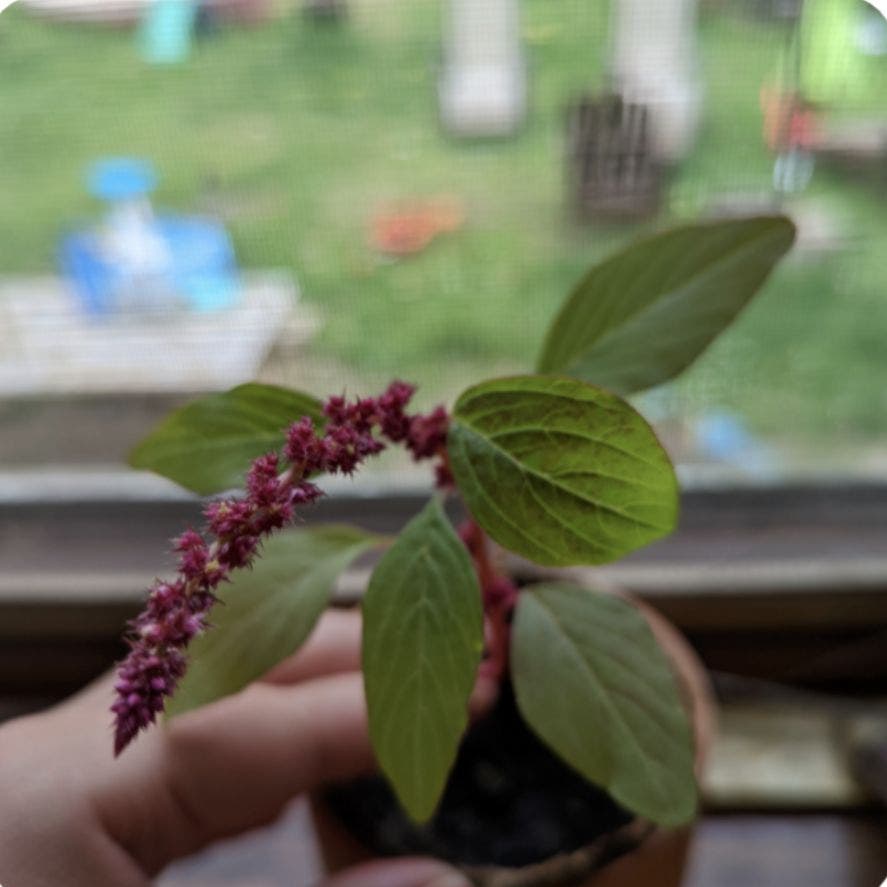
Why Are My Joseph's Coat Leaves Dropping?
Amaranthus tricolor
By the Greg Editorial Team
Feb 11, 2024•3 min read
This article was created with the help of AI so we can cover more plants for you. May contain errors. See one? Report it here.
- Over/underwatering causes leaf drop, check soil moisture before watering.
- Bright, indirect sunlight is key; avoid direct sun to prevent leaf burn.
- Stable temperatures and humidity help prevent stress and leaf loss.
Pinpointing the Culprits Behind the Leaf Drop
💧 Too Much Love: Overwatering Woes
Yellow leaves and soggy soil are telltale signs your Joseph's Coat might be drowning in excess water. To rescue your plant, unblock drainage holes and let the soil dry before the next watering. Consider switching to a well-draining soil mix to prevent future overwatering.
🏜️ Thirsty for Attention: Underwatering Troubles
If the leaves of your Joseph's Coat are dry and crispy, it's a sign of thirst. Before reaching for the watering can, check if the top inch of soil is dry. Adjust your watering routine, ensuring the plant gets a consistent amount of water, but not too much.
🌞 Craving the Perfect Sunbeam: Light Issues
Inadequate light will make your Joseph's Coat's leaves stretch out or fade in color. Find a spot with bright, indirect sunlight; too much sun can scorch, too little can weaken. If natural light is scarce, consider artificial lighting to keep your plant healthy.
🌡️ Feeling Hot and Cold: Temperature Stress
Joseph's Coat prefers a stable environment. Sudden temperature changes can stress your plant. Use a thermometer to monitor the environment, aiming for a Goldilocks zone—not too hot, not too cold. Keep your plant away from drafty windows and direct heat sources to maintain a consistent temperature.
First Aid for Fallen Leaves
💧 Adjusting Water Habits
Overwatering and underwatering can both lead to leaf drop in Joseph's Coat. To strike the right balance:
- Check the soil moisture before watering; it should feel like a wrung-out sponge.
- Allow the top inch of soil to dry out before the next watering.
- Observe your plant's reaction after adjusting your watering schedule; leaves should start to perk up.
☀️ Optimizing Light and Location
Joseph's Coat craves bright light but not the harsh midday sun. To ensure it gets the right amount:
- Move your plant to a spot with bright, indirect sunlight.
- Avoid direct sunlight to prevent leaf burn.
- Gradually transition your plant to new lighting conditions over several days to prevent shock.
🌡️ Temperature Control Tactics
Stable temperatures are key to preventing Joseph's Coat from shedding leaves. Here's how to maintain a comfy environment:
- Keep the temperature consistent, avoiding drafts and sudden changes.
- During winter, water less as the plant's growth slows down.
- Consider a humidifier if your home's air is too dry, especially in winter months.
Keeping the Leaves Lush: Prevention Strategies
💧 Consistent Care Schedule
Establishing a routine for watering and feeding your Joseph's Coat is like setting a dinner schedule for a pet; it thrives on predictability. Water when the top inch of soil feels like a dry martini—dry. Feed it with the regularity of a favorite TV show; mark your calendar for fertilization appointments.
👩⚕️ Monitoring Plant Health
Regular check-ups are the plant equivalent of a yearly physical. Peek under the leaves, inspect the soil, and be on the lookout for uninvited guests—pests. Early detection can save your plant from turning into a botanical horror story.
🍂 Seasonal Adjustments
Your plant doesn't need a weather app to know the seasons are changing; it feels it in its leaves. Cut back on water as if it's January and you're on a post-holiday diet. When summer hits, hydrate like there's no tomorrow—within reason. Adjust your care to match the seasonal vibes.
⚠️ Safety First
This content is for general information and may contain errors, omissions, or outdated details. It is not medical, veterinary advice, or an endorsement of therapeutic claims.
Always consult a qualified healthcare professional before using any plant as food, medicine, or supplement.
Never eat any plant (or feed one to pets) without confirming its identity with at least two trusted sources.
If you suspect poisoning, call Poison Control (800) 222-1222, the Pet Poison Helpline (800) 213-6680, or your local emergency service immediately.
Spotted an error? Please report it here.
Ensure your Joseph's Coat stays radiantly robust 🌈 with Greg's tailored watering reminders and light positioning tips, keeping those leaves firmly in place!