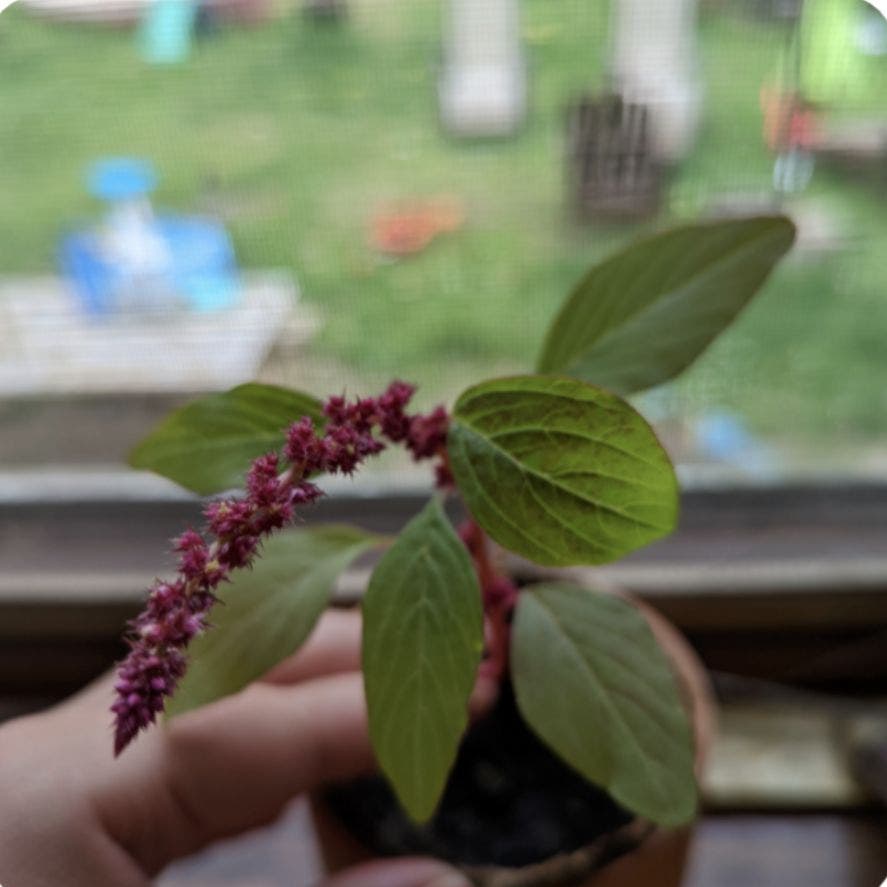
How to Get a Joseph's Coat to Bloom
Amaranthus tricolor
By the Greg Editorial Team
Feb 11, 2024•4 min read
This article was created with the help of AI so we can cover more plants for you. May contain errors. See one? Report it here.
- Bright morning light is key for Joseph's Coat blooming.
- Prune and deadhead to focus energy on flowers, not leaves.
- Feed with phosphorus-rich fertilizer before and during bloom season.
Light: The Bloom Igniter
💡 Right Amount, Right Time
Joseph's Coat craves bright light to unleash its blooming potential. Indoors, position it near a window that bathes it in generous but indirect sunlight. Morning light is particularly beneficial, offering the intensity needed without the harshness of midday rays. Rotate the plant regularly to ensure even exposure and prevent lopsided growth.
💡 Quality Matters
The quality of light can make or break your Joseph's Coat's flowering journey. Full spectrum grow lights mimic natural sunlight and can be a game-changer, especially in less-than-ideal indoor conditions. Use them to supplement natural light, and consider a timer to maintain a consistent light cycle. This consistent "day and night" rhythm is crucial for signaling your plant to enter its bloom phase.
Pruning: Shaping for Showy Blooms
✂️ Strategic Snips
Pruning isn't just a trim; it's essential for a Joseph's Coat's blooming success. By snipping above a leaf node, you're sending a clear signal: it's time to grow some flowers. Strategic cuts redirect the plant's energy from leaves to buds, setting the stage for a vibrant floral display. Remember, it's a delicate balance—too much, and you'll stress the plant, too little, and you'll get a leafy green bush with nary a bloom.
Techniques for Pruning to Enhance Flowering
Start with sharp shears to avoid mangling stems. Shape the plant by removing dead or damaged growth; this not only cleans up the appearance but also prevents the plant from wasting resources. Pinch and shear for a tidy look, and don't be afraid to cut back vigorous vines. More branches mean more potential blooms, so encourage branching by trimming shoot tips.
After the Bloom
Once your Joseph's Coat has put on its show, the work isn't over. Deadheading, or removing spent blooms, is like a pep talk for the plant, urging it to produce more flowers. Keep an eye out for old, yellowing leaves and snip them off to maintain the plant's focus on the fresh and flowering. This isn't just cleanup; it's a crucial step in the cycle of bloom, rest, and rebloom.
Feeding Your Joseph's Coat for Fabulous Flowers
💐 Nutrient Needs for Blooms
Joseph's Coat craves specific nutrients to burst into bloom. Phosphorus and potassium are the VIPs for flowering, nudging your plant from leafy to showy. While nitrogen is great for foliage, it's the P and K that really get the party started in the bloom department.
Choose a fertilizer with a higher phosphorus content, like a 2-3-1 ratio, to encourage those vibrant blooms. Organic options are available if you're not into synthetics. Remember, balance is key—too much of a good thing can lead to a nutrient hangover for your plant.
🕰 Timing is Everything
When it comes to fertilization, timing isn't just a suggestion—it's the rule. Start feeding your Joseph's Coat a couple of months before the main event: the blooming season. Stick to monthly feedings, but don't get heavy-handed; overfeeding is like stuffing your plant with a Thanksgiving feast daily.
During the growing season, keep the nutrients coming. But when your plant hits the snooze button in its dormant phase, give the fertilizer a rest. It's napping, after all. And nobody likes to be woken up with a plate of food when they're trying to sleep.
Overcoming Bloom Blockers
🌞 Common Culprits
Light can make or break your Joseph's Coat's blooming ambitions. Too little and it's stuck in a vegetative limbo; too much and you're flirting with leaf burn. Aim for that goldilocks zone of bright, indirect sunlight.
Watering is a high-stakes game of balance. Overwatering invites root rot, while underwatering stresses your plant out of its flowering phase. Keep the soil moist, but not waterlogged, and let the top inch dry out before going in with your watering can.
🛠 Quick Fixes
If your Joseph's Coat is throwing a bloom-less tantrum, consider a phosphorus-rich fertilizer. It's like a pep talk for your plant's flowering potential. But don't go overboard—too much and you'll end up with a bushy plant that's all leaves, no show.
Pruning isn't just for aesthetics. Strategic snips can redirect energy to the buds, encouraging blooms. Think of it as tough love for your plant.
🐜 Pests and Diseases
Pests like aphids and spider mites are the uninvited guests at your plant's bloom party. Show them the door with insecticidal soap or neem oil before they crash it for good.
Diseases can be sneakier, often going unnoticed until it's too late. Keep an eye out for unusual spots or wilting and act fast. Sometimes, the best defense is a good quarantine for new plants that might bring pests or diseases as plus-ones.
Remember, patience is key. Plants, like people, have their own timelines. Give your Joseph's Coat the care it needs, and in time, it'll reward you with a floral spectacle worth the wait.
⚠️ Safety First
This content is for general information and may contain errors, omissions, or outdated details. It is not medical, veterinary advice, or an endorsement of therapeutic claims.
Always consult a qualified healthcare professional before using any plant as food, medicine, or supplement.
Never eat any plant (or feed one to pets) without confirming its identity with at least two trusted sources.
If you suspect poisoning, call Poison Control (800) 222-1222, the Pet Poison Helpline (800) 213-6680, or your local emergency service immediately.
Spotted an error? Please report it here.
Achieve breathtaking blooms 🌈 with Greg's tailored care plan, ensuring your Joseph's Coat gets the perfect mix of light, pruning, and nutrients.