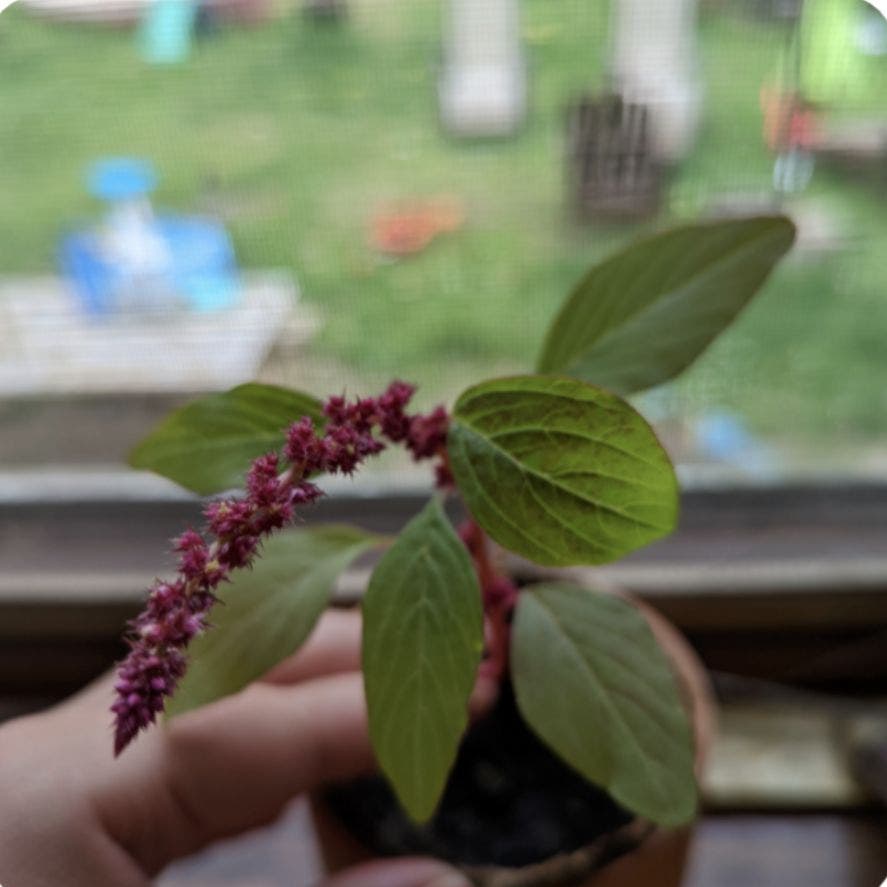
Why Are My Joseph's Coat Leaves Droopy? 😔
Amaranthus tricolor
By the Greg Editorial Team
Feb 11, 2024•4 min read
This article was created with the help of AI so we can cover more plants for you. May contain errors. See one? Report it here.
- 🌧️ Overwatering causes root rot: let soil dry out completely.
- 🌞 Adjust light and temperature: Joseph's Coat needs balance.
- 💧🌡️ Water and fertilize carefully: check soil and use slow-release nutrients.
Spot the Signs: When Your Joseph's Coat Starts to Slump
🌊 Overwatering Woes
Yellow leaves and mushy stems at the soil line scream overwatering. If the soil smells like a swamp and your plant's roots are darker than your morning coffee, you've got root rot on your hands.
To rescue an overwatered Joseph's Coat, stop watering immediately. Let the soil dry out completely. If the pot's drainage is as poor as a blocked sink, repot with fresh, well-draining soil.
🏜️ Thirsty Plant Problems
Crispy leaf edges and inward curling are your plant's way of saying, "I'm parched!" If the soil is drier than a stand-up comedian's wit, it's time to water.
For rehydration, think of it as a spa day for your plant. Water slowly and thoroughly, allowing the soil to absorb moisture without flooding. Keep the water at room temperature to avoid shocking your green buddy.
🌞 Light: Finding the Sweet Spot
Leaves as pale as a ghost? Your Joseph's Coat might be sun-starved. On the flip side, leaves that look sunburnt are a sign of too much light.
Adjust the sunbathing routine gradually. Start with indirect light and slowly introduce more sun to avoid leaf burn. Think of it as a plant tan, not a sunburn.
🌡️ Temperature Tantrums
If your plant is dropping leaves like it's hot, it might actually be too hot or too cold. Joseph's Coat prefers it as temperate as a spring day.
To create a cozy environment, keep your plant away from drafts and direct heat sources. Think of it as setting the perfect room temperature for a nap – not too hot, not too cold.
Watering Wisdom: Striking the Right Balance
💧 Perfecting Your Pour
Determining the ideal watering schedule for your Joseph's Coat is more about touch than time. Check the soil an inch deep; if it's dry, it's time to water. Do it thoroughly, letting water run free from the drainage holes, then allow it to drain completely. No soggy soil allowed here.
🚰 The Perils of Poor Drainage
Well-draining soil is non-negotiable for Joseph's Coat. Ensure your pot has drainage holes to let excess water escape. If you're dealing with a chronic case of overwatering, consider repotting with a gritty mix that retains some moisture but doesn't turn into a swamp. Remember, wet feet are a no-go for your plant's roots.
Light and Temperature: The Comfort Zone
💡 Lighting It Right
Joseph's Coat plants demand bright light for most of the year, but not so much that they're baking in the sun. During winter, they prefer a partial sun setup to avoid the stress of low light conditions. Think of it as their off-season, where they're still training but not going for the gold just yet.
🌡️ Keeping It Cool (But Not Too Cool)
When it comes to temperature, Joseph's Coat likes it as stable as your favorite coffee shop's Wi-Fi. Aim for a steady range between 65-78°F (18-25°C), avoiding the drama of temperature swings. Keep them away from drafts or heat sources that could throw them into a temper tantrum. Remember, these plants are not fans of change – they like their environment as consistent as your morning routine.
Feeding Finesse: Nutrients for Vigor
💡 Spotting Nutrient Deficiencies
Yellow leaves on your Joseph's Coat aren't just a fashion statement—they're a distress signal for nitrogen. Spindly growth? Your plant could be pining for potassium. Micronutrient mishaps manifest as spotting or yellowing, hinting at a manganese or magnesium miss. It's like your plant is silently mouthing "feed me," and it's your cue to listen up.
🍽️ Crafting the Perfect Diet
Fertilizer is your plant's version of a well-rounded diet. Think of it as meal prep for your Joseph's Coat. A balanced slow-release fertilizer, such as a 12-6-6 mix with micronutrients, is the ticket to vibrant growth. Apply it as directed—usually a couple of pounds per 100 square feet of soil. In the growing season, a light application three times should do the trick. And remember, overfeeding is as bad as skipping meals. Keep an eye out for brown leaf margins, a telltale sign of too much love. Adjust your fertilizing frequency with the seasons and your plant's growth stage. It's about precision and care, not just dumping in nutrients.
⚠️ Safety First
This content is for general information and may contain errors, omissions, or outdated details. It is not medical, veterinary advice, or an endorsement of therapeutic claims.
Always consult a qualified healthcare professional before using any plant as food, medicine, or supplement.
Never eat any plant (or feed one to pets) without confirming its identity with at least two trusted sources.
If you suspect poisoning, call Poison Control (800) 222-1222, the Pet Poison Helpline (800) 213-6680, or your local emergency service immediately.
Spotted an error? Please report it here.
Keep your Joseph's Coat perky 🌿 with Greg's tailored watering reminders, ensuring just the right amount of moisture for a vibrant, droop-free plant.