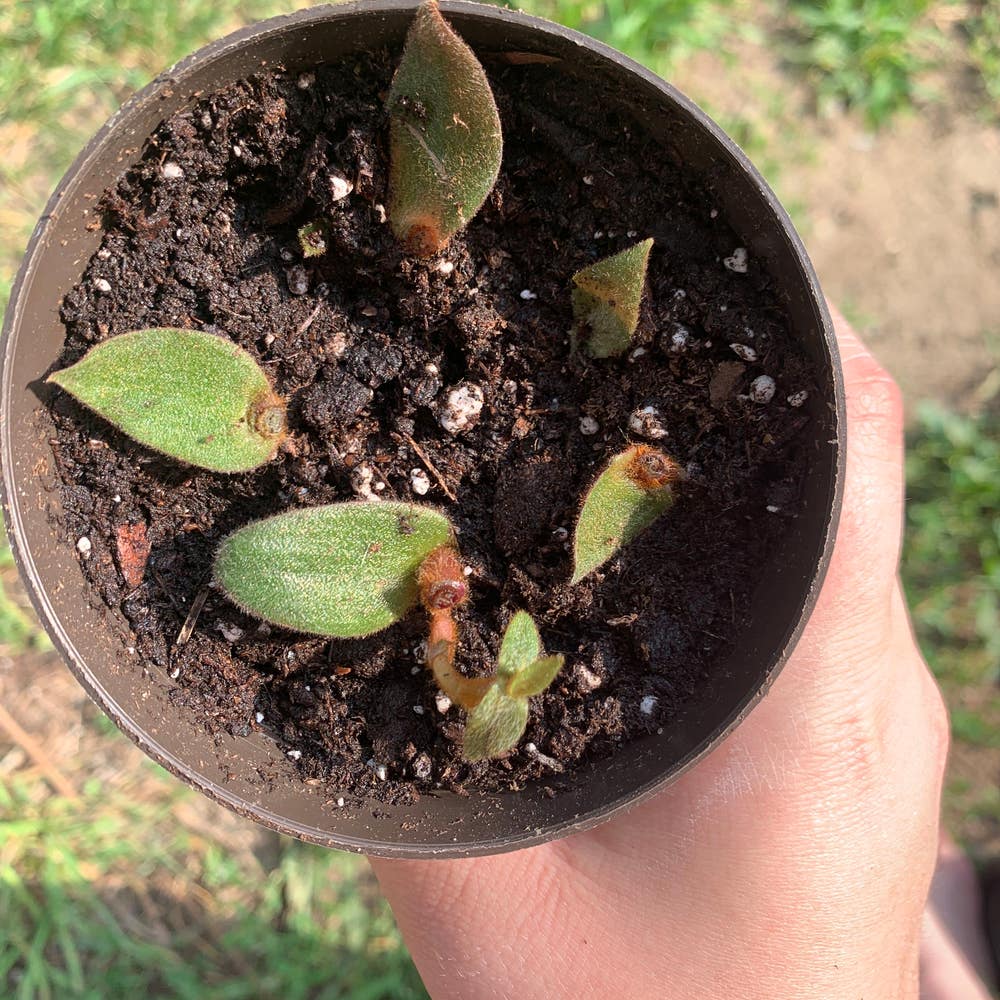
Ultimate Guide to Repotting Cyanotis 🪴
Cyanotis spp.
By the Greg Editorial Team
Jan 07, 2025•7 min read
This article was created with the help of AI so we can cover more plants for you. May contain errors. See one? Report it here.
Revitalize your Cyanotis by spotting repotting signs early and following our expert guide! 🌱🪴
- 🌱 Signs of root bound include roots out of drainage holes and quick soil drying.
- 🏺 Choose the right pot size to prevent excess moisture or restricted growth.
- 💧 Water thoroughly after repotting, but avoid overwatering to reduce stress.
Signs that Cyanotis Needs Repotting
Indicators of Root Bound Conditions 🌱
Recognizing when your Cyanotis needs repotting is crucial for its health. One of the first signs is roots growing out of drainage holes. This indicates that the plant has outgrown its pot and is seeking more space.
Another indicator is soil drying out too quickly. If you find yourself watering more frequently than usual, it may be time to consider a larger pot. Additionally, stunted growth or yellowing leaves can signal that the roots are cramped and unable to absorb nutrients effectively.
Other Signs of Repotting Needs 🏡
Beyond root-bound conditions, there are other signs to watch for. If your plant is becoming top-heavy or unstable, it’s a clear indication that it needs a new home.
You might also notice that you’re frequently watering due to soil compaction. Compacted soil can hinder water absorption, leading to stress for your Cyanotis. Lastly, visible roots on the surface of the soil suggest that the plant is desperate for more space.
Recognizing these signs early can help you maintain a thriving Cyanotis. If you notice any of these indicators, it’s time to prepare for repotting.
How to Assess Root Health Before Repotting
Checking Root Health 🌱
Before repotting your Cyanotis, it's crucial to check the root health. Start by gently removing the plant from its pot, taking care not to damage the roots.
Inspect the roots closely. Healthy roots should be white or light tan, indicating vitality. Look out for signs of rot, which appear as brown, mushy roots.
Also, evaluate the root density. If the roots are tightly entangled, it may signal that your plant is root-bound and in need of repotting.
Evaluating Soil Condition 🌍
Next, assess the soil condition. Check the soil texture and moisture retention by feeling it with your fingers.
If the soil feels compacted or retains too much moisture, it may hinder your plant's growth. Poor drainage can lead to root rot, so ensure the soil is suitable for your Cyanotis.
By thoroughly checking both root health and soil condition, you set the stage for a successful repotting experience. This careful evaluation helps ensure your plant thrives in its new environment.
Now that you know how to assess root health, let’s move on to the step-by-step guide for repotting your Cyanotis.
Step-by-Step Guide to Repotting Cyanotis
Repotting your Cyanotis can seem daunting, but with the right steps, it can be a straightforward process. Here’s a detailed guide to help you through it.
1. Gather Necessary Materials 🛠️
Before you start, make sure you have everything you need:
- A new pot with drainage holes
- Potting soil suitable for Cyanotis
- Tools: trowel, scissors, and gloves
2. Prepare the New Pot 🪴
Start by preparing your new pot. Add a layer of potting soil to the bottom to provide a base for your plant.
Ensure that the drainage holes are clear to prevent water from pooling at the bottom.
3. Remove the Cyanotis from Its Current Pot 🌱
Next, it’s time to remove your plant. Gently loosen the soil around the edges of the pot to make it easier to slide the plant out.
Carefully support the base of the plant as you slide it out, avoiding any damage to the roots.
4. Trim Any Damaged or Overly Long Roots ✂️
Once the plant is out, inspect the roots. Use clean scissors to trim back any damaged or overly long roots.
This step is crucial for promoting healthy growth in the new pot.
5. Place the Plant in the New Pot 🌍
Now, it’s time to position your Cyanotis in the new pot. Make sure to place it at the same depth as it was in the old pot.
Fill in around the plant with potting soil, ensuring there are no air pockets that could hinder root growth.
6. Water Thoroughly 💧
Finally, give your plant a good drink. Water it thoroughly until you see water draining from the bottom of the pot.
Be cautious not to overwater, as this can stress the plant and lead to root rot.
By following these steps, you’ll set your Cyanotis up for success in its new home. Ready to learn about common mistakes to avoid when repotting? Let’s dive into that next!
Common Mistakes to Avoid When Repotting
Repotting your Cyanotis can be a rewarding experience, but it’s easy to make mistakes that could harm your plant. Here are some common pitfalls to watch out for.
🚫 Not Using a Pot with Drainage Holes
One of the biggest mistakes is opting for a pot without drainage holes. Without proper drainage, excess water can accumulate, leading to root rot and other issues.
📏 Choosing the Wrong Pot Size
Selecting the wrong pot size can also be detrimental. A pot that’s too large can hold too much moisture, while one that’s too small can restrict root growth.
💧 Overwatering Immediately After Repotting
It’s tempting to give your newly repotted plant a good drink, but overwatering can stress the roots. Instead, water lightly and allow the plant to acclimate to its new environment.
🔍 Failing to Check Root Health
Before repotting, always inspect the root health. Neglecting this step can lead to transferring unhealthy roots into a new pot, which can hinder your plant's growth.
By avoiding these common mistakes, you can ensure a smoother repotting process and help your Cyanotis thrive. Next, let’s explore the best pot material options for your plant.
Pot Material Options for Cyanotis
Choosing the right pot material for your Cyanotis is crucial for its health and growth. Each material has its unique benefits and drawbacks, so let's break them down.
🎨 Ceramic Pots
Ceramic pots are known for their aesthetic appeal and excellent insulation properties. However, they can be quite heavy and may retain moisture, which could lead to overwatering issues.
🥤 Plastic Pots
Plastic pots are lightweight and affordable, making them a popular choice. They offer good drainage options but are less breathable and can heat up quickly in direct sunlight.
🍂 Terracotta Pots
Terracotta pots are highly breathable and provide excellent drainage, which is essential for Cyanotis. On the downside, they can dry out quickly and are more fragile than other materials.
🪣 Metal Pots
Metal pots bring a modern look and are durable, but they can overheat and often lack drainage holes. This can create a challenging environment for your plant if not monitored closely.
🌱 Biodegradable Pots
Biodegradable pots are eco-friendly and great for seedlings. However, they may break down too quickly, which can be a concern for long-term use.
Choosing the right pot material is about balancing aesthetics, functionality, and your plant's needs. Next, let’s explore the best potting soil considerations for your Cyanotis to ensure it thrives.
Potting Soil Considerations for Cyanotis
Importance of Aeration and Drainage in Potting Soil 🌬️
Proper aeration is crucial for preventing root rot in Cyanotis. When roots are suffocated by compacted soil, they struggle to absorb nutrients and water, leading to unhealthy plants.
Drainage is equally important, as Cyanotis is sensitive to overwatering. A well-draining potting mix ensures that excess moisture escapes, keeping the roots happy and healthy.
How to Create a Custom Potting Mix for Cyanotis 🧪
Creating a custom potting mix tailored for Cyanotis is straightforward. Follow these steps for a blend that promotes optimal growth:
Combine equal parts of:
- Peat moss
- Perlite
- Compost
Adjust for drainage by adding sand if necessary. This addition helps to enhance airflow and prevent water retention, ensuring your Cyanotis thrives.
With the right potting soil, your Cyanotis will flourish, setting the stage for a successful repotting experience. Next, let’s explore common mistakes to avoid when repotting to ensure your plant remains healthy and vibrant.
⚠️ Safety First
This content is for general information and may contain errors, omissions, or outdated details. It is not medical, veterinary advice, or an endorsement of therapeutic claims.
Always consult a qualified healthcare professional before using any plant as food, medicine, or supplement.
Never eat any plant (or feed one to pets) without confirming its identity with at least two trusted sources.
If you suspect poisoning, call Poison Control (800) 222-1222, the Pet Poison Helpline (800) 213-6680, or your local emergency service immediately.
Spotted an error? Please report it here.
Repotting your Cyanotis is a breeze 🌱 with Greg's tailored reminders and expert tips, ensuring your plant thrives in its new home while you avoid common pitfalls!