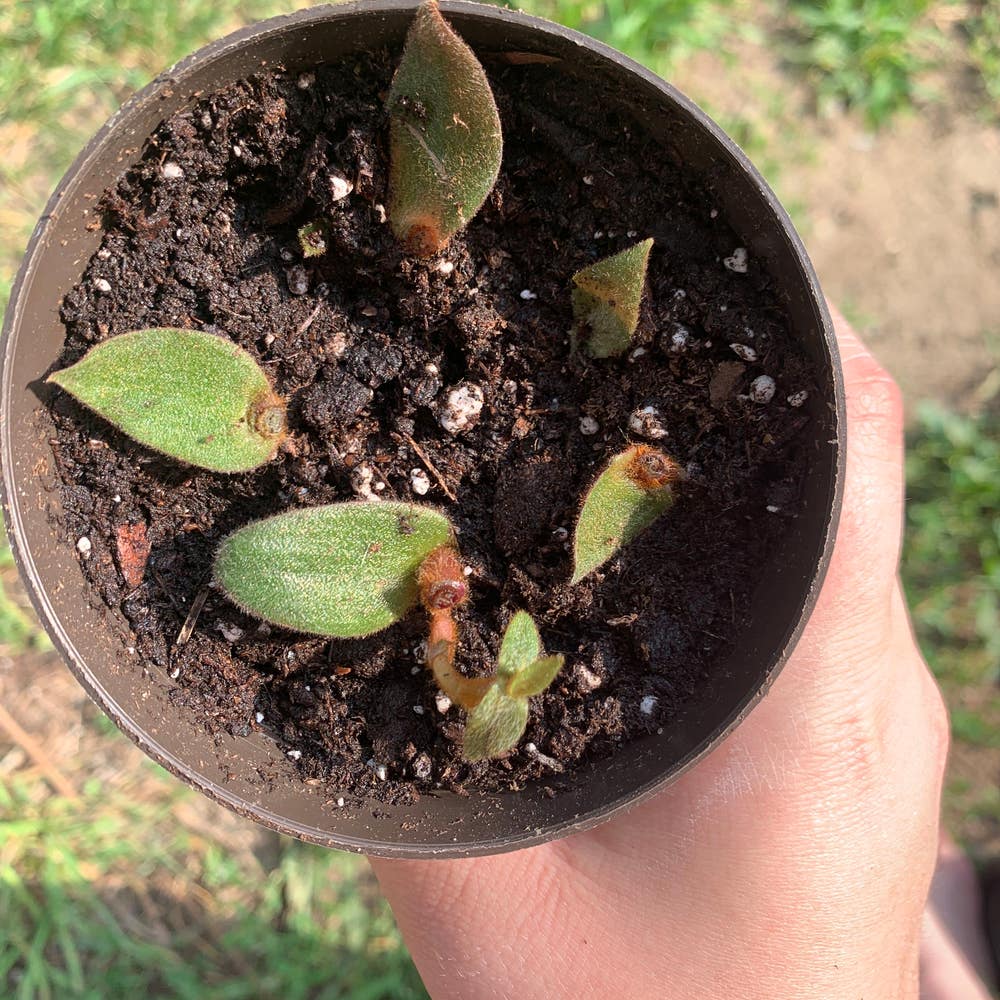
How to Cure Brown Spots on Your Cyanotis 🩹
Cyanotis spp.
By the Greg Editorial Team
Jan 07, 2025•5 min read
This article was created with the help of AI so we can cover more plants for you. May contain errors. See one? Report it here.
Revive your Cyanotis from brown spots 🌱 with essential care tips and treatments for a thriving plant!
- 🌞 Cyanotis needs 6-8 hours of indirect sunlight; too much direct light causes brown spots.
- 💧 Maintain humidity above 50% and water when the top inch of soil is dry.
- 🐛 Inspect regularly for pests like spider mites; use neem oil for effective control.
Diagnosing Brown Spots
🌍 Assessing Environmental Factors
Understanding the environmental conditions is crucial for diagnosing brown spots on your Cyanotis.
Light Conditions
Your plant thrives in indirect sunlight for 6-8 hours daily. If you notice bleached or scorched leaves, it’s a sign that your plant is getting too much light.
Humidity Levels
Cyanotis prefers humidity levels above 50% for optimal growth. Brown leaf tips and edges indicate that the humidity is too low.
Temperature
The ideal temperature range for your plant is between 20°C to 30°C (68°F to 86°F). If you see wilting or leaf drop, your plant may be experiencing temperature stress.
💧 Evaluating Watering Practices and Soil Conditions
Next, let’s evaluate your watering practices and soil conditions to pinpoint potential issues.
Watering Frequency
Water your Cyanotis when the top inch of soil feels dry. Overwatering can lead to soggy soil and root rot, so keep an eye out for these signs.
Soil Conditions
A well-draining potting mix with perlite is ideal for your plant. If you notice water pooling or root suffocation, it’s time to reassess your soil conditions.
🐛 Recognizing Pest Infestations and Their Impact on Leaves
Pests can also contribute to brown spots, so it’s essential to recognize their signs.
Common Pests
Look out for spider mites, which leave webbing and stippled leaves, and aphids, which create sticky residue and distorted growth.
Impact on Leaves
Pest infestations can lead to yellowing, browning, and eventual leaf drop.
Treatment Methods
To combat these pests, consider using insecticidal soap or neem oil for effective pest control.
By carefully assessing these factors, you can effectively diagnose the causes of brown spots on your Cyanotis. This understanding sets the stage for effective treatment and care. Next, we will explore treatment options to help restore your plant's health.
Treatment Options
Step-by-Step Guide to Treating Brown Spots 🌱
Treating brown spots on your cyanotis starts with identifying the cause. This could be fungal, bacterial, or environmental factors affecting your plant.
Once you've pinpointed the issue, remove any affected leaves to prevent further spread. This simple step can significantly improve your plant's health.
Next, adjust your watering practices based on the moisture level of the soil. Overwatering or underwatering can exacerbate the problem.
After that, apply the appropriate fungicides or antibacterial treatments as needed. These treatments can help combat the underlying issues causing the brown spots.
Finally, monitor your plant's health regularly for signs of improvement. Keeping a close eye on your cyanotis will help you catch any new problems early.
Recommended Fungicides and Treatments 🧪
When it comes to chemical options, consider using copper-based fungicides. These are effective against a variety of fungal infections that can plague your plant.
For severe cases of root rot, systemic fungicides may be necessary. They work from within the plant to tackle stubborn infections.
Always follow label instructions for dosage and frequency. Proper application ensures that your treatments are effective without harming your plant.
Make sure to cover affected leaves evenly during application. This ensures that every part of the plant receives the treatment it needs.
Natural Remedies for Leaf Spot Issues 🌿
If you prefer natural solutions, neem oil is a fantastic option. Simply dilute it and spray it on the affected areas of your cyanotis.
Apply neem oil every 7-14 days until you see improvement. This method is gentle yet effective for managing leaf spot issues.
Another natural remedy is a baking soda solution. Mix 1 tablespoon of baking soda with water and spray it on the leaves to combat fungal problems.
This simple recipe can help restore your plant's health without harsh chemicals. Regular use can keep your cyanotis thriving and free from brown spots.
With these treatment options, you can effectively manage brown spots on your cyanotis. Next, let’s explore preventive measures to keep your plant healthy and vibrant.
Preventive Measures
Best Practices for Watering 🌊
Watering your Cyanotis correctly is crucial for preventing brown spots. Aim to water every 1-2 weeks, adjusting based on humidity levels.
Ensure you water thoroughly until it drains from the bottom. This practice helps maintain soil moisture without creating soggy conditions, which can lead to root rot.
Ideal Light Conditions for Healthy Growth ☀️
Providing the right light exposure is essential for your plant's health. Bright, indirect light is ideal, while direct sunlight can scorch the leaves.
To promote even growth, rotate your plant regularly. This simple adjustment ensures all sides receive adequate light, enhancing overall vitality.
Soil and Potting Recommendations 🌱
Choosing the right soil is vital for your Cyanotis. A well-draining potting mix enriched with organic matter is recommended for optimal growth.
When potting, always ensure your pots have drainage holes to prevent water accumulation. Additionally, consider repotting every 1-2 years to refresh the soil and nutrients, keeping your plant thriving.
By following these preventive measures, you can significantly reduce the risk of brown spots and promote a healthier, more vibrant Cyanotis. Next, let’s explore ongoing care and maintenance to keep your plant in top shape.
Ongoing Care and Maintenance
Regular Inspection and Care Routines 🕵️♀️
Regular inspections are crucial for maintaining the health of your Cyanotis. Aim to check your plant weekly for any signs of pests or disease.
Keeping your leaves clean is also important. Use a damp cloth to gently wipe away dust and pests, allowing your plant to breathe and photosynthesize effectively.
Seasonal Adjustments to Care Practices 🍂
As the seasons change, so should your care practices. In winter, reduce your watering frequency since the plant's growth slows down significantly.
Additionally, consider adjusting light conditions. During shorter days, move your plants closer to light sources to ensure they receive adequate brightness.
Importance of Proper Fertilization and Nutrient Balance 🌱
Fertilization plays a key role in your plant's overall health. During the growing season, apply a balanced fertilizer monthly to provide essential nutrients.
Watch for signs of nutrient deficiency, such as yellowing leaves, stunted growth, or poor flowering. Addressing these issues promptly can help maintain your Cyanotis in peak condition.
By implementing these ongoing care strategies, you can ensure your Cyanotis thrives and remains vibrant throughout the year. Next, let's explore preventive measures to keep your plant healthy and flourishing.
⚠️ Safety First
This content is for general information and may contain errors, omissions, or outdated details. It is not medical, veterinary advice, or an endorsement of therapeutic claims.
Always consult a qualified healthcare professional before using any plant as food, medicine, or supplement.
Never eat any plant (or feed one to pets) without confirming its identity with at least two trusted sources.
If you suspect poisoning, call Poison Control (800) 222-1222, the Pet Poison Helpline (800) 213-6680, or your local emergency service immediately.
Spotted an error? Please report it here.
Transform your Cyanotis into a vibrant beauty 🌿 by using Greg's tailored care tips and watering reminders to banish those brown spots for good!