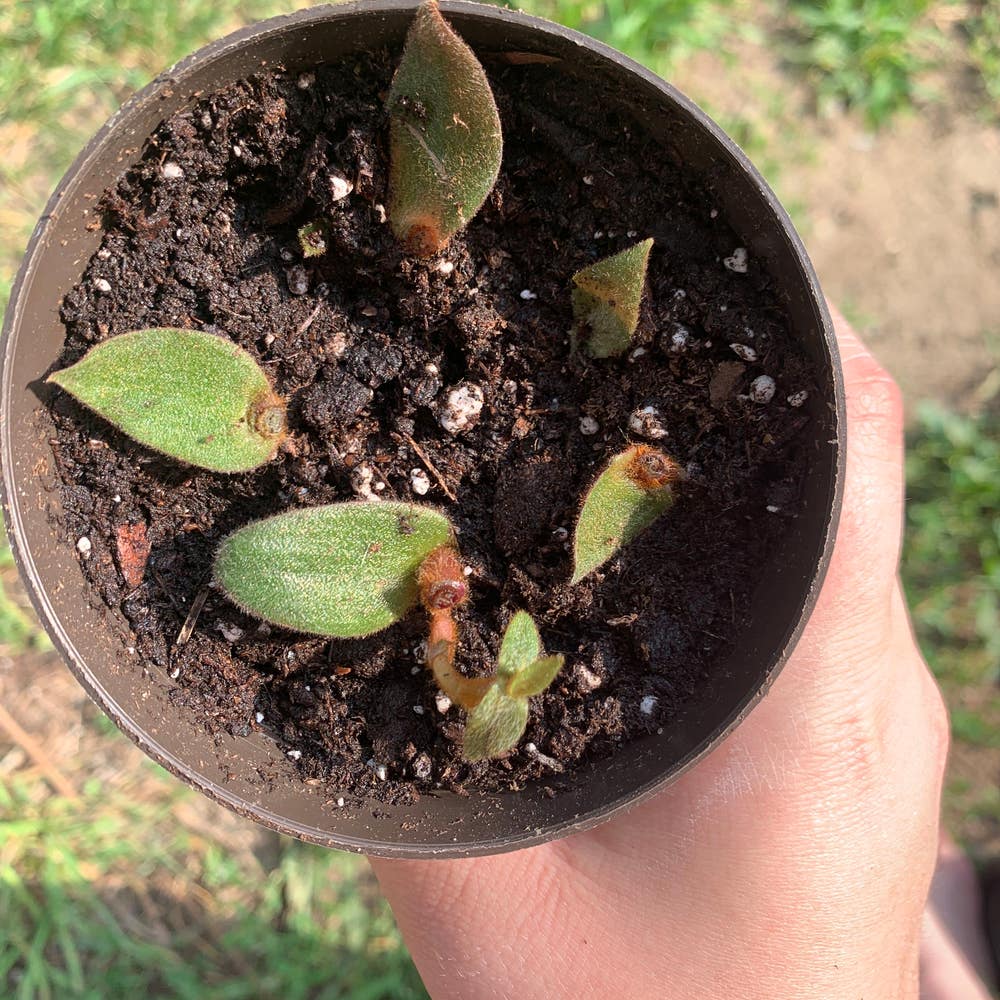
Ultimate Guide to Fixing Dropping Leaves on Cyanotis 💧
Cyanotis spp.
By the Greg Editorial Team
Jan 07, 2025•6 min read
This article was created with the help of AI so we can cover more plants for you. May contain errors. See one? Report it here.
Revive your Cyanotis and prevent leaf drop 🌱 with these essential care tips for vibrant growth!
- 🌡️💧 Cyanotis thrives in 18-24°C and above 50% humidity to prevent leaf drop.
- 🚰❌ Overwatering causes mushy stems; underwatering leads to crispy leaves. Balance is key!
- 🌱🔍 Inspect regularly for pests and nutrient deficiencies to maintain healthy Cyanotis.
Common Causes of Leaf Drop
🌬️ Environmental Factors
Cyanotis plants can be quite sensitive to their surroundings. Temperature fluctuations are a common culprit, with an ideal range between 18°C to 24°C (65°F to 75°F) for optimal growth.
Drafts or sudden changes in environment can stress the plant, leading to leaf drop. Additionally, low humidity levels can be detrimental; Cyanotis thrives in humidity above 50%.
💧 Watering Issues
Watering practices play a crucial role in the health of your Cyanotis. Overwatering is a frequent issue, with symptoms like yellowing leaves and mushy stems indicating that your plant is drowning.
On the flip side, underwatering can also cause problems. Look out for dry, crispy leaves and wilting, which signal that your plant is thirsty and needs attention.
🥦 Nutrient Deficiencies
Nutrient deficiencies can lead to poor leaf health and overall plant vitality. A lack of essential nutrients can manifest in various ways, including discoloration and stunted growth.
To combat this, balanced fertilization during the growing season is vital. Regular feeding ensures your Cyanotis gets the nutrients it needs to thrive and maintain lush foliage.
Understanding these common causes of leaf drop is the first step in nurturing a healthy Cyanotis. Next, let’s explore how to identify signs of stress in your plant.
Identifying Signs of Stress
🌿 Visual Indicators
One of the first signs that your Cyanotis is stressed is leaf discoloration. Look for yellowing or browning edges, which can indicate various issues, from nutrient deficiencies to environmental stress.
Another visual cue is changes in leaf texture. If you notice wilting or drooping leaves, it’s a clear signal that your plant needs attention.
📈 Growth Patterns
Pay attention to the growth patterns of your Cyanotis. Stunted growth or a leggy appearance often suggests that the plant is struggling to thrive.
Additionally, premature leaf drop is a critical sign to watch for. Unlike seasonal shedding, this indicates that something is wrong and requires immediate action.
By recognizing these signs early, you can take steps to revive your plant and restore its health.
Care Techniques
Proper Watering Practices 💧
Watering your Cyanotis correctly is crucial for its health. Allow the top 1-2 inches of soil to dry out between waterings to prevent overwatering.
Signs of proper watering include firm, vibrant leaves and noticeable healthy growth. If your plant looks droopy or the leaves are yellowing, it might be time to reassess your watering routine.
Ideal Soil Conditions 🌱
Choosing the right soil is essential for your plant's success. A well-draining potting mix, ideally with perlite or sand, helps prevent root rot and promotes healthy growth.
Aim for a soil pH that is slightly acidic to neutral, ideally between 6.0 and 7.0. This range supports nutrient availability and overall plant vitality.
Light Requirements and Placement ☀️
Cyanotis thrives in bright, indirect light for about 6-8 hours daily. This exposure encourages lush growth without the risk of leaf scorch.
Avoid placing your plant in direct sunlight, as this can lead to damage and unsightly brown edges. Finding the right spot can make all the difference in keeping your plant happy and healthy.
With these care techniques in mind, you can ensure your Cyanotis remains vibrant and resilient. Next, let’s explore how to identify signs of stress in your plant.
Pest and Disease Management
🐜 Common Pests and Their Impact
Spider Mites
Spider mites are tiny pests that can wreak havoc on your Cyanotis. Look for fine webbing and stippled leaves as signs of infestation, which indicate that these pests are sucking the life out of your plant.
The damage from spider mites can weaken your plant significantly, leading to leaf drop if not addressed promptly. Regularly inspecting your plants can help catch these pests early.
Mealybugs
Mealybugs are another common pest that can affect Cyanotis. You’ll recognize their presence by the cotton-like clusters on leaves and stems, which can be quite alarming.
These sap-sucking insects can cause leaf yellowing and eventual drop, making it crucial to act quickly if you spot them. A thorough inspection can save your plant from severe damage.
🌱 Diseases That Cause Leaf Drop
Root Rot
Root rot is a serious condition that can devastate your Cyanotis. Symptoms include wilting, yellowing leaves, and mushy roots, indicating that your plant is struggling.
This disease is often caused by overwatering and poor drainage, so it's essential to monitor your watering habits closely. If you notice these signs, it’s time to reassess your care routine.
Fungal Infections
Fungal infections can also lead to leaf drop in Cyanotis. Look for dark spots on leaves, which signal that your plant is under attack.
High humidity and poor air circulation are common culprits behind these infections. Ensuring good airflow around your plant can help prevent these issues from taking hold.
🧪 Treatment Options
When it comes to managing pests and diseases, there are effective treatment options available. For organic pest control, consider using neem oil or insecticidal soap, which can help eliminate pests without harming your plant.
For fungal infections, fungicides can be effective, but improving air circulation is equally important. This dual approach can help your Cyanotis recover and thrive.
By staying vigilant and addressing these issues promptly, you can keep your Cyanotis healthy and vibrant. Next, let’s explore recovery strategies to help your plant bounce back from stress.
Recovery Strategies
Steps to Take When Leaves Are Dropping 🌿
When you notice your Cyanotis dropping leaves, the first step is to assess your watering habits. Adjust your watering based on the soil moisture; the top 1-2 inches should be dry before you water again.
Next, check for pests and diseases by inspecting the leaves and stems closely. Look for any signs of infestation or unusual spots that could indicate a problem.
Finally, evaluate the environmental conditions around your plant. Ensure that the temperature and humidity levels are within the ideal range for Cyanotis to thrive.
How to Revive a Stressed Plant 🌱
To help your stressed plant recover, start by pruning damaged leaves. This encourages new growth and allows the plant to focus its energy on healthier foliage.
Additionally, make sure you are providing optimal light and humidity conditions. Cyanotis thrives in bright, indirect light and humidity levels above 50%, so adjust its placement if necessary.
When to Repot or Change Soil 🪴
Repotting may be necessary if you notice root-bound conditions or poor soil quality. Signs include roots growing out of the drainage holes or a lack of nutrient absorption.
The best time to repot is in the spring, during the active growing season.
When you’re ready to repot, follow these steps:
- Gently remove the plant from its current pot.
- Trim any damaged roots to promote healthy growth.
- Place the plant in fresh soil, ensuring it's well-draining and suitable for Cyanotis.
By following these recovery strategies, you can help your Cyanotis bounce back and thrive once again. Next, let’s explore pest and disease management to keep your plant healthy.
⚠️ Safety First
This content is for general information and may contain errors, omissions, or outdated details. It is not medical, veterinary advice, or an endorsement of therapeutic claims.
Always consult a qualified healthcare professional before using any plant as food, medicine, or supplement.
Never eat any plant (or feed one to pets) without confirming its identity with at least two trusted sources.
If you suspect poisoning, call Poison Control (800) 222-1222, the Pet Poison Helpline (800) 213-6680, or your local emergency service immediately.
Spotted an error? Please report it here.
Keep your Cyanotis healthy and vibrant 🌿 by using Greg's tailored care reminders and community insights to tackle leaf drop and ensure optimal growth!