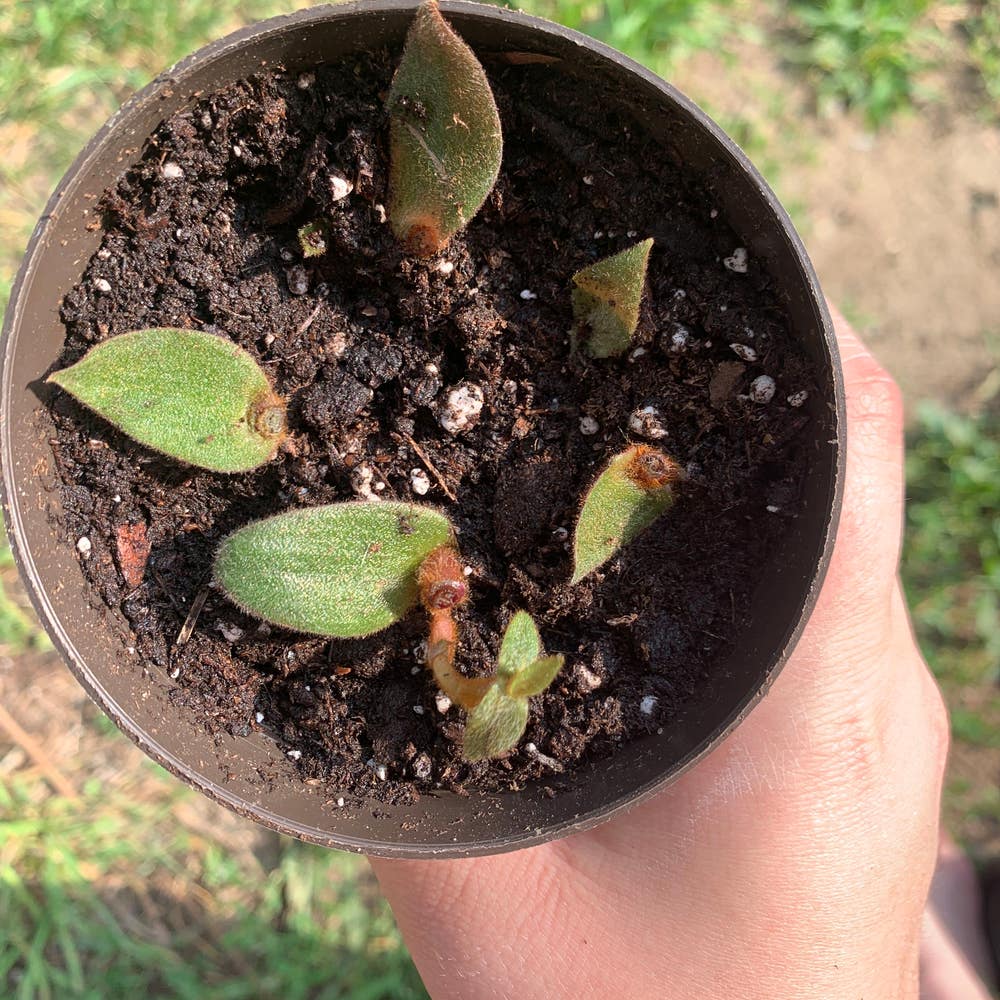
Cyanotis: Not an Annual
Cyanotis spp.
By the Greg Editorial Team
Jan 07, 2025•5 min read
This article was created with the help of AI so we can cover more plants for you. May contain errors. See one? Report it here.
Transform your garden with the resilient Cyanotis 🌱, a perennial powerhouse that blooms beautifully year after year!
- 🌱 Cyanotis is a perennial, thriving for years with vibrant blooms and robust seed production.
- 🌼 Enjoy longer blooming periods than annuals, enhancing garden aesthetics throughout the season.
- 🌍 Adaptable to various climates, but requires proper care to avoid being treated as annual.
Genetic and Physiological Characteristics
🌱 Long-term lifecycle of Cyanotis
Cyanotis exhibits a fascinating lifecycle that unfolds in distinct stages: germination, vegetative growth, flowering, and dormancy. This plant can thrive for several years, showcasing continuous growth and reproduction throughout its lifespan.
📈 Growth patterns specific to Cyanotis
The growth habit of Cyanotis varies by variety, with some spreading widely while others form tight clumps. Typically, it experiences active growth during the spring and summer months, entering a dormant phase in winter.
🌼 Reproductive strategies of Cyanotis
Cyanotis is notable for its robust seed production, capable of generating seeds over multiple seasons. Its pollination strategies include both cross-pollination and self-pollination, ensuring a diverse genetic pool and successful reproduction.
This unique combination of characteristics not only highlights the resilience of Cyanotis but also sets it apart from true annuals. Understanding these traits is essential for gardeners looking to incorporate this perennial into their landscapes.
Next, we will explore the lifecycle differences between Cyanotis and true annuals, shedding light on their flowering cycles and seed production.
Lifecycle Differences Between Cyanotis and True Annuals
🌸 Flowering Cycle
Cyanotis boasts an extended blooming period, significantly longer than that of typical annuals. This prolonged flowering allows gardeners to enjoy vibrant colors and lush foliage throughout much of the growing season.
The timing of Cyanotis flowering is influenced by specific seasonal triggers. Environmental conditions such as temperature and light play crucial roles in initiating the flowering process, making it a fascinating plant to observe throughout the year.
🌱 Seed Production in Cyanotis vs. Annuals
Cyanotis is remarkable for its ability to produce seeds multiple times per year. This frequent seed production sets it apart from annuals, which typically complete their life cycle in one season.
When it comes to seed viability, Cyanotis seeds tend to have a longer lifespan and better germination rates compared to those of annuals. This resilience ensures that even in less-than-ideal conditions, Cyanotis can continue to thrive and reproduce, solidifying its status as a perennial powerhouse.
As we explore the variations and exceptions in classification, it's essential to understand how environmental factors can influence the perception of Cyanotis in different regions.
Variations and Exceptions in Classification
🌱 Conditions where Cyanotis may be treated as an annual
In certain harsh climates, Cyanotis can struggle to survive. Extreme winters can lead to the perception that it behaves like an annual, as it may not return in spring.
Cultivation practices also play a significant role in this classification. Poor management, such as inadequate care or improper planting techniques, can result in Cyanotis being treated as an annual, despite its perennial nature.
🌍 Regional differences affecting classification
Geographic variations greatly influence the growth and survival of Cyanotis. Different climates can either support its perennial lifecycle or push it towards an annual classification.
Adaptation is key for Cyanotis. Some variants may thrive in specific environments, showcasing unique growth patterns that differ from their counterparts in more favorable conditions. Understanding these regional differences is crucial for gardeners looking to maximize the potential of Cyanotis in their landscapes.
This knowledge sets the stage for exploring the gardening implications of its perennial nature, which we'll delve into next.
Gardening Implications of Perennial Nature
🌼 Advantages in garden design
Cyanotis offers significant advantages for gardeners looking to create a vibrant landscape. Its perennial nature means you won't need to replant each year, saving both time and money.
Moreover, the aesthetic value of Cyanotis is undeniable. With continuous blooms and lush foliage throughout the growing season, it enhances the beauty of any garden.
🌱 Planning for perennial planting
When incorporating Cyanotis into your garden, consider design strategies that maximize its potential. Placing it in perennial beds and borders allows for a cohesive look that thrives year after year.
Companion planting is another effective approach. Pairing Cyanotis with other perennials can create a diverse and visually appealing garden, enriching the overall landscape.
By understanding these gardening implications, you can make informed decisions that elevate your garden's design and sustainability. Next, let's explore management tips for maximizing the longevity of your Cyanotis plants.
Management Tips for Maximizing Longevity
🌱 Best Practices for Managing as a Perennial
Soil Health
To ensure your Cyanotis thrives, focus on soil health. Well-draining soil enriched with organic matter is essential for robust growth.
Watering Schedule
Establish a consistent watering schedule. Aim for moisture that keeps the soil damp but avoid waterlogging, which can harm the roots.
🌼 Tips for Maximizing Longevity in the Garden
Pruning
Regular pruning encourages healthy growth and abundant flowering. Trim back dead or damaged stems to promote new growth and maintain shape.
Fertilization
Adopt a fertilization schedule tailored for perennials. Use balanced fertilizers in early spring and again in mid-summer to support ongoing growth.
Pest Management
Protect your Cyanotis from common pests and diseases with proactive strategies. Regularly inspect plants and use organic pest control methods to maintain their health.
By following these management tips, you can maximize the longevity and beauty of your Cyanotis in the garden. This perennial plant not only enhances your landscape but also offers a rewarding gardening experience.
⚠️ Safety First
This content is for general information and may contain errors, omissions, or outdated details. It is not medical, veterinary advice, or an endorsement of therapeutic claims.
Always consult a qualified healthcare professional before using any plant as food, medicine, or supplement.
Never eat any plant (or feed one to pets) without confirming its identity with at least two trusted sources.
If you suspect poisoning, call Poison Control (800) 222-1222, the Pet Poison Helpline (800) 213-6680, or your local emergency service immediately.
Spotted an error? Please report it here.
Unlock the full potential of your Cyanotis 🌱 with Greg's custom watering reminders and fertilization tips, ensuring vibrant blooms and robust growth all year round!