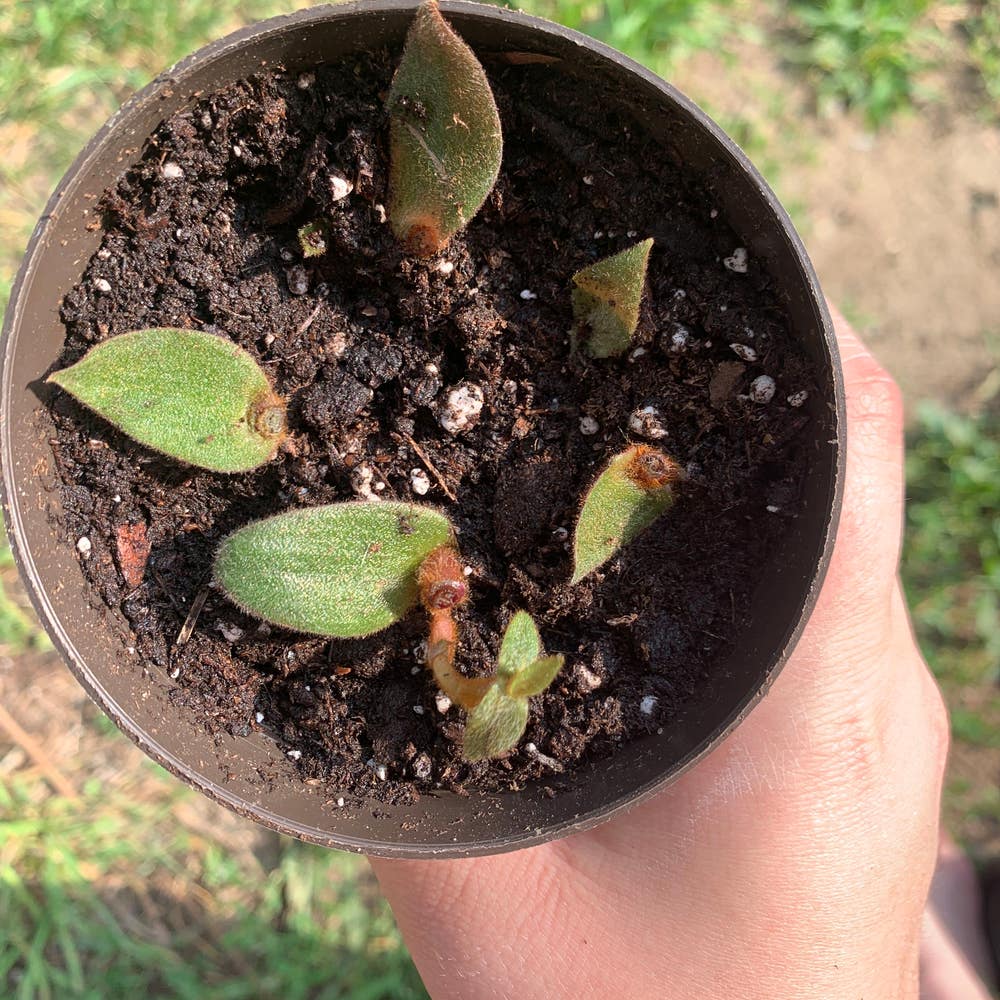
🌼 Overview of Dewflower
Cyanotis spp.
By the Greg Editorial Team
Jan 25, 2025•11 min read
This article was created with the help of AI so we can cover more plants for you. May contain errors. See one? Report it here.
Elevate your garden's beauty and biodiversity with Dewflower, a vibrant plant that attracts pollinators! 🌼
- 🌞 Dewflower needs 6-8 hours of sunlight daily for optimal growth.
- 🌱 Ideal soil is sandy or loamy with a pH of 6.0 to 7.5.
- 🐝 Dewflower attracts pollinators and is drought-tolerant, enhancing garden aesthetics.
How to Grow Dewflower
🌞 Choosing a Location for Optimal Sunlight
To thrive, Dewflower needs full sun, ideally receiving 6-8 hours of sunlight daily. When selecting a location, consider whether you're planting outdoors or in containers, as this can affect sunlight exposure.
🏗️ Soil Preparation and Amendments
Dewflower prefers well-draining sandy or loamy soil. Aim for a soil pH between 6.0 and 7.5, and enhance drainage by mixing in organic matter.
🌱 Planting Techniques and Spacing
For planting, seeds should be sown at a depth of 1/4 inch, while cuttings need to be placed 2-3 inches deep. Space your plants 12-18 inches apart to ensure optimal growth and airflow.
💧 Watering Requirements and Schedules
Initially, keep the soil consistently moist until the plants are established. After that, allow the soil to dry out between waterings to prevent overwatering.
🌿 Fertilizing Strategies for Growth
Fertilize your Dewflower monthly during the growing season to promote healthy growth. A balanced NPK fertilizer, such as 10-10-10, is recommended for optimal results.
✂️ Pruning Methods for Health and Aesthetics
Pruning is best done in early spring before new growth begins. Pinching back the tips of the plants encourages bushiness and a fuller appearance.
🌼 Ongoing Care for Container vs. Outdoor Growing
For container-grown Dewflower, ensure adequate drainage and regularly monitor moisture levels. If growing outdoors, consider mulching to retain moisture and suppress weeds, keeping your plants healthy and vibrant.
With these tips, you'll be well on your way to cultivating beautiful Dewflower plants that enhance your garden's beauty and biodiversity. Next, let's explore how to propagate these lovely flowers for even more growth!
Propagation
🌱 Seed Propagation Steps
Seed propagation is a straightforward method to grow new dewflowers. Start by collecting seeds from mature flowers, then sow them in well-draining soil.
Germination typically takes 7-14 days under optimal conditions. Ensure the soil remains moist but not soggy during this period for the best results.
✂️ Cutting Propagation Techniques
Cutting propagation offers another effective way to expand your dewflower collection. Begin by selecting healthy stems that are 4-6 inches long.
Using a rooting hormone can significantly improve your success rate. Place the cuttings in a moist, well-draining medium until roots develop, which usually takes a few weeks.
🌿 Division Methods for Established Plants
Dividing established plants is an excellent way to rejuvenate them and create new ones. Identify mature clumps in either spring or fall, as this is the best time for division.
Carefully separate sections while ensuring roots remain intact. Replant these divisions immediately in prepared soil to help them establish quickly.
With these propagation techniques, you can easily grow and share dewflowers, enhancing your garden's beauty and biodiversity. Next, let’s explore the lifecycle of dewflowers and their growth stages.
Lifecycle
Classification and Growth Stages 🌱
Dewflower is classified as an annual in cooler climates, while it thrives as a perennial in warmer regions. This adaptability allows gardeners to enjoy its beauty across various environments.
The growth stages of Dewflower unfold in a fascinating sequence. It begins with germination, which takes about 7-14 days. Following this, the seedling stage lasts 2-4 weeks, where the plant establishes its roots and initial leaves.
Next comes the vegetative growth phase, spanning 4-8 weeks, during which the plant develops its foliage. Afterward, it enters the flowering stage, lasting 8-12 weeks, where vibrant blooms emerge, attracting pollinators.
Finally, seed production occurs after flowering, completing the lifecycle. Overall, Dewflower reaches maturity in approximately 12 weeks, making it a rewarding choice for gardeners eager to see quick results.
This lifecycle not only showcases the plant's resilience but also highlights the joy of nurturing it from seed to bloom. Understanding these stages can enhance your gardening experience, ensuring you provide the right care at each step.
As we explore the next section, let’s dive into the size of Dewflower and what you can expect in terms of its growth and spread.
Size
🌱 Mature Height and Spread
Dewflower typically reaches an average mature height of 12 to 24 inches. Its spread ranges from 12 to 18 inches, making it a lovely addition to any garden space.
📏 Growth Rate and Size Variability
The growth rate of Dewflower is moderate, largely influenced by factors like sunlight, water, and soil quality. You'll notice that size can vary significantly between plants grown in containers versus those in garden beds, as well as depending on the care practices you implement.
Understanding these aspects will help you create the ideal environment for your Dewflower, ensuring it thrives beautifully. Now that you have a grasp on its size, let’s explore how to propagate this stunning plant effectively.
Roots
Characteristics of the Root System 🌱
Dewflower boasts a fibrous root system that is both shallow and spreading. This structure allows the plant to efficiently absorb nutrients and water from the upper layers of the soil.
Common Root-Related Issues and Solutions ⚠️
One of the most common problems is root rot, primarily caused by overwatering. To prevent this, ensure proper drainage in your pots or garden beds.
Identifying healthy roots is crucial for plant health. Healthy roots are firm and white, while unhealthy roots appear brown and mushy.
Another issue to watch for is rootbound plants, which occur when roots grow out of drainage holes. If you notice this, it's time to repot your dewflower into a larger container filled with fresh soil.
By understanding these root characteristics and potential issues, you can better care for your dewflower and ensure its vibrant growth. Next, let's explore the benefits of growing this beautiful plant.
Benefits
Top 5 Benefits of Growing Dewflower 🌼
Growing Dewflower comes with a host of advantages that can elevate your gardening experience.
Attracts Pollinators: These vibrant blooms draw in bees, butterflies, and other pollinators, enhancing your garden's biodiversity.
Drought-Tolerant: Once established, Dewflower requires less water, making it a sustainable choice for eco-conscious gardeners.
Aesthetic Appeal: With their bright colors, Dewflowers add a lively touch to any garden, creating a visually stunning landscape.
Traditional Medicine: Historically, Dewflowers have been used in various cultures for medicinal purposes, showcasing their versatility.
Culinary Uses: These flowers can also be used in cooking, adding unique flavors to dishes and beverages.
Cultural Significance 🌍
Dewflower holds a special place in many cultures, symbolizing resilience and beauty. Often associated with positive energy and growth, these flowers inspire gardeners to cultivate not just plants, but also a sense of hope and renewal in their lives.
As you consider adding Dewflower to your garden, remember the myriad benefits it brings—not just to your space, but to the environment and your well-being.
Next, let's explore the fascinating world of companion planting and how Dewflower interacts with other plants in your garden.
Companion Plants
🌱 Companion Planting Benefits
Companion planting is a fantastic way to enhance your garden's diversity. It not only improves pest management but also promotes healthier growth for your dewflower.
🤝 Compatible Companion Plants
When choosing companions for your dewflower, consider these excellent options:
- Marigolds: Known for their pest-repelling properties, they can help keep harmful insects at bay.
- Basil: This herb shares similar care needs, making it a perfect partner in your garden.
- Lavender: Not only does it attract pollinators, but it also adds a lovely fragrance to your space.
🚫 Plants to Avoid
While some plants thrive alongside dewflower, others can hinder its growth. Avoid planting:
- Nightshades: These plants compete for nutrients, which can stunt your dewflower's growth.
- Heavy feeders: They can deplete the soil of essential nutrients that your dewflower needs to flourish.
By selecting the right companions and avoiding those that could harm your dewflower, you can create a vibrant and thriving garden. This thoughtful approach will not only enhance the beauty of your space but also support the overall health of your plants.
Next, let’s explore the potential toxicity of dewflower to humans and pets, ensuring you can enjoy your garden safely.
Toxicity to Humans
Dewflower is generally safe and is not listed as toxic by major poison control centers. This makes it a great choice for gardens where safety is a priority.
⚠️ Potential Minor Issues
While rare, some individuals may experience mild skin irritation or digestive discomfort if they consume large quantities of the plant. It's always wise to exercise caution with any plant.
🩺 Seeking Medical Advice
If you notice any unusual symptoms after contact or ingestion, don’t hesitate to seek medical advice. Staying informed and cautious ensures a safe gardening experience.
This knowledge about dewflower's safety allows you to enjoy its beauty without worry. Next, let’s explore how this plant interacts with our furry friends, focusing on its toxicity to dogs.
Toxicity to Dogs
Dewflower is not considered toxic to dogs according to major pet poison control centers. This means you can enjoy growing this beautiful plant without worrying too much about your furry friends.
However, it's important to note that excessive consumption may lead to mild gastrointestinal upset. Keep an eye on your dog’s behavior around the plant to ensure they don’t overindulge.
🌱 Tips for Safe Planting
Proper Placement: Position your dewflower in areas that are less accessible to your dog. This can help prevent any curious snacking.
Monitor Behavior: Watch for any unusual behavior in your dog when introducing new plants. If they seem overly interested in the dewflower, consider using barriers or fencing.
By taking these simple precautions, you can create a safe and vibrant garden that both you and your dog can enjoy. Now, let’s explore how to manage any potential pest issues that may arise in your dewflower garden.
Toxicity to Cats
Dewflower is not considered toxic to cats according to major pet poison control centers. This means you can enjoy growing this beautiful plant without worrying about your feline friends getting harmed.
However, it's important to note that excessive consumption might lead to mild gastrointestinal upset. Keep an eye on your cat's behavior around new plants to ensure they don't nibble too much.
🐱 Tips for Cat Owners
Monitor Behavior: Watch how your cat interacts with the dewflower. If they show excessive interest, it might be time to intervene.
Keep Out of Reach: Place the dewflower in areas that are less accessible to your cat. This helps prevent any unwanted snacking.
By taking these simple precautions, you can create a safe environment for both your plants and your pets. Enjoy the beauty of dewflower while ensuring your furry companions stay healthy!
Problems
🌱 Common Problems Faced When Growing Dewflower
Growing Dewflower can be rewarding, but it comes with its share of challenges. Understanding these common problems can help you maintain a healthy plant.
💧 Incorrect Watering
Watering issues are among the most frequent problems. If your Dewflower is wilting, it may be underwatered, while yellowing leaves often indicate overwatering.
☀️ Incorrect Light Conditions
Light conditions play a crucial role in plant health. Leggy growth suggests insufficient light, whereas scorched leaves can result from too much direct sunlight.
🦠 Diseases
Dewflower can fall victim to various diseases. Powdery mildew and root rot are common culprits that can hinder your plant's growth.
🍃 Leaf Issues
Keep an eye on your leaves for signs of distress. Yellowing or fuzzy growth can signal nutrient deficiencies or pest infestations that need addressing.
📉 Growth Problems
Watch for stunted growth or leaning plants, which can indicate underlying issues. These signs often point to environmental stress or care missteps.
By being aware of these potential problems, you can take proactive steps to ensure your Dewflower thrives. Next, let’s explore the pests that might threaten your plant's health.
Bugs
🐛 Potential Pest Issues
While dewflower is moderately resistant to pests, it can still fall victim to a few common nuisances. Keeping an eye out for these pests will help you maintain a healthy garden.
🔍 Identification and Treatment Options
Spider Mites
Look for webbing and stippled leaves as signs of spider mites. To treat, apply insecticidal soap directly to affected areas.
Mealybugs
These pests are identifiable by their cotton-like masses on stems and leaves. You can remove them manually or use neem oil for effective control.
Aphids
Aphids can cause curled leaves, indicating their presence. Control them with insecticidal soap or introduce ladybugs, which are natural predators.
By staying vigilant and addressing these pest issues promptly, you can ensure your dewflower thrives beautifully. Next, let’s explore what animals might be interested in snacking on your plants.
What Eats Dewflower
🦌 Common Animals That May Damage Dewflower
Dewflower can attract a variety of garden visitors, some of which may cause damage.
Deer: Look for signs like chewed leaves and stems, indicating these graceful creatures have taken a liking to your plants.
Rabbits: If you notice clipped stems and missing foliage, rabbits might be the culprits, nibbling away at your garden.
Squirrels: Signs of squirrels include dug-up plants and scattered debris, as they dig around in search of food.
🚫 Methods for Deterring or Managing Animal Damage
Protecting your dewflower from these hungry animals can be achieved through various methods.
Chemical deterrents: Consider using commercial repellents designed to keep these critters at bay.
Organic methods: Plant barriers or companion plants can also help deter pests naturally, creating a more resilient garden ecosystem.
By being proactive, you can enjoy the beauty of dewflower without the worry of animal damage.
⚠️ Safety First
This content is for general information and may contain errors, omissions, or outdated details. It is not medical, veterinary advice, or an endorsement of therapeutic claims.
Always consult a qualified healthcare professional before using any plant as food, medicine, or supplement.
Never eat any plant (or feed one to pets) without confirming its identity with at least two trusted sources.
If you suspect poisoning, call Poison Control (800) 222-1222, the Pet Poison Helpline (800) 213-6680, or your local emergency service immediately.
Spotted an error? Please report it here.
Cultivate vibrant Dewflowers 🌼 effortlessly with Greg's tailored watering alerts and expert care tips to help your garden thrive!