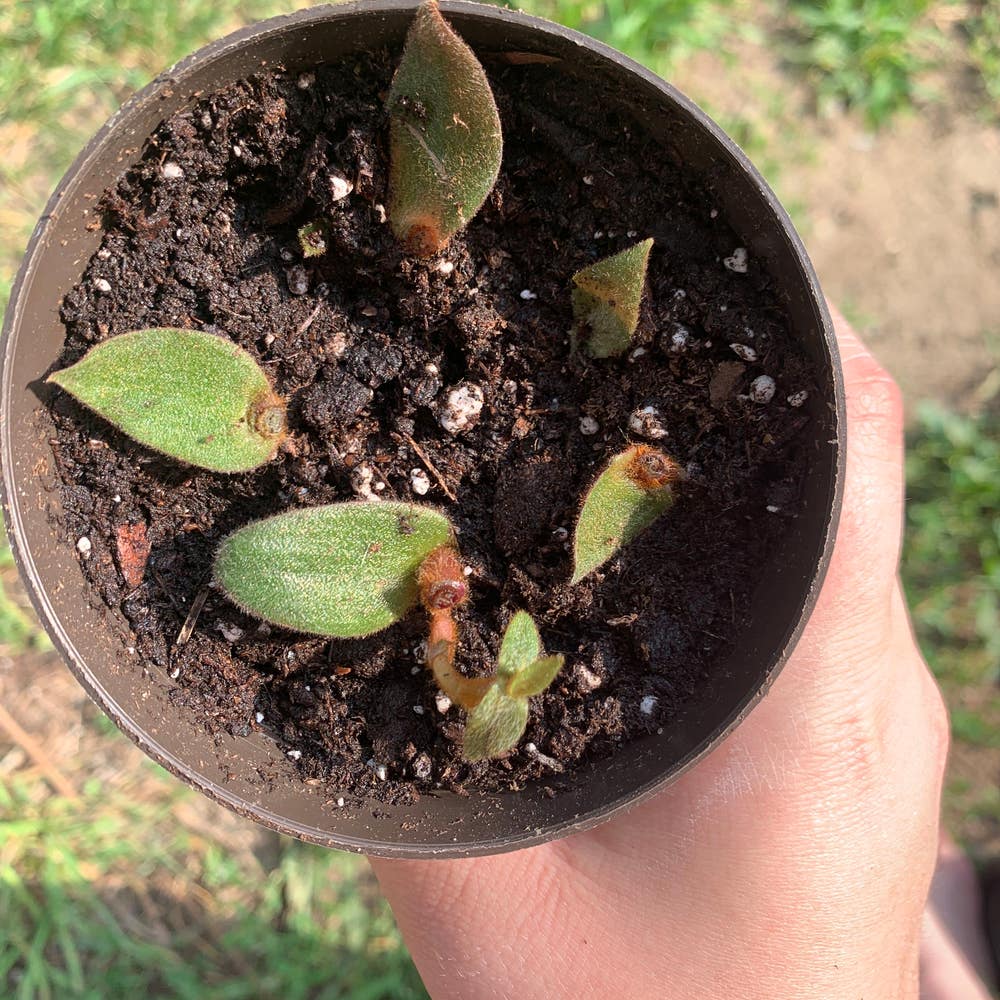
5 Tips for Choosing Soil for Your Cyanotis 🌍
Cyanotis spp.
By the Greg Editorial Team
Jan 07, 2025•5 min read
This article was created with the help of AI so we can cover more plants for you. May contain errors. See one? Report it here.
Unlock your Cyanotis's full potential 🌱 by mastering soil health and nutrients for vibrant growth!
- 🌱 Recognize unhealthy soil signs like mold and compaction for Cyanotis health.
- ⚖️ Ideal pH for Cyanotis is 6.0-7.0; adjust with sulfur or lime as needed.
- 🏡 Create a customized soil mix for optimal growth: 2 parts potting soil, 1 part perlite.
Identifying Unhealthy Soil
Signs of Unhealthy Soil 🌱
Recognizing unhealthy soil is crucial for the health of your Cyanotis. One common sign is moldy soil, which appears as white or gray mold on the surface. This often results from overwatering or poor air circulation.
Another indicator is soil compaction. If the soil feels hard and dense, it restricts root growth, making it difficult for your plants to thrive. Compaction can occur due to heavy foot traffic or a lack of aeration.
How to Test Soil Health 🧪
To ensure your soil is healthy, testing is essential. Start with pH testing, which can be done using pH meters or simple test kits available at garden centers.
Next, consider nutrient testing. You can use home kits for a quick assessment or send samples to professional labs for more detailed analysis. This will help you understand what your soil needs.
Solutions for Unhealthy Soil 🛠️
If you discover moldy soil, there are effective remedies. First, allow the soil to dry out, which can help eliminate mold. Additionally, improving air circulation around the plant can prevent future issues.
For compacted soil, try aeration techniques. Using a garden fork or aerator can help break up the dense soil. You can also add organic matter to improve texture and enhance drainage.
By addressing these signs and solutions, you can create a healthier environment for your Cyanotis to flourish. Next, let’s explore the ideal soil pH for these vibrant plants.
Ideal Soil pH for Cyanotis
Recommended pH range for Cyanotis 🌱
For optimal growth, Cyanotis thrives in soil with a pH range of 6.0 to 7.0, which is slightly acidic to neutral. This pH level is crucial because it directly affects nutrient availability, ensuring your plant can absorb essential elements effectively.
Effects of pH on Cyanotis growth 📉
Incorrect pH levels can lead to noticeable symptoms in your Cyanotis. For instance, yellowing leaves often signal nutrient deficiencies, while stunted growth indicates poor overall plant health.
How to adjust soil pH ⚖️
If you need to lower the pH, consider adding sulfur or peat moss to your soil mix. Conversely, if your soil is too acidic, incorporating lime or wood ash can help raise the pH to a more suitable level.
Understanding and managing soil pH is vital for the health of your Cyanotis. By ensuring the right pH, you set the stage for vibrant growth and flourishing plants. Next, let's explore how to create a homemade soil mix tailored to your Cyanotis needs.
Creating a Homemade Soil Mix
Creating a homemade soil mix for your Cyanotis is not only easy but also rewarding. With the right ingredients, you can tailor the soil to meet your plant's specific needs.
🌱 Ingredients for a homemade soil mix
Start with the base components: potting soil, perlite, and compost. These ingredients provide a solid foundation for your mix.
You can also consider adding coconut coir for moisture retention. This optional ingredient helps keep the soil moist, which is beneficial for your plants.
🛠️ Step-by-step guide to mixing soil
Follow these simple steps to create your homemade soil mix:
- Gather your materials: potting soil, perlite, and compost.
- Mix them in a ratio of 2:1:1 (potting soil:perlite:compost).
- If desired, add coconut coir for extra moisture retention.
- Ensure even distribution of all ingredients for a consistent mix.
🌿 Benefits of homemade soil for Cyanotis
Homemade soil allows for customization tailored to your Cyanotis' specific needs. You can adjust the mix to enhance drainage and aeration, ensuring your plant thrives.
Additionally, using fresh compost enriches the soil with nutrients. This boosts the overall health of your Cyanotis, leading to vibrant growth and resilience.
By crafting your own soil mix, you not only support your plant's health but also gain a deeper connection to your gardening journey. Now that you have your soil ready, let's explore the essential nutrients and amendments that will further enhance your Cyanotis growth.
Soil Nutrients and Amendments
Essential nutrients for Cyanotis 🌱
Cyanotis thrives on a balanced diet of essential nutrients. The key players are nitrogen, phosphorus, and potassium (NPK), which promote healthy growth and flowering.
Micronutrients like iron, magnesium, and calcium also play a vital role. They support various physiological functions, ensuring your plant remains vibrant and resilient.
Recommended soil amendments 🌿
To boost soil health, consider organic amendments. Bone meal, blood meal, and fish emulsion are excellent choices that enrich the soil naturally.
Timing is crucial for amendments. Apply these nutrients in early spring, just before the growing season kicks off, to give your Cyanotis a strong start.
How to fertilize soil for optimal Cyanotis growth 💧
Fertilization frequency is key to maintaining plant health. Aim to fertilize every 4-6 weeks during the growing season for optimal results.
When choosing fertilizers, look for balanced NPK options or slow-release varieties. These will provide a steady supply of nutrients, keeping your Cyanotis thriving throughout its growth cycle.
With the right nutrients and amendments, your Cyanotis will flourish, showcasing its beauty and resilience. Next, let's explore how to create a homemade soil mix tailored to your plant's needs.
⚠️ Safety First
This content is for general information and may contain errors, omissions, or outdated details. It is not medical, veterinary advice, or an endorsement of therapeutic claims.
Always consult a qualified healthcare professional before using any plant as food, medicine, or supplement.
Never eat any plant (or feed one to pets) without confirming its identity with at least two trusted sources.
If you suspect poisoning, call Poison Control (800) 222-1222, the Pet Poison Helpline (800) 213-6680, or your local emergency service immediately.
Spotted an error? Please report it here.
Nurture your Cyanotis with the perfect soil mix 🌿 by using Greg's tailored tips and nutrient reminders to keep your plant thriving!