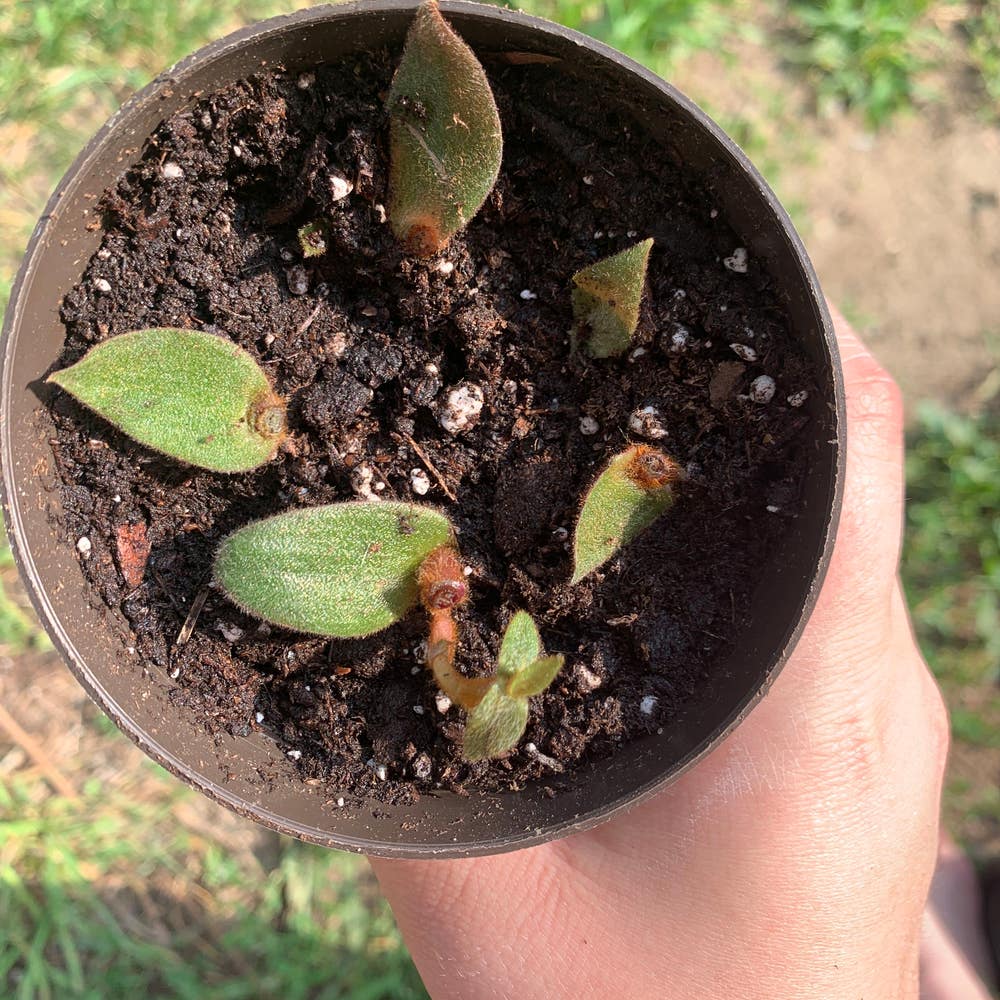
Cyanotis: A Perennial Plant
Cyanotis spp.
By the Greg Editorial Team
Jan 07, 2025•5 min read
This article was created with the help of AI so we can cover more plants for you. May contain errors. See one? Report it here.
Discover the enduring beauty of Cyanotis 🌱, a resilient perennial that thrives year after year in your garden!
- 🌱 Cyanotis is a resilient perennial, thriving for years with minimal replanting.
- 🌼 Annual flowering cycles enhance its beauty and reproductive success throughout the seasons.
- 🌍 Cyanotis improves soil health while adapting to various climates, benefiting your garden ecosystem.
Key Characteristics
Multi-Year Lifecycle 🌱
Cyanotis is a remarkable perennial plant, known for its ability to survive and thrive over multiple years. Unlike annuals, which complete their lifecycle in one season, or biennials that take two years, Cyanotis establishes a lasting presence in your garden.
This multi-year lifecycle allows it to develop a robust system that can endure various environmental conditions. As a gardener, this means less frequent replanting and more time to enjoy its beauty.
Growth Patterns and Regrowth 🌿
The root system of Cyanotis is key to its resilience. Each season, it regrows from established roots, ensuring a strong comeback even after harsh conditions.
Cyanotis showcases a vibrant growth habit, with lush foliage and striking flowers that develop annually. This consistent regrowth not only enhances your garden's aesthetic but also contributes to its overall health and vitality.
Growth and Flowering Implications
🌱 Effects of Perennial Nature
Cyanotis, as a perennial plant, boasts a unique advantage in its overall growth and health. Its ability to survive multiple years allows it to develop a robust structure, leading to increased vigor compared to annual plants.
This perennial nature also influences how Cyanotis allocates resources. During non-growing seasons, it conserves energy, ensuring that it can bounce back vigorously when conditions improve.
🌼 Flowering Cycles
Cyanotis exhibits a fascinating annual flowering behavior, with blooms typically occurring in sync with seasonal changes. This timing not only enhances its aesthetic appeal but also plays a crucial role in its reproductive success.
Several factors can affect the flowering cycles of Cyanotis. Climate and environmental conditions, such as temperature and moisture levels, significantly influence when and how often these beautiful blooms appear.
Understanding these growth and flowering implications can help gardeners optimize their care for Cyanotis, ensuring a vibrant display year after year. As we delve deeper into dormancy and seasonal changes, we’ll explore how these factors further shape the lifecycle of this remarkable plant.
Dormancy and Seasonal Changes
Dormancy Periods 🌙
Dormancy is a crucial phase in the lifecycle of Cyanotis, marking a period of rest and energy conservation. During this time, the plant reduces its metabolic activities, allowing it to survive unfavorable conditions.
Signs of dormancy are quite noticeable. Leaves may yellow and fall off, while the plant's overall growth slows significantly. This is a natural response to seasonal changes, particularly in colder months.
Seasonal Adaptations 🍂
Cyanotis exhibits remarkable adaptations to seasonal variations, particularly in temperature and moisture levels. As seasons shift, the plant adjusts its growth patterns to optimize survival.
These adaptations significantly influence both growth and flowering. For instance, during dry spells, Cyanotis may conserve water by reducing leaf surface area, which in turn affects its blooming cycle. Understanding these dynamics can help gardeners anticipate the plant's needs throughout the year.
In summary, recognizing the dormancy and seasonal adaptations of Cyanotis not only enhances appreciation for this resilient perennial but also equips gardeners with the knowledge to support its thriving lifecycle.
Advantages for Gardeners
Benefits of Perennial Nature 🌼
Cyanotis offers a fantastic advantage for gardeners: its perennial nature means you won't need to replant every year. This long-term investment not only saves time but also allows you to enjoy a flourishing garden season after season.
Moreover, cultivating perennials like Cyanotis is cost-effective. You’ll find that the initial investment pays off as the plant continues to thrive, reducing the need for frequent purchases of annuals.
Established Root Systems 🌱
One of the standout features of Cyanotis is its established root system. These roots provide stability and resilience, ensuring the plant can withstand various environmental challenges.
Additionally, the roots play a crucial role in enhancing soil health. They improve soil structure and nutrient availability, creating a healthier ecosystem for all your garden plants.
Cyanotis is not just a beautiful addition to your garden; it’s a smart choice that benefits both your wallet and the environment. As you plan your garden, consider how this perennial can contribute to a sustainable and vibrant landscape.
Next, let’s explore the expected lifespan of Cyanotis and what influences its longevity.
Lifespan and Longevity
Expected Lifespan 🌱
Cyanotis typically thrives as a perennial for several years, often ranging from 3 to 5 years under optimal conditions. Compared to other perennials, such as daylilies or hostas, which can live for decades, Cyanotis has a shorter lifespan but still offers considerable longevity for gardeners.
Influencing Factors 🌍
The lifespan of Cyanotis is significantly influenced by environmental conditions. Factors like soil quality, water availability, and sunlight exposure play crucial roles in determining how long these plants will flourish.
Proper care practices also extend the life of Cyanotis. Regular maintenance, including appropriate watering and fertilization, can enhance plant health and longevity.
Climate Variations ☀️
Cyanotis adapts well to various climate zones, but its lifespan can vary based on growing conditions. For instance, in warmer climates, it may thrive longer, while cooler regions might shorten its lifespan.
Adaptation strategies are essential for maximizing growth. Adjusting care routines to accommodate seasonal changes can help Cyanotis thrive, ensuring it remains a vibrant part of your garden for years to come.
As we explore the next section, consider how these factors can influence your garden planning and the overall health of your plants.
Maximizing Benefits in Garden Planning
Long-Term Cultivation Tips 🌱
To ensure healthy growth of Cyanotis, start by selecting a well-draining soil enriched with organic matter. Regular watering is essential, especially during dry spells, but avoid waterlogging to prevent root rot.
Monitoring environmental conditions is crucial for the plant's health. Keep an eye on temperature fluctuations and moisture levels, as these factors significantly influence growth patterns.
Garden Design Strategies 🌼
Companion planting can enhance the growth of Cyanotis. Consider pairing it with plants like marigolds or lavender, which can deter pests and attract beneficial insects.
When designing your garden, think about how to incorporate Cyanotis for both aesthetic and functional benefits. Its vibrant foliage and flowers can create stunning focal points or serve as ground cover, adding beauty and stability to your garden layout.
By following these tips, you can maximize the benefits of Cyanotis in your garden, ensuring a thriving and visually appealing landscape.
⚠️ Safety First
This content is for general information and may contain errors, omissions, or outdated details. It is not medical, veterinary advice, or an endorsement of therapeutic claims.
Always consult a qualified healthcare professional before using any plant as food, medicine, or supplement.
Never eat any plant (or feed one to pets) without confirming its identity with at least two trusted sources.
If you suspect poisoning, call Poison Control (800) 222-1222, the Pet Poison Helpline (800) 213-6680, or your local emergency service immediately.
Spotted an error? Please report it here.
Keep your Cyanotis thriving 🌱 for years to come with Greg's tailored care reminders that ensure your plant gets the attention it needs to flourish season after season!