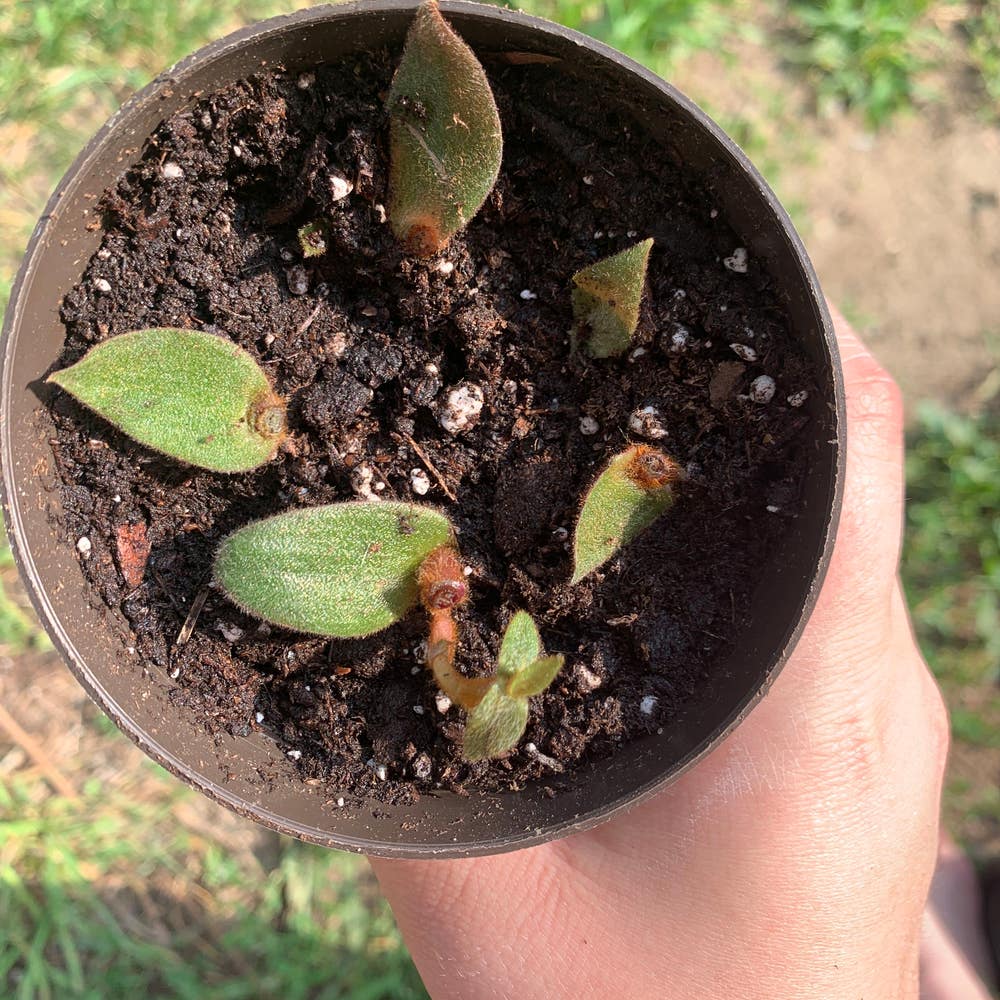
Best Tips for Droopy Leaves on Cyanotis 💧
Cyanotis spp.
By the Greg Editorial Team
Jan 07, 2025•5 min read
This article was created with the help of AI so we can cover more plants for you. May contain errors. See one? Report it here.
Transform droopy Cyanotis leaves 🌱 into vibrant foliage with these essential care tips for thriving plants!
- 💧 Droopy leaves result from improper watering; balance between overwatering and underwatering.
- 🌞 Bright, indirect light is essential; aim for 6-8 hours daily for healthy growth.
- 🌿 Maintain humidity above 50% and use well-draining soil to prevent droopy leaves.
Common Causes of Droopy Leaves
💧 Improper Watering
Droopy leaves on your Cyanotis often stem from improper watering. Overwatering is a common culprit, leading to yellowing leaves, soggy soil, and even root rot.
On the flip side, underwatering can also cause distress. Look for dry, crispy leaf edges and wilting as signs that your plant is thirsty.
🌬️ Environmental Factors
Environmental conditions play a significant role in your plant's health. Cyanotis thrives in humidity levels above 50%, so low humidity can lead to droopy leaves.
Inadequate light is another factor to consider. Bright, indirect light is essential for healthy growth, so ensure your plant gets enough exposure.
🌱 Soil Conditions
Soil conditions are crucial for maintaining healthy leaves. Poor drainage can cause soil to retain too much moisture, resulting in droopy leaves.
Using the right soil type is equally important. A well-draining potting mix is ideal for keeping your Cyanotis happy and healthy.
Understanding these common causes can help you take proactive steps to revive your plant and prevent future droopiness. Next, let’s explore effective treatments for droopy leaves.
Treatment for Droopy Leaves
Step-by-Step Guide to Reviving Droopy Leaves 🌱
Reviving droopy leaves on your Cyanotis starts with assessing the watering needs. Check the soil moisture level by sticking your finger about an inch into the soil.
Next, adjust your watering practices. Water the plant only when the top inch of soil feels dry to the touch.
Adjusting Watering Practices 💧
For optimal health, aim to water your Cyanotis every 1-2 weeks. This frequency may vary based on environmental conditions, so stay observant.
Signs of proper watering include moist soil that isn’t soggy and firm leaves that stand upright. If the leaves are still droopy, it’s time to investigate further.
Importance of Humidity and How to Increase It 🌫️
Humidity plays a crucial role in the health of your Cyanotis. Ideally, maintain humidity levels between 50-70% for the best results.
To increase humidity, consider using a humidifier or placing a water tray near the plant. Misting the leaves can also help, but be cautious not to overdo it.
Soil Amendments for Better Drainage 🪴
Soil quality is vital for preventing droopy leaves. A recommended soil mix combines potting soil with perlite or sand to enhance drainage.
When repotting, choose a pot with drainage holes to prevent water from accumulating. Avoid compacted soil, as it can suffocate the roots and lead to droopy leaves.
By following these treatment steps, you can help your Cyanotis regain its vitality and keep those leaves perky. Next, let’s explore how to prevent droopy leaves from becoming a recurring issue.
Prevention of Droopy Leaves
🌱 Best Practices for Maintaining Healthy Plants
To keep your Cyanotis thriving, regularly check the soil moisture. Adjust your watering schedule based on the moisture level to prevent droopy leaves.
Ensure your plant receives proper light exposure by placing it in bright, indirect sunlight. This is crucial for maintaining vibrant, healthy foliage.
🌸 Seasonal Care Tips
In spring, as your Cyanotis begins to grow, increase your watering frequency. This helps support new growth and keeps the plant hydrated.
During winter, reduce watering and keep an eye out for dry indoor air. This adjustment is essential to prevent stress on your plant during the colder months.
💡 Monitoring Light Conditions for Optimal Growth
Aim for bright, indirect light for 6-8 hours daily to promote optimal growth. This light condition helps your Cyanotis flourish and maintain its lush appearance.
Watch for signs of inadequate light, such as stretching stems and pale leaves. These indicators signal that your plant may need a brighter location to thrive.
By following these preventive measures, you can ensure your Cyanotis remains healthy and vibrant, minimizing the risk of droopy leaves. Next, let’s explore how to manage pests and diseases that can affect your plant’s health.
Pest and Disease Management
🐜 Common Pests and Their Impact on Leaves
Cyanotis plants can fall victim to a few pesky pests. Aphids are notorious for leaving a sticky residue on leaves and causing them to curl, which can be quite alarming.
Another common culprit is the spider mite, identifiable by fine webbing and stippled leaves. These tiny invaders can quickly weaken your plant if not addressed promptly.
🦠 Identifying and Treating Fungal Infections
Fungal infections can also plague your Cyanotis. Root rot and leaf spot are two common issues that can lead to droopy leaves and overall decline.
To treat these problems, start by removing any affected leaves. Improving air circulation around the plant can also help prevent future outbreaks.
🛡️ Preventative Measures Against Pests and Diseases
Prevention is key when it comes to keeping your Cyanotis healthy. Regular inspections are crucial; check for pests weekly to catch any infestations early.
Maintaining proper watering and humidity levels is essential to prevent stress on your plant. A healthy plant is less likely to attract pests and diseases, so keep an eye on its overall well-being.
By staying vigilant and proactive, you can ensure your Cyanotis thrives and remains free from pests and diseases. Next, let’s explore best practices for preventing droopy leaves in the first place.
⚠️ Safety First
This content is for general information and may contain errors, omissions, or outdated details. It is not medical, veterinary advice, or an endorsement of therapeutic claims.
Always consult a qualified healthcare professional before using any plant as food, medicine, or supplement.
Never eat any plant (or feed one to pets) without confirming its identity with at least two trusted sources.
If you suspect poisoning, call Poison Control (800) 222-1222, the Pet Poison Helpline (800) 213-6680, or your local emergency service immediately.
Spotted an error? Please report it here.
Keep your Cyanotis perky and proud 🌱 by using Greg's tailored watering reminders and humidity tips to prevent droopy leaves and promote vibrant growth!