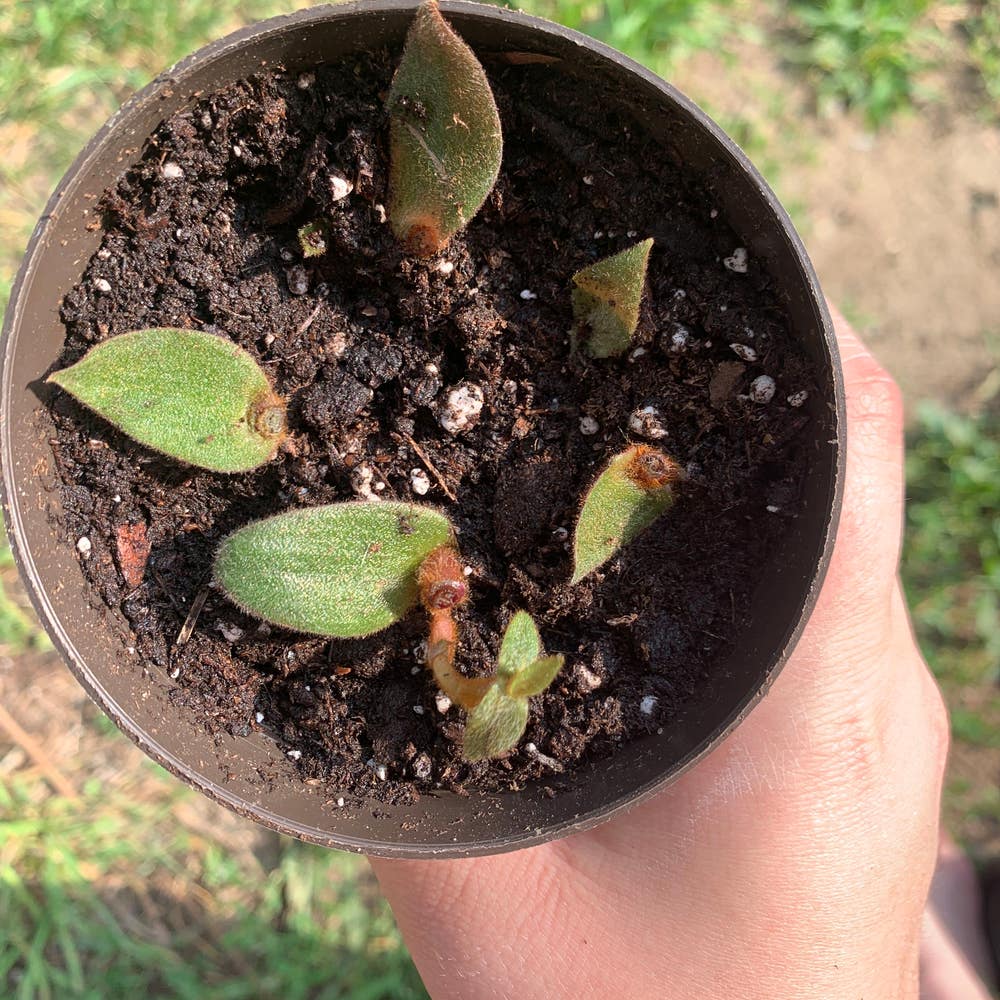
3 Tips for How to Plant Cyanotis
Cyanotis spp.
By the Greg Editorial Team
Jan 07, 2025•5 min read
This article was created with the help of AI so we can cover more plants for you. May contain errors. See one? Report it here.
Cultivate a lush garden with thriving cyanotis 🌱 by mastering essential planting and transplanting techniques!
- 🌱 Plant cyanotis in spring or early summer for optimal growth conditions.
- 🌿 Use well-draining, organic-rich soil with a pH of 6.0 to 7.0.
- 💧 Keep soil consistently moist but avoid waterlogging to prevent root rot.
Planting New Cyanotis
🌱 Optimal Timing for Planting
The best time to plant cyanotis is during spring or early summer when temperatures are consistently warm. Be sure to consider your local climate and frost dates to ensure a successful planting.
🪴 Selecting the Right Soil Mix and Containers
Cyanotis thrives in well-draining soil enriched with organic matter, such as peat or compost. If you're opting for container gardening, choose pots with drainage holes that are at least 6-8 inches deep to promote healthy root growth.
Soil pH
For optimal growth, aim for a soil pH between 6.0 and 7.0. This range supports nutrient availability and overall plant health.
🌿 Proper Depth and Spacing for Planting
When planting cyanotis, ensure the roots are covered by digging a hole 1-2 inches deep. For ground cover, space plants 12-18 inches apart; if you're planting in containers, you can place them closer together.
Importance of Spacing
Proper spacing is crucial for air circulation and growth. It helps prevent overcrowding, which can lead to disease and stunted growth.
☀️ Maintaining Ideal Growing Conditions
Cyanotis prefers full to partial shade, so avoid placing it in direct, harsh sunlight.
Watering Needs
Keep the soil consistently moist but not waterlogged. This balance is key to preventing root rot and ensuring healthy growth.
Temperature Preferences
Cyanotis thrives in warm, humid conditions, ideally between 20°C to 30°C (68°F to 86°F). Maintaining these temperatures will help your plants flourish.
🌳 Hardening Off Process Before Outdoor Planting
Acclimatizing your cyanotis before outdoor planting is essential to reduce transplant shock.
Steps to Harden Off
- Start indoors for 1-2 weeks, gradually introducing the plants to outdoor conditions.
- Increase outdoor exposure time daily, beginning with just a few hours.
- Monitor for signs of stress, such as wilting or discoloration, to ensure a smooth transition.
By following these guidelines, you'll set your cyanotis up for success, paving the way for vibrant growth and lush greenery. Next, let’s explore how to transplant established cyanotis effectively.
Transplanting Established Cyanotis
Optimal Timing for Transplanting 🌱
Transplanting your Cyanotis is best done in early spring or fall. These seasons offer moderate temperatures, which help reduce stress on the plant; avoid extreme heat or frost conditions for the best results.
Step-by-Step Instructions for Transplanting 🌿
Removing the Plant from Its Current Location
- Water the plant thoroughly a day before to reduce shock.
- Carefully dig around the root zone, keeping as much soil intact as possible.
- Gently lift the plant from the ground, avoiding damage to roots.
Preparing the New Planting Site
- Choose a location with similar light and moisture conditions.
- Amend the soil with organic matter to improve drainage and fertility.
- Dig a hole that is twice the width of the root ball and the same depth.
Ensuring Proper Placement and Spacing 📏
Place the plant in the center of the hole, ensuring the top of the root ball is level with the soil surface. Fill in with soil, gently tamping down to eliminate air pockets, and maintain spacing of 12-18 inches from other plants.
Tips for Watering and Mulching 💧
Water immediately after transplanting to settle soil around roots. Apply a layer of mulch (2-3 inches) to retain moisture and suppress weeds, and monitor moisture levels to ensure the soil remains consistently moist.
Providing Support for Newly Transplanted Cyanotis 🏗️
Assess the need for support based on the variety and growth habit of your Cyanotis. Use stakes or supports if necessary to prevent bending or breaking, ensuring your plant thrives in its new home.
Transplanting can be a rewarding experience, setting your Cyanotis up for success in its new environment. With the right timing and care, your plant will flourish and bring beauty to your space.
Troubleshooting Common Issues
🌱 Identifying and Addressing Transplant Shock
Transplant shock can be a common hurdle when planting or moving Cyanotis. Look out for symptoms like wilting, yellowing leaves, and stunted growth.
To combat these issues, ensure consistent watering to keep the soil moist. It's also wise to avoid fertilizing immediately after transplanting, as this can stress the plant further.
🛠️ Solutions for Establishment Problems
If your Cyanotis is showing signs of poor establishment, such as slow growth or leaf drop, it’s time to take action. These indicators often point to underlying issues that need addressing.
Start by checking the soil moisture to ensure it’s not too dry or waterlogged. Adjusting light exposure and ensuring proper spacing can also help your plant thrive.
🌼 General Care Tips for Newly Planted or Transplanted Cyanotis
Regular monitoring for pests and diseases is crucial for the health of your Cyanotis. Keeping an eye out can prevent small issues from becoming major problems.
If you're growing indoors or in dry climates, providing adequate humidity is essential. Lastly, be prepared to adjust your care practices based on seasonal changes and how your plant responds to its environment.
With these tips, you can help your Cyanotis flourish and enjoy its vibrant beauty in your garden or home.
⚠️ Safety First
This content is for general information and may contain errors, omissions, or outdated details. It is not medical, veterinary advice, or an endorsement of therapeutic claims.
Always consult a qualified healthcare professional before using any plant as food, medicine, or supplement.
Never eat any plant (or feed one to pets) without confirming its identity with at least two trusted sources.
If you suspect poisoning, call Poison Control (800) 222-1222, the Pet Poison Helpline (800) 213-6680, or your local emergency service immediately.
Spotted an error? Please report it here.
Transform your cyanotis into a vibrant masterpiece 🌿 with Greg's tailored care tips and reminders that ensure your plants thrive every step of the way!