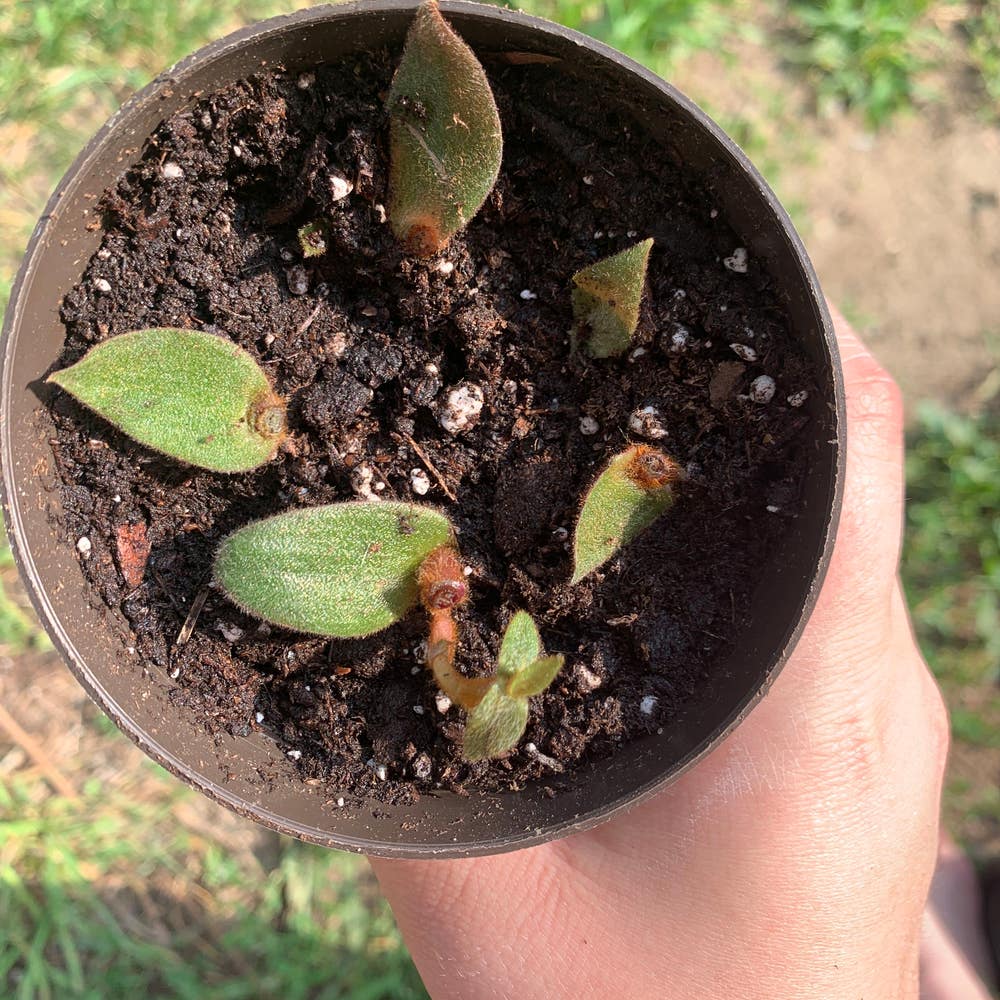
9 Best Companion Plants for Cyanotis 🌸
Cyanotis spp.
By the Greg Editorial Team
Jan 07, 2025•4 min read
This article was created with the help of AI so we can cover more plants for you. May contain errors. See one? Report it here.
Boost your Cyanotis health 🌱 and beauty with these essential companion plants for a vibrant garden! 🌼
- 🌼 Creeping Jenny and Marigolds suppress weeds and repel pests for healthier Cyanotis.
- 🌱 Basil and Nasturtium enhance garden diversity while deterring harmful insects.
- ❌ Avoid mint and cabbage family plants to prevent competition and pest attraction.
Best Companion Plants for Cyanotis
Plant 1: Creeping Jenny 🌼
Creeping Jenny is a low-growing perennial that dazzles with its vibrant yellow flowers. It thrives in well-drained soil and partial shade, making it an excellent choice for enhancing the beauty of your garden.
Creeping Jenny serves as a fantastic ground cover, effectively suppressing weeds while retaining soil moisture. This easy-care plant is perfect for gardeners looking to create a lush, vibrant landscape.
Plant 2: Coleus 🌈
Coleus brings a splash of color to any garden with its stunning foliage and diverse leaf patterns. It prefers bright, indirect light and requires regular watering to keep its leaves looking their best.
Not only does Coleus add visual appeal, but it also attracts pollinators, enhancing the overall diversity of your garden. This easy-to-care-for plant is a must-have for any garden enthusiast.
Plant 3: Nasturtium 🌸
Nasturtium is an edible flowering plant that boasts vibrant colors and a unique charm. It flourishes in poor soil and full sun, making it a resilient addition to your garden.
Beyond its beauty, Nasturtium acts as a natural pest repellent, deterring common nuisances like aphids and whiteflies. This moderate-care plant is a great ally for maintaining a healthy Cyanotis.
Plant 4: Marigold 🌻
Marigolds are known for their bright, cheerful blooms that can brighten any garden space. They thrive in full sun and well-drained soil, making them easy to grow.
These annual flowers are particularly valued for their pest-repellent properties, especially against nematodes. Adding Marigolds to your garden can help protect your Cyanotis while providing a pop of color.
Plant 5: Basil 🌿
Basil is not just a culinary delight; it's also an aromatic herb that can benefit your garden. It requires full sun and well-drained soil to flourish.
This herb is known for repelling pests like flies and mosquitoes, promoting a healthier environment for your Cyanotis. With its easy care requirements, Basil is a fantastic companion plant to consider.
As you explore these companion plants, remember that each one brings unique benefits to your garden. They not only enhance the beauty of your Cyanotis but also contribute to a healthier ecosystem. Next, let’s dive into how these companion plants can help with pest management.
Pest Management with Companion Plants
Companion plants play a crucial role in pest management for Cyanotis. They act as natural deterrents, utilizing their scent and chemical properties to repel unwanted insects.
🌿 Natural Deterrents
Certain plants emit fragrances or chemicals that can confuse or repel pests. This natural defense mechanism helps keep your Cyanotis healthy and thriving.
🦋 Attracting Beneficial Insects
In addition to repelling pests, companion plants can attract beneficial insects. These helpful critters, like ladybugs and lacewings, prey on common pests, providing an organic solution to pest control.
🚫 Specific Pests Deterred
Companion planting can effectively deter several specific pests that threaten Cyanotis. Notable pests include:
- Aphids: These small sap-sucking insects can weaken your plants.
- Whiteflies: Known for their rapid reproduction, they can quickly infest your garden.
- Nematodes: These microscopic worms can damage roots, leading to poor plant health.
By strategically choosing companion plants, you can create a balanced ecosystem that supports your Cyanotis while minimizing pest issues.
In the next section, we’ll explore which plants to avoid near Cyanotis to ensure a thriving garden environment.
Plants to Avoid Near Cyanotis
When planning your garden, it's crucial to know which plants can hinder the growth of your Cyanotis. Here are two plants you should steer clear of:
🌱 Mint
Mint is notorious for its invasive growth. It can quickly overshadow your Cyanotis, competing for space and resources.
🥬 Cabbage Family
Plants from the cabbage family, like broccoli and kale, can attract pests that may harm your Cyanotis. These pests can wreak havoc on your plants, leading to a less vibrant garden.
❌ Reasons for Incompatibility
Understanding why these plants are incompatible with Cyanotis can help you make better choices.
Competition for Nutrients and Space: Mint and cabbage family plants can outcompete Cyanotis for essential nutrients and space, stunting its growth.
Potential for Pest Attraction: These plants can draw in pests that negatively impact Cyanotis health, leading to more significant issues down the line.
By avoiding these plants, you can create a thriving environment for your Cyanotis. This knowledge not only enhances your gardening success but also fosters a more harmonious garden ecosystem.
Next, let’s explore how companion plants can assist in pest management for your Cyanotis.
⚠️ Safety First
This content is for general information and may contain errors, omissions, or outdated details. It is not medical, veterinary advice, or an endorsement of therapeutic claims.
Always consult a qualified healthcare professional before using any plant as food, medicine, or supplement.
Never eat any plant (or feed one to pets) without confirming its identity with at least two trusted sources.
If you suspect poisoning, call Poison Control (800) 222-1222, the Pet Poison Helpline (800) 213-6680, or your local emergency service immediately.
Spotted an error? Please report it here.
Boost your Cyanotis garden's health and beauty with the right companion plants 🌿, and let Greg guide you with tailored care tips for a flourishing, pest-free ecosystem!