Best Tips for Dealing with Leaves Falling Over on Cyanotis 🍂
Cyanotis spp.
By the Greg Editorial Team
Jan 07, 2025•5 min read
This article was created with the help of AI so we can cover more plants for you. May contain errors. See one? Report it here.
Transform your Cyanotis care 🌱 with essential tips to diagnose and treat common plant problems for vibrant growth!
- 💧 Overwatering and underwatering cause leaf issues; monitor soil moisture closely.
- 🌞 Light conditions matter; adjust exposure to prevent scorching or etiolation.
- 🌱 Nutrient deficiencies lead to yellowing leaves; regular fertilization supports growth.
Diagnosing the Problem
Signs of Overwatering 🌧️
Overwatering can be a sneaky culprit when it comes to your Cyanotis. Look out for yellowing leaves, which often signal root rot, and wilting leaves even when the soil feels wet—this indicates that the roots are struggling to absorb water.
Another red flag is a foul odor emanating from the soil, a clear sign of decaying roots. If you notice these symptoms, it’s time to reassess your watering habits.
Signs of Underwatering 💧
On the flip side, underwatering can also wreak havoc on your plant. Crispy leaf edges are a telltale sign of dehydration, while drooping leaves indicate that your plant is lacking moisture and struggling to maintain turgidity.
Additionally, if you see the soil pulling away from the edges of the pot, it’s a clear indication that the soil is too dry. Make sure to keep an eye on these signs to ensure your Cyanotis stays hydrated.
Identifying Nutrient Deficiencies 🥦
Nutrient deficiencies can manifest in various ways, and recognizing them early is crucial. Yellowing between leaf veins may point to a nitrogen deficiency, while stunted growth can indicate a lack of phosphorus or potassium.
If you notice leaf drop, it could be a sign that your plant is missing essential nutrients. Regularly checking for these symptoms can help you maintain a healthy plant.
Assessing Light Conditions ☀️
Light conditions play a vital role in the health of your Cyanotis. Leaf scorch is a clear indication that your plant is receiving too much direct sunlight, while etiolation—where the plant stretches towards the light—suggests it’s not getting enough.
Moreover, if you observe dark green leaves, it may indicate low light levels. Adjusting your plant's light exposure can significantly improve its overall health and vitality.
With these diagnostic tips, you can better understand your Cyanotis's needs and take appropriate action. Next, let’s explore treatment solutions to help your plant thrive.
Treatment Solutions
Adjusting Watering Practices 🌊
Establishing a consistent watering schedule is crucial for your Cyanotis. Tailor your routine based on the plant's specific needs and environmental conditions.
Watch for signs like yellowing leaves or wilting to adjust your watering frequency. These indicators can help you determine if your plant is getting too much or too little water.
Soil Amendments for Better Drainage 🏞️
Improving soil drainage is essential for healthy root development. Adding perlite or coarse sand can significantly enhance soil aeration and prevent waterlogging.
Consider repotting your Cyanotis in fresh soil to refresh nutrients and improve drainage. This simple step can make a world of difference in your plant's health.
Pest Control Methods 🐛
Regular inspections are key to keeping pests at bay. Make it a habit to check your plant weekly for any signs of infestation.
If you spot pests, don't panic! Organic treatments like neem oil or insecticidal soap can effectively manage these unwanted guests without harming your plant.
Fertilization Tips for Healthy Growth 🌱
A well-planned fertilization schedule can boost your Cyanotis's growth. Aim to fertilize every 4-6 weeks during the growing season for optimal results.
Choose a balanced NPK fertilizer to provide essential nutrients. This approach ensures your plant remains vibrant and healthy throughout its growth cycle.
With these treatment solutions in place, your Cyanotis will thrive. Next, let’s explore long-term care strategies to keep your plant flourishing year-round.
Long-term Care Strategies
🌦️ Seasonal Care Adjustments
Caring for your Cyanotis requires seasonal tweaks to keep it thriving. In winter, reduce watering and fertilization since the plant enters dormancy, conserving energy and resources.
During summer, increase humidity levels to combat heat stress. This is also the time to keep a close eye on pests, as they tend to thrive in warmer conditions.
🔍 Monitoring Plant Health Regularly
Regular monitoring is key to a healthy plant. Conduct weekly checks to spot any signs of stress or pest infestations early on.
Consider keeping a care journal to document changes in your plant's health and your care routines. This practice not only helps track progress but also enhances your understanding of your plant's needs.
🌱 Repotting Techniques
Repotting is essential for maintaining a healthy Cyanotis. Aim to repot every 1-2 years or whenever you notice the plant becoming root-bound.
When repotting, gently remove the plant from its pot, trim any damaged roots, and place it in fresh soil. This refreshes nutrients and gives your plant room to grow.
✂️ Propagation Methods
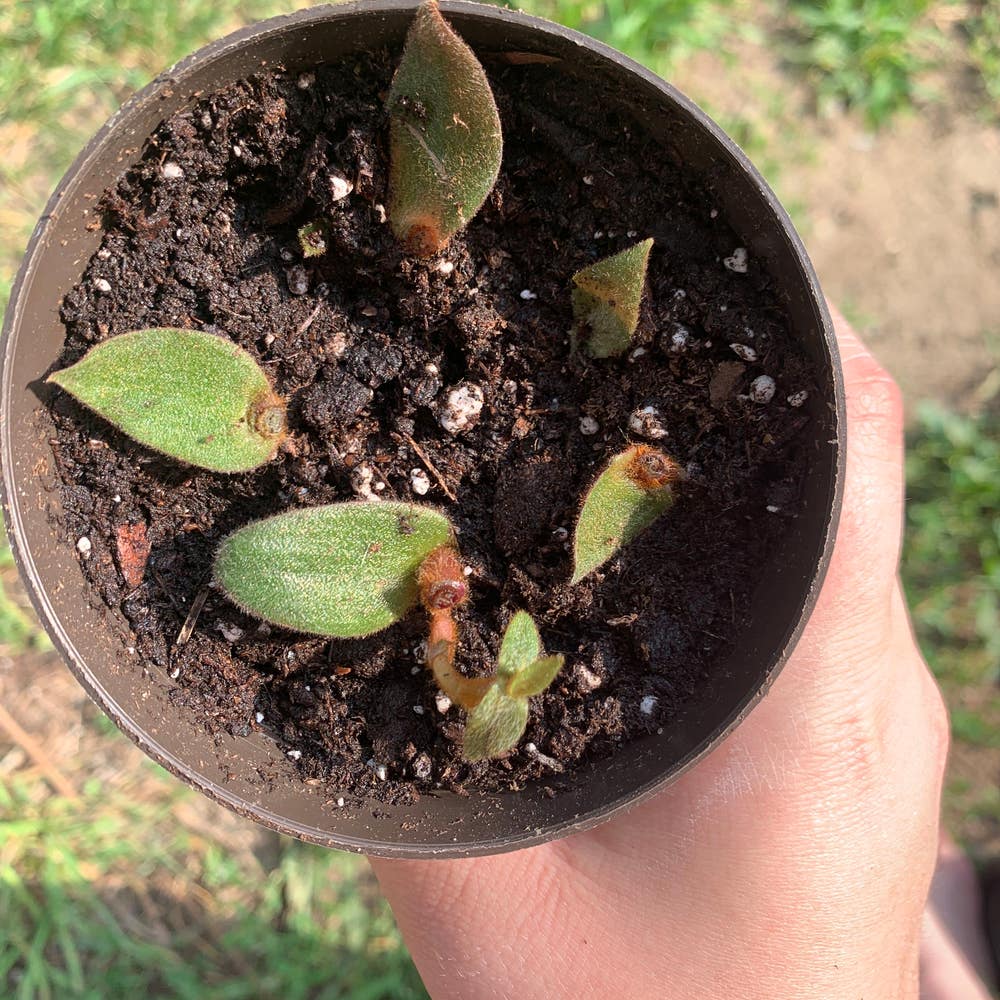
Propagation can be a rewarding way to expand your plant collection. Leaf cuttings are a simple method; just take healthy leaves and place them in soil to encourage new growth.
Another effective technique is division, where you split larger plants into smaller sections. This is best done in spring or early summer for optimal success, ensuring your new plants have the best chance to thrive.
These long-term care strategies will help you maintain a vibrant and healthy Cyanotis, ensuring it continues to flourish in your home. Next, let’s explore some effective treatment solutions for common issues you might encounter.
⚠️ Safety First
This content is for general information and may contain errors, omissions, or outdated details. It is not medical, veterinary advice, or an endorsement of therapeutic claims.
Always consult a qualified healthcare professional before using any plant as food, medicine, or supplement.
Never eat any plant (or feed one to pets) without confirming its identity with at least two trusted sources.
If you suspect poisoning, call Poison Control (800) 222-1222, the Pet Poison Helpline (800) 213-6680, or your local emergency service immediately.
Spotted an error? Please report it here.
Keep your Cyanotis vibrant and healthy 🌱 by using Greg for tailored watering reminders and care tips that ensure your plant thrives without the worry of falling leaves!