🌸 Ultimate Guide to Growing Erica
Erica scabriuscula
By the Greg Editorial Team
Nov 07, 2024•6 min read
This article was created with the help of AI so we can cover more plants for you. May contain errors. See one? Report it here.
Cultivate a stunning garden with thriving Erica plants by mastering essential care techniques! 🌱
- ☀️ Erica needs 6 hours of sunlight daily for optimal growth and flowering.
- 🌱 Acidic, well-drained soil is crucial for healthy Erica plants; aim for pH 4.5-6.0.
- 🌬️ Protect Erica from harsh winds to prevent stunted growth and foliage damage.
Choosing the Right Location
🌞 Sunlight Requirements
To thrive, Erica needs full sun exposure, which means at least 6 hours of direct sunlight daily. Without this, you may notice leggy growth and fewer flowers, diminishing the plant's beauty.
🌬️ Microclimate Considerations
Wind protection is crucial for Erica, as harsh winds can stunt growth and damage foliage. Additionally, selecting sheltered spots helps mitigate temperature fluctuations, ensuring your plants flourish in a stable environment.
By carefully considering these factors, you can create an ideal setting for your Erica to thrive. Next, let’s dive into soil preparation to ensure your plants have the right foundation for growth.
Soil Preparation
Ideal Soil Types and pH Levels 🌱
To grow healthy Erica plants, start with the right soil. They thrive in acidic, sandy loam or peat-based mixes, which provide excellent drainage and aeration.
Maintaining an optimal pH range of 4.5 to 6.0 is crucial. This acidity level supports nutrient availability, ensuring your plants get what they need to flourish.
Soil Amendments and Drainage Solutions 💧
Enhancing drainage is vital for Erica's success. Incorporate perlite or coarse sand into your soil mix to prevent waterlogging, which can lead to root rot.
Adding organic matter, like compost, not only improves soil structure but also enriches it with nutrients. This combination creates a thriving environment for your Erica plants, promoting robust growth and vibrant blooms.
With the right soil preparation, you're setting the stage for a flourishing garden. Next, let’s explore the best planting techniques to ensure your Erica thrives in its new home.
Planting Techniques
Best Planting Practices 🌱
Timing is crucial when planting Erica. Aim for early spring or fall, as these seasons provide the ideal conditions for establishing roots.
When it comes to planting techniques, dig a hole that is twice the width of the root ball. This allows the roots to spread out comfortably and promotes healthy growth.
Spacing and Depth Considerations 📏
For optimal air circulation, space your Erica plants 12 to 18 inches apart. This distance helps prevent overcrowding and encourages robust development.
Ensure that you plant at a depth level with the surrounding soil. This practice prevents rot and supports the plant's overall health.
With these planting techniques in mind, you're well on your way to cultivating a thriving Erica garden. Next, let's explore the essential aspects of watering and fertilizing to keep your plants flourishing.
Watering and Fertilizing
💧 Watering Needs
Frequency and Methods
Watering is crucial for the health of your Erica plants. Start with a deep watering right after planting to help establish strong roots.
Once established, maintain a weekly watering schedule during dry spells. Adjust this based on rainfall to prevent water stress.
Signs of Overwatering or Underwatering
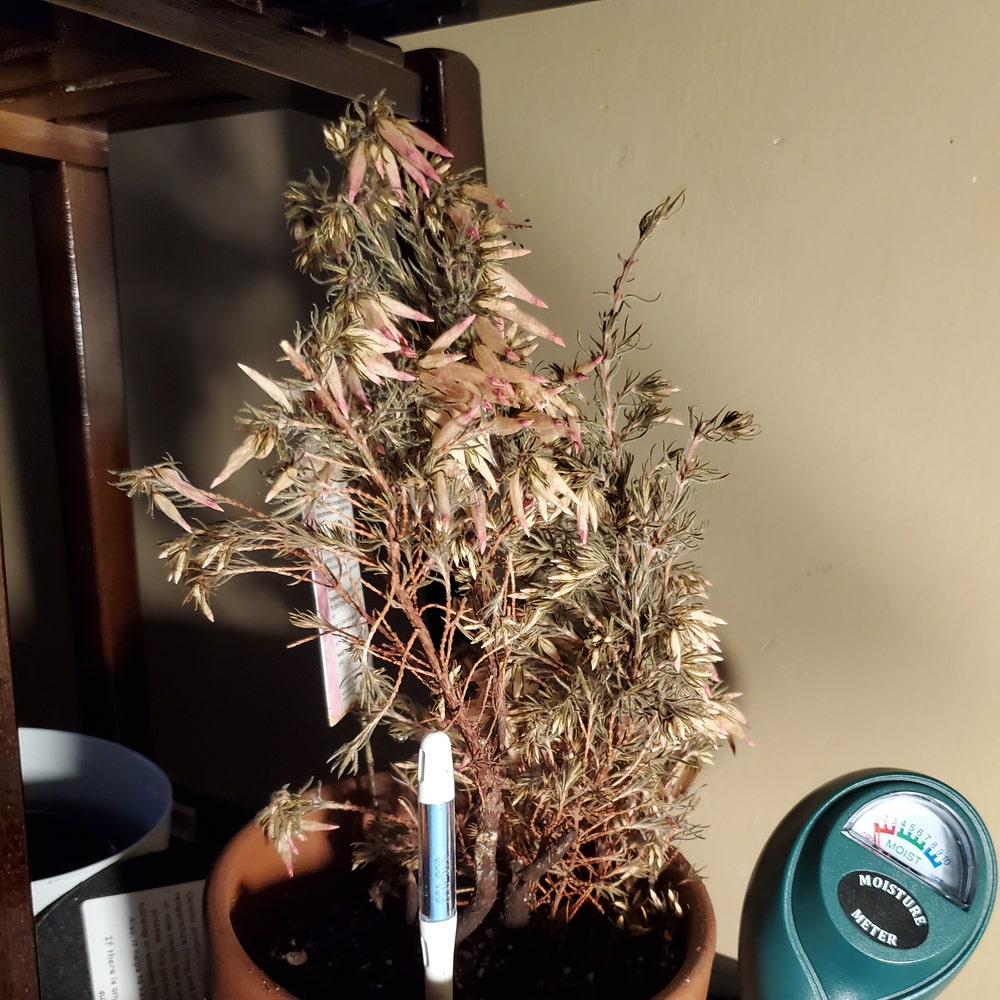
It's essential to recognize the signs of improper watering. Overwatering can lead to yellowing leaves and root rot, signaling that your plant is drowning.
On the flip side, underwatering manifests as wilting and browning leaf tips. Keep an eye out for these symptoms to ensure your Erica thrives.
🌱 Fertilizing
Recommended Fertilizers and Application Schedule
Fertilizing your Erica is key to promoting vibrant growth. Use acidic fertilizers like ammonium sulfate to match their natural preferences.
Apply fertilizer every 4-6 weeks during the growing season for optimal results. This regular feeding will keep your plants healthy and flourishing.
Organic vs. Synthetic Options
When it comes to fertilizers, you have options. Organic choices like compost tea and fish emulsion enrich the soil naturally.
Alternatively, synthetic options such as controlled-release fertilizers offer convenience and consistent feeding. Choose what aligns best with your gardening style and philosophy.
By mastering watering and fertilizing, you set the stage for a thriving Erica garden. Next, let’s explore pruning and maintenance to keep your plants in top shape.
Pruning and Maintenance
Pruning Techniques 🌿
When and How to Prune
Pruning your Erica is best done in late spring, right after the flowering period. This timing allows you to shape the plant while removing any dead wood, ensuring a healthy and vibrant growth for the season ahead.
Benefits of Pruning
Regular pruning encourages bushier growth by promoting new shoots. Additionally, it plays a crucial role in disease prevention by eliminating dead or diseased branches, keeping your plants robust and thriving.
Ongoing Care Routine 🌱
Seasonal Care Tips
In spring, focus on fertilizing and mulching to give your Erica the nutrients it needs. As fall approaches, start preparing for winter by gradually reducing watering to prevent root rot during the colder months.
Monitoring for Pests and Diseases
Make it a habit to conduct regular inspections of your plants for any signs of pests or diseases. Early intervention is key; catching issues before they escalate can save your Erica from significant damage and ensure its continued health.
By incorporating these pruning and maintenance practices, you’ll set your Erica up for success. Next, let’s explore the common challenges you might face and how to tackle them effectively.
Challenges and Solutions
🐛 Common Challenges
Pests and Diseases
Growing Erica can come with its share of challenges, particularly from pests and diseases. Common pests include aphids, spider mites, and scale insects, which can sap the vitality of your plants.
Diseases like root rot and powdery mildew can also pose significant threats. These issues often arise from improper watering or environmental stress, making vigilance essential.
🌪️ Environmental Stress Factors
Environmental stress factors can further complicate your gardening efforts. Drought stress is a major concern, especially during prolonged dry spells, leading to wilting and stunted growth.
Soil issues, such as compaction or poor drainage, can hinder root development. Addressing these problems early can save your plants from serious damage.
🛠️ Solutions and Preventive Measures
Integrated Pest Management Strategies
To combat pests, consider integrated pest management strategies. Introducing natural predators, like ladybugs, can help keep aphid populations in check.
Organic treatments, such as neem oil and insecticidal soaps, are effective against many pests. These solutions are not only safer for your plants but also for the environment.
🔄 Adjusting Care Routines
Adjusting your care routines can make a significant difference in plant health. Modifying watering schedules based on current weather conditions helps prevent both drought stress and overwatering.
Additionally, soil amendments can enhance drainage or acidity as needed. Regularly testing your soil can guide you in making the right adjustments for optimal growth.
By staying proactive and attentive, you can navigate these challenges effectively, ensuring your Erica thrives. Next, let’s explore the essential pruning and maintenance techniques to keep your plants in top shape.
⚠️ Safety First
This content is for general information and may contain errors, omissions, or outdated details. It is not medical, veterinary advice, or an endorsement of therapeutic claims.
Always consult a qualified healthcare professional before using any plant as food, medicine, or supplement.
Never eat any plant (or feed one to pets) without confirming its identity with at least two trusted sources.
If you suspect poisoning, call Poison Control (800) 222-1222, the Pet Poison Helpline (800) 213-6680, or your local emergency service immediately.
Spotted an error? Please report it here.
Transform your Erica into a blooming beauty 🌼 with Greg's personalized care tips and watering reminders that ensure your plant thrives in its ideal conditions!