How to Plant Your Erica ⛏️
Erica scabriuscula
By the Greg Editorial Team
Nov 07, 2024•6 min read
This article was created with the help of AI so we can cover more plants for you. May contain errors. See one? Report it here.
Unlock a vibrant garden by mastering proper planting techniques for your Erica plants! 🌱
- 🌱 Proper planting techniques reduce transplant shock and ensure healthy Erica growth.
- 🌿 Acidic, well-drained soil is essential for thriving Erica plants.
- 🌼 Transplant established Erica in spring or late summer for best results.
Importance of Proper Planting Techniques
Proper planting techniques are crucial for the success of your Erica plants. They ensure healthy growth and vibrant flowering, allowing your garden to flourish.
Additionally, using the right methods significantly reduces the risk of transplant shock and establishment problems. This means your plants can settle in more comfortably, leading to a thriving landscape.
When you plant correctly, you set the stage for a robust root system. This foundation is essential for nutrient uptake and overall plant health.
Moreover, well-planted Erica can adapt better to their environment. This adaptability enhances their resilience against pests and diseases, making your gardening efforts more rewarding.
In summary, investing time in proper planting techniques pays off in the long run. Your Erica will not only survive but thrive, bringing beauty and life to your garden.
As we explore the next section, we'll dive into the differences between planting new Erica and transplanting established ones.
New Erica vs. Transplanting Established Erica
🌱 Benefits of Planting New Erica
Planting new Erica can be a cost-effective solution, especially for larger areas. It allows you to choose from a variety of species and colors, ensuring that your garden reflects your personal style.
Additionally, new Erica plants tend to adapt better to local growing conditions. This adaptability can lead to healthier plants that thrive in your specific environment.
⚠️ Drawbacks of Planting New Erica
However, planting new Erica does come with some drawbacks. One major consideration is the longer time it takes for these plants to mature and produce flowers.
New Erica also requires more initial care and maintenance. This includes regular watering and monitoring to ensure they establish properly.
🌼 Benefits of Transplanting Established Erica
On the other hand, transplanting established Erica offers immediate visual impact in your garden. These plants can fill in spaces quickly, creating a lush appearance right away.
Established Erica also has the advantage of a developed root system. If transplanted correctly, these roots can adapt swiftly to their new environment, minimizing stress.
🚧 Drawbacks of Transplanting Established Erica
Despite the benefits, transplanting established Erica carries risks. One significant concern is transplant shock, which can lead to wilting or stunted growth.
Moreover, there’s a potential for damage to the root system during removal. Care must be taken to minimize disruption, ensuring the plant has the best chance of thriving in its new home.
In summary, both options have their merits and challenges. Choosing between planting new Erica or transplanting established ones depends on your garden goals and the level of commitment you're ready to invest.
Key Steps for Planting New Erica
🌱 Optimal Timing for Planting Based on Growth Cycle
The best time to plant new Erica is during early spring or fall when temperatures are mild. Avoid planting during extreme heat or frost, as these conditions can stress the plants and hinder their establishment.
🪴 Selecting the Appropriate Soil Mix and Containers
Erica thrives in acidic, well-drained soil with a pH between 4.5 and 6.0. If you're container gardening, choose pots with drainage holes and fill them with a mix of peat, pine bark, and perlite to ensure proper aeration and moisture retention.
📏 Proper Depth and Spacing for Planting
When planting, ensure that the root ball is level with the soil surface to promote healthy growth. Space your Erica plants 12-18 inches apart to allow for optimal air circulation and growth, preventing overcrowding.
🌤️ Maintaining Ideal Growing Conditions for Newly Planted Erica
Keep the soil consistently moist but not waterlogged to support your new Erica. Depending on the variety, they generally prefer full sun to partial shade, so choose a location that meets their light requirements.
🌳 Hardening Off Process Before Outdoor Planting
Before planting outdoors, gradually expose your Erica to outdoor conditions over 7-10 days. Start with just a few hours of sunlight each day, slowly increasing their exposure to help them acclimate without shock.
By following these key steps, you'll set your new Erica up for success in your garden. Next, let’s explore the essential steps for transplanting established Erica to ensure they thrive in their new home.
Key Steps for Transplanting Established Erica
🌱 Optimal Timing for Transplanting Based on Growth Cycle
Transplanting established Erica is best done in early spring or late summer. This timing ensures the plant is not actively flowering, allowing it to focus on root establishment in its new location.
📝 Step-by-Step Instructions for Transplanting Erica
Removing the Plant from Its Current Location
- Water the plant a day before to reduce stress and make the soil easier to work with.
- Carefully dig around the root zone, ensuring you keep as much soil intact as possible to protect the roots.
- Gently lift the plant from the ground, taking care not to damage the root system.
Preparing the New Planting Site
- Choose a new location that has similar soil and light conditions to the original site.
- If necessary, amend the soil with organic matter to enhance fertility and drainage.
- Dig a hole that is twice the width of the root ball and the same depth to give the roots ample space to spread.
Ensuring Proper Placement and Spacing
- Position the plant in the center of the hole, ensuring it sits at the same depth as it was previously growing.
- Fill in the hole with soil, making sure to eliminate any air pockets that could hinder root growth.
- Space the plants according to their variety needs, typically 12-18 inches apart for optimal air circulation and growth.
💧 Tips for Watering, Mulching, and Providing Support
After transplanting, water the plant thoroughly to help settle the soil around the roots.
Applying a 2-3 inch layer of mulch will help retain moisture and suppress weeds, creating a healthier environment for your Erica.
If your plant is tall or in a windy area, consider using stakes or supports to prevent it from toppling over as it establishes itself.
With these steps, you’ll set your established Erica up for success in its new home. Next, let’s explore how to troubleshoot common issues that may arise during the transplanting process.
Troubleshooting Common Issues
🥴 Understanding Transplant Shock
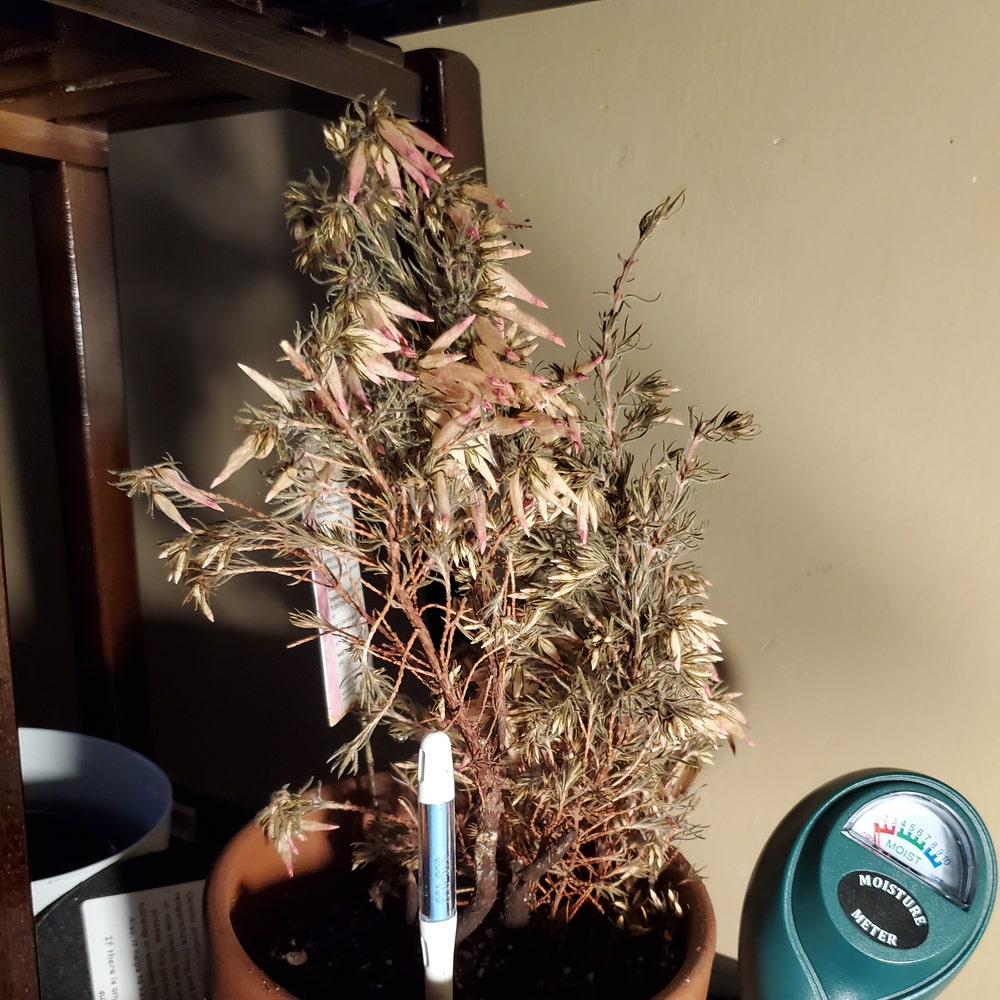
Transplant shock is a common hurdle for newly planted Erica. Symptoms include wilting, yellowing leaves, and stunted growth, signaling that the plant is struggling to adapt.
The primary causes of transplant shock are root disruption and sudden environmental changes. When roots are disturbed, the plant can’t absorb water and nutrients effectively, leading to these distress signals.
🏡 Addressing Establishment Problems
Establishment problems can manifest as slow growth or leaf drop. These signs indicate that the plant is not settling into its new environment as it should.
To combat these issues, ensure consistent watering to keep the soil moist but not soggy. Additionally, avoid over-fertilization, which can stress the plant further.
🐛 Solutions for Common Erica Problems
Erica plants can face various challenges, including pests like aphids and spider mites, as well as diseases such as root rot. Regular inspection is key to catching these problems early.
Preventative measures include maintaining proper watering techniques and ensuring soil health. Healthy soil supports robust plants, making them less susceptible to pests and diseases.
By staying vigilant and proactive, you can help your Erica thrive and enjoy a vibrant garden. Next, we’ll explore how to maintain ideal growing conditions for newly planted Erica.
⚠️ Safety First
This content is for general information and may contain errors, omissions, or outdated details. It is not medical, veterinary advice, or an endorsement of therapeutic claims.
Always consult a qualified healthcare professional before using any plant as food, medicine, or supplement.
Never eat any plant (or feed one to pets) without confirming its identity with at least two trusted sources.
If you suspect poisoning, call Poison Control (800) 222-1222, the Pet Poison Helpline (800) 213-6680, or your local emergency service immediately.
Spotted an error? Please report it here.
Plant your Erica with confidence 🌿 by using Greg's tailored care reminders and expert tips to ensure they thrive beautifully in your garden!