🌸 Why Erica Is A Perennial Plant
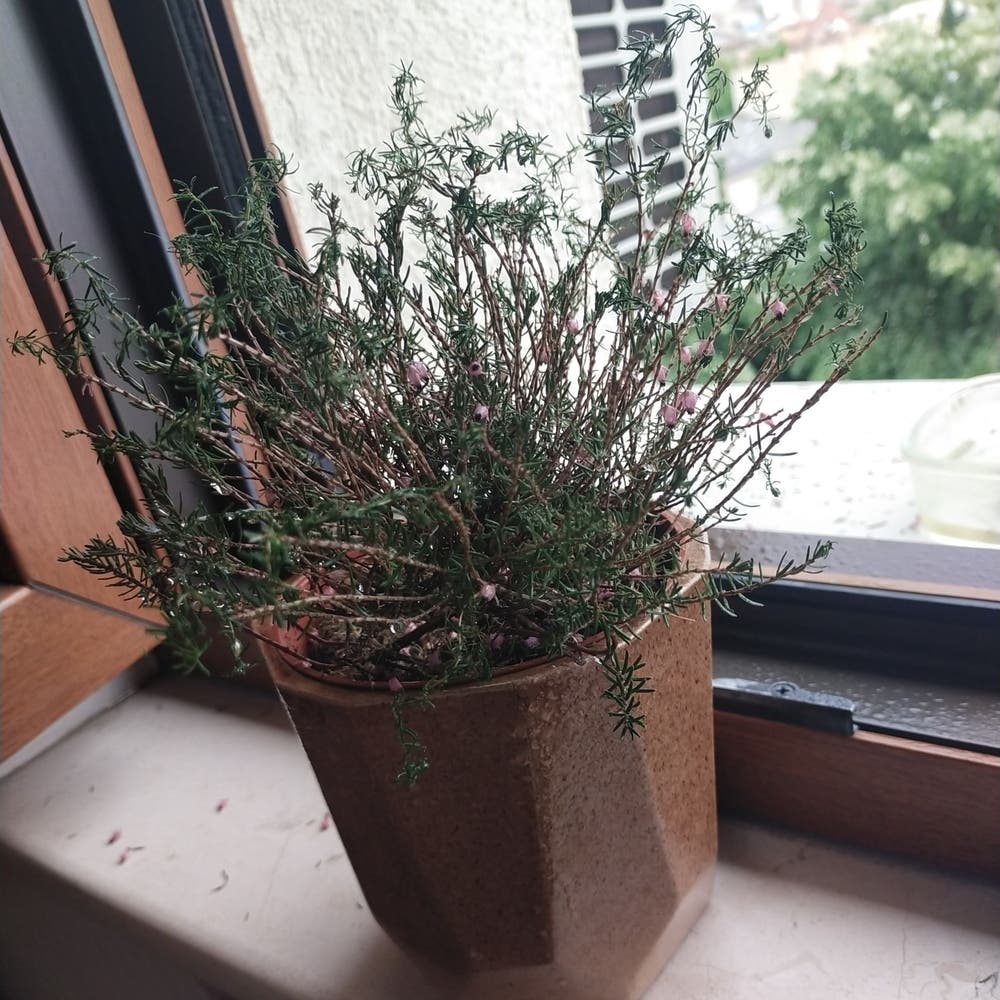
Erica scabriuscula
By the Greg Editorial Team
Nov 07, 2024•6 min read
This article was created with the help of AI so we can cover more plants for you. May contain errors. See one? Report it here.
Transform your garden with Erica's vibrant blooms and resilience, making maintenance a breeze! 🌱
- 🌼 Erica is a resilient perennial, thriving for decades with proper care and conditions.
- 🌍 Adaptable to various climates, Erica enhances garden landscapes year-round with minimal maintenance.
- 🌱 Well-drained, acidic soil is crucial for vibrant blooms and healthy growth in Erica plants.
Erica as a Perennial
Perennial plants are the champions of the garden world, living for more than two years and regrowing from the same root system each year. This resilience makes them a favorite among gardeners and landscapers alike.
🌱 Characteristics of Erica
Erica, commonly known as heather, showcases a remarkable multi-year lifecycle. It thrives through various growing seasons, adapting to its environment with ease.
Growth Patterns
Different species of Erica exhibit variability in their growth patterns, influenced by environmental conditions. This adaptability allows them to flourish in diverse climates and settings.
Root Regrowth
One of the most fascinating aspects of Erica is its ability to utilize established root systems for annual regrowth. This characteristic not only supports its longevity but also enhances its resilience against environmental stresses.
Understanding these characteristics is crucial for anyone looking to incorporate Erica into their gardening plans. The perennial nature of Erica not only enriches the landscape but also simplifies maintenance, making it a smart choice for both novice and experienced gardeners.
As we explore the impact of Erica's perennial nature on growth and flowering, we'll uncover how these traits contribute to its beauty and longevity in the garden.
Impact of Perennial Nature on Growth and Flowering
Flowering Cycles 🌸
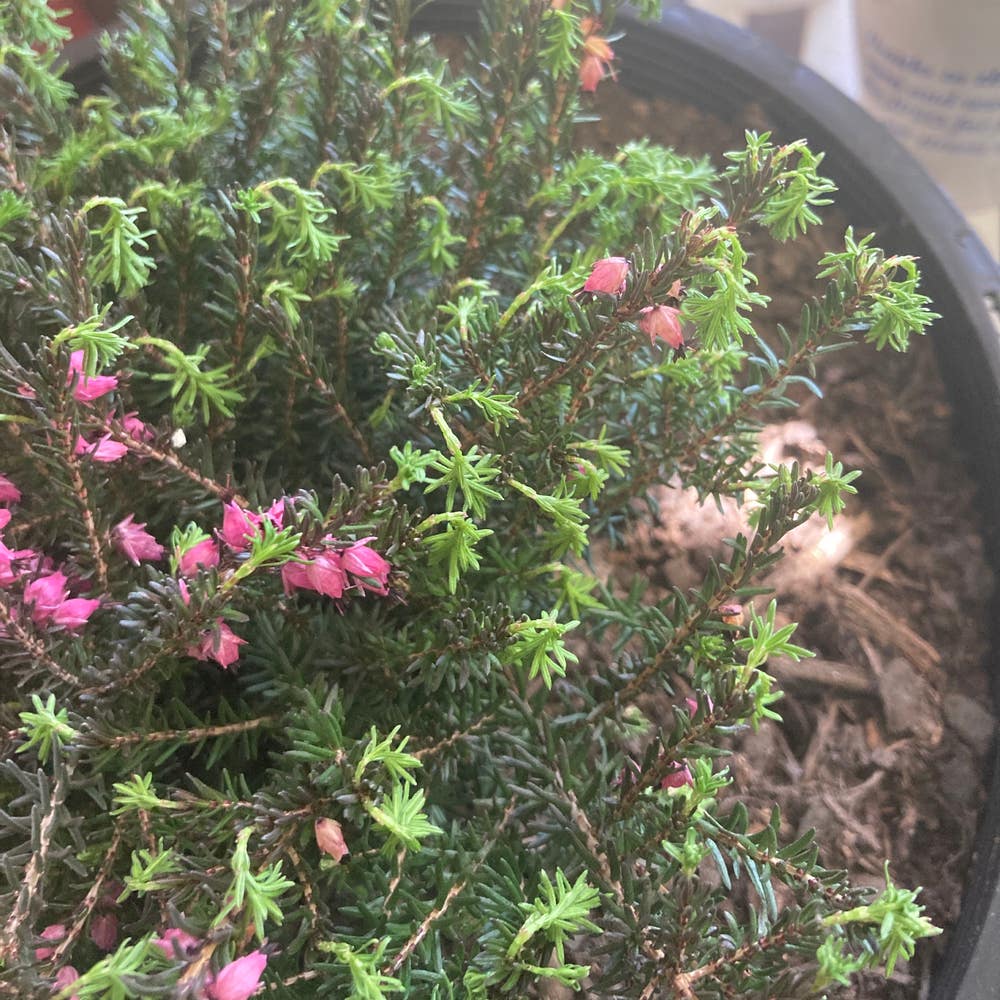
Erica plants are known for their vibrant blooms, which typically occur during specific seasons. The timing and duration of these flowering periods can vary widely, often aligning with local climate conditions.
Several factors influence the flowering of Erica, including climate, soil conditions, and care practices. For instance, a well-drained, acidic soil can enhance bloom quality, while consistent watering can prolong the flowering season.
Longevity and Lifespan ⏳
One of the remarkable aspects of Erica is its longevity. Depending on the species, these plants can live anywhere from several years to several decades, making them a lasting addition to any garden.
However, their lifespan is influenced by various factors. Environmental conditions, such as temperature and humidity, along with proper care and species-specific traits, play a crucial role in determining how long these plants thrive.
In summary, understanding the flowering cycles and longevity of Erica can significantly enhance your gardening experience. This knowledge allows for better planning and care, ensuring that these beautiful perennials continue to flourish in your garden.
Next, we will delve into the dormancy and seasonal changes that affect Erica's growth patterns.
Dormancy and Seasonal Changes
🌱 Dormancy Periods
Dormancy in Erica species is a fascinating survival strategy. Triggered by environmental factors like temperature drops and reduced daylight, this period allows the plant to conserve energy and resources.
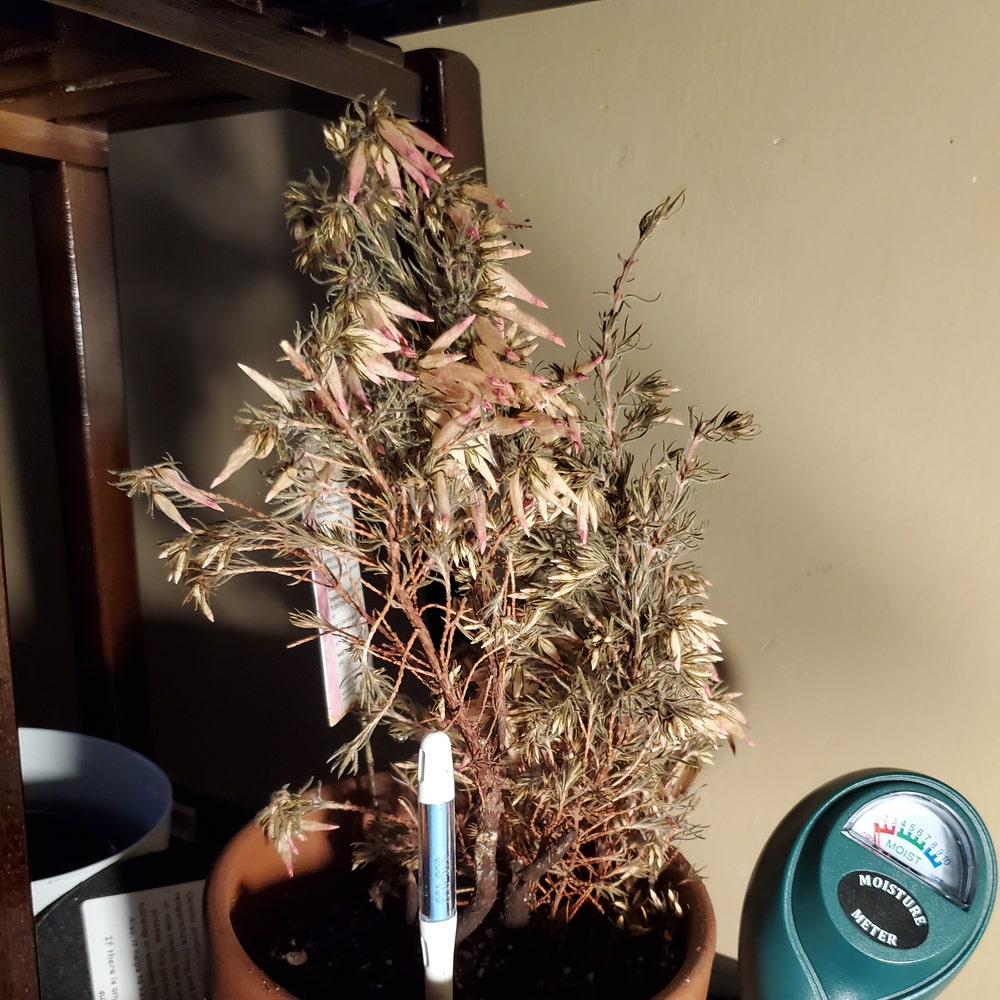
Identifying dormancy is straightforward. Look for signs such as wilting leaves, slowed growth, and a lack of new blooms, indicating that your Erica is resting and preparing for the next growing season.
🌼 Seasonal Growth Changes
Erica exhibits distinct growth patterns throughout the seasons. In spring, you’ll see vibrant new growth as the plant awakens, followed by a flourishing display of flowers in summer.
As autumn approaches, Erica begins to prepare for dormancy, shedding some leaves and slowing its growth. During winter, the plant enters a restful state, conserving energy until the warmth of spring beckons it back to life.
🍂 Adaptations to Seasonal Changes
Erica is remarkably adaptable to seasonal changes. It adjusts its growth and flowering based on climate conditions, ensuring it thrives in various environments.
For instance, in warmer climates, Erica may bloom earlier, while in cooler regions, it may delay flowering until conditions are optimal. This flexibility is key to its success as a perennial plant, allowing it to flourish year after year.
Understanding these dormancy and seasonal changes can enhance your gardening experience, ensuring your Erica remains healthy and vibrant through every season.
Advantages of Erica's Perennial Nature
🌱 Benefits for Gardeners
One of the standout advantages of Erica as a perennial plant is its reduced replanting needs. Once established, these plants can thrive for years, making them a long-term investment for any garden.
Additionally, Erica's established root systems enhance resilience and resource acquisition. This means they can better withstand environmental stresses and access nutrients and water more efficiently, leading to healthier growth overall.
With these benefits, incorporating Erica into your garden not only simplifies maintenance but also enriches the landscape with vibrant, enduring beauty.
💰 Long-Term Investment
Investing in perennial plants like Erica allows gardeners to create a lush environment without the hassle of frequent replanting. This not only saves time and effort but also fosters a more sustainable gardening practice.
Moreover, the longevity of Erica plants means that they can become a staple in your garden design. Their ability to adapt and thrive over the years adds a dynamic element to your outdoor space, ensuring it remains vibrant season after season.
In summary, the perennial nature of Erica provides significant advantages for gardeners, making it a smart choice for those looking to cultivate a thriving, low-maintenance garden.
As we explore further, let’s delve into how the perennial characteristics of Erica influence its growth and flowering cycles.
Variations in Perennial Behavior
🌍 Climate Zone Influences
Erica species thrive in various climate zones, each offering unique conditions that affect their growth. From temperate regions to more arid climates, understanding these zones helps gardeners select the right Erica for their landscape.
Temperature plays a significant role in the health of Erica plants. Warmer climates can encourage earlier blooming, while cooler areas may delay flowering. Humidity levels also influence growth; higher humidity can promote lush foliage, while dry conditions might stress the plants.
Soil type is another critical factor. Erica prefers acidic soils, which are often found in heathland and woodland environments. These soils provide essential nutrients that support the plant's growth and flowering cycles.
🌱 Growing Conditions
Soil preferences are paramount for successful Erica cultivation. Acidic soils not only enhance nutrient availability but also create an environment where Erica can flourish. Gardeners should test their soil pH and amend it if necessary to meet these requirements.
Watering and drainage are equally important. Erica plants thrive in well-drained soils, as excessive moisture can lead to root rot. Establishing a proper watering routine, especially during dry spells, ensures that these perennials remain healthy and vibrant.
By understanding these variations in perennial behavior, gardeners can create optimal conditions for Erica, leading to a thriving garden. This knowledge sets the stage for effective garden planning and maintenance, ensuring that Erica continues to bring beauty and resilience to outdoor spaces.
Maximizing Benefits in Garden Planning
Tips for Long-Term Cultivation 🌱
To ensure your Erica plants thrive, start with proper planting techniques. Choose a location with well-draining, acidic soil, as this is crucial for their health.
Regular maintenance is key to longevity. Water your Erica consistently, but avoid overwatering, which can lead to root rot.
Planning for Erica in Garden Design 🏡
When incorporating Erica into your garden, think strategically about placement. Position them where they can receive adequate sunlight while also considering their height and spread for visual appeal.
Companion planting can enhance your garden's ecosystem. Pairing Erica with other compatible plants can improve growth and create a vibrant, diverse landscape.
Incorporating these practices will not only maximize the benefits of your Erica plants but also create a flourishing garden environment. As you plan, remember that thoughtful design and care will yield beautiful results for years to come.
⚠️ Safety First
This content is for general information and may contain errors, omissions, or outdated details. It is not medical, veterinary advice, or an endorsement of therapeutic claims.
Always consult a qualified healthcare professional before using any plant as food, medicine, or supplement.
Never eat any plant (or feed one to pets) without confirming its identity with at least two trusted sources.
If you suspect poisoning, call Poison Control (800) 222-1222, the Pet Poison Helpline (800) 213-6680, or your local emergency service immediately.
Spotted an error? Please report it here.
Discover the vibrant resilience of Erica 🌼 and let Greg provide you with personalized care reminders to keep your perennial blooms thriving year after year!