What to Do About Curling Leaves on Your Erica 🍃
Erica scabriuscula
By the Greg Editorial Team
Nov 07, 2024•5 min read
This article was created with the help of AI so we can cover more plants for you. May contain errors. See one? Report it here.
Revive your curling Erica leaves with these essential care tips and watch your plant thrive! 🌱
- 🌱 Curling leaves indicate stress from watering, pests, or nutrient deficiencies.
- 🌡️ Ideal temperature for Erica is 15°C to 25°C; extremes cause curling.
- 💧 Maintain 40%-60% humidity to prevent dry tips and curling leaves.
Causes of Curling Leaves
🌪️ Environmental Stress Factors
Temperature extremes can wreak havoc on your Erica. The ideal temperature range is between 15°C to 25°C (59°F to 77°F); anything outside this can lead to symptoms like leaf curling and discoloration.
Humidity also plays a crucial role. Erica thrives in humidity levels of 40% to 60%. When humidity drops, you might notice dry leaf tips and curling, signaling that your plant is stressed.
💧 Watering Issues
Watering practices are vital for maintaining healthy leaves. Overwatering is a common mistake, leading to yellowing leaves and soggy soil, which can cause root rot and subsequent leaf curl.
On the flip side, underwatering can be just as damaging. Signs include wilting and crispy leaf edges, both of which indicate stress that can lead to curling leaves.
🥦 Nutrient Deficiencies
Nutrient deficiencies can significantly impact your Erica's health. A nitrogen deficiency often manifests as pale leaves and stunted growth, resulting in curling due to a lack of vigor.
Potassium deficiency is another culprit. Symptoms include marginal leaf burn and curling, highlighting potassium's essential role in overall plant health.
🐜 Pest Infestations
Pests can be a real nuisance for your Erica. Aphids are common offenders, leaving behind sticky residue and causing curled leaves as they suck sap from the plant, weakening it.
Spider mites are another threat. Look for fine webbing and stippled leaves, which indicate reduced vigor and can lead to leaf curl if not addressed promptly.
🍄 Fungal Diseases
Fungal diseases can also contribute to curling leaves. Root rot is a serious issue, often characterized by wilting and yellowing leaves, typically caused by overwatering and poor drainage.
Leaf spot is another fungal concern. It presents as dark spots on leaves, which can lead to curling, especially in humid conditions where fungal pathogens thrive.
Understanding these causes is crucial for diagnosing and treating curling leaves on your Erica. By addressing environmental stress, watering issues, nutrient deficiencies, pest infestations, and fungal diseases, you can help your plant thrive. Next, we’ll explore how to diagnose curling leaves effectively.
Diagnosing Curling Leaves
Identifying Symptoms of Leaf Curl 🌿
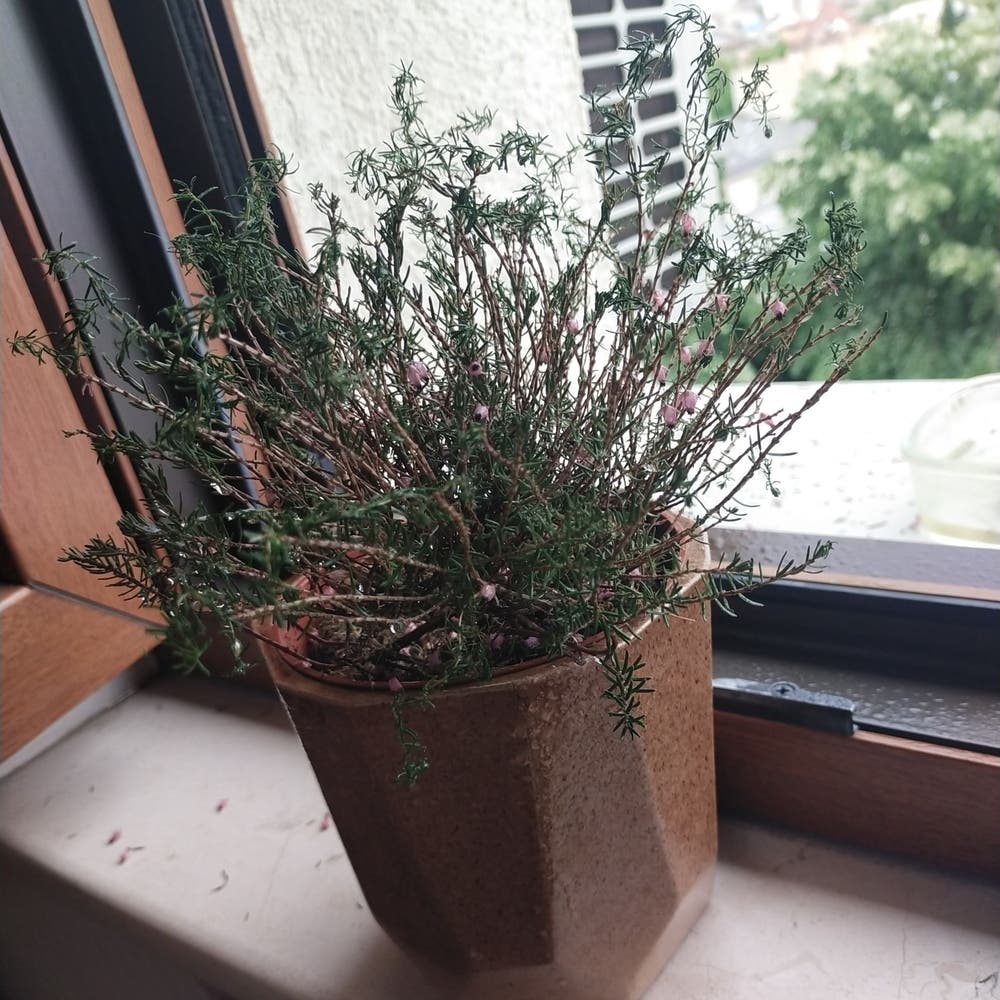
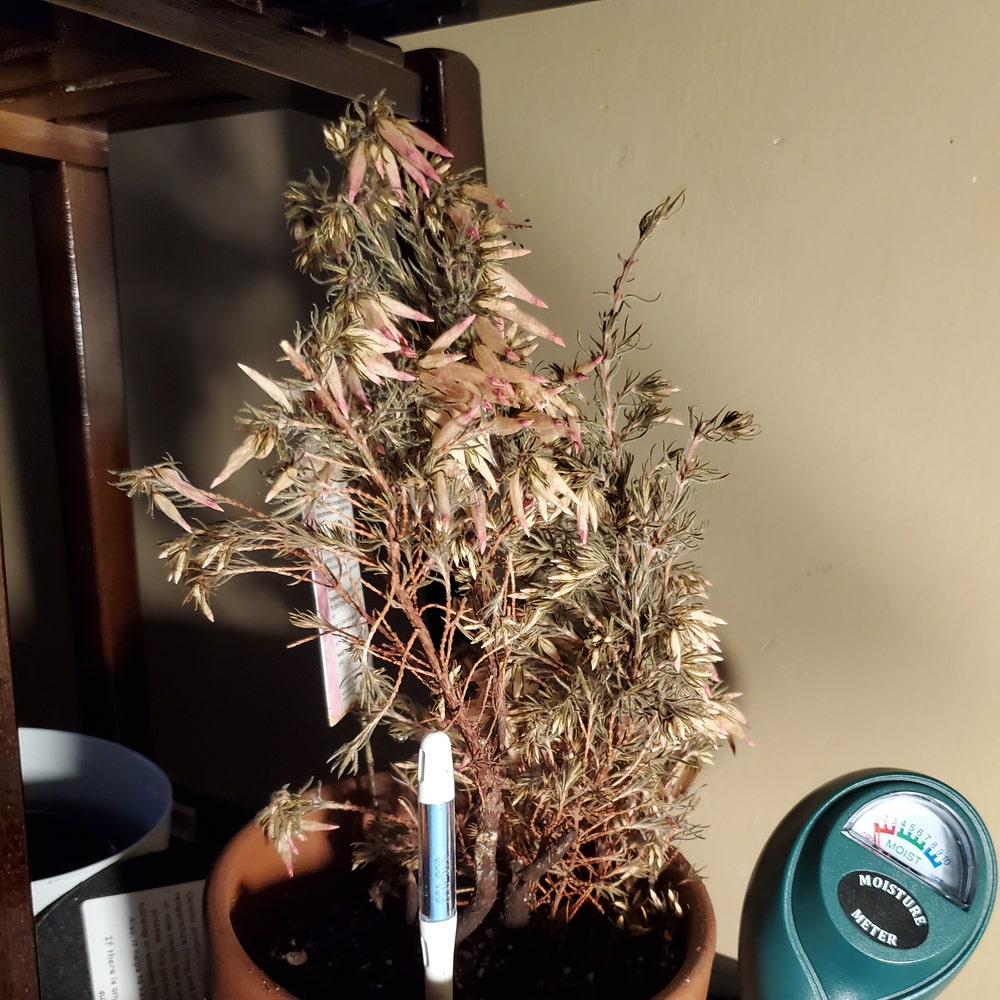
Curling leaves can be a clear indicator that your Erica is experiencing stress. Look for visual signs such as leaves curling inward or outward and color changes like yellowing or browning edges.
Differentiating Between Pest Damage and Environmental Stress 🐛
Understanding the cause of leaf curl is crucial. Check for pest damage, which often presents as visible insects or webbing, while environmental stress typically shows consistent symptoms without any pests in sight.
Assessing Soil Moisture and Drainage 💧
Proper soil moisture and drainage are vital for plant health. Use the finger test by inserting your finger 1-2 inches into the soil to check moisture levels, or employ a soil moisture meter for more accurate readings.
Importance of Drainage
Good drainage prevents water pooling and soggy soil, which can lead to root rot. Signs of poor drainage include water collecting on the surface or soil that remains consistently wet.
By diagnosing these symptoms accurately, you can take the necessary steps to restore your Erica's health. Next, we’ll explore effective solutions for curling leaves to help your plant thrive again.
Solutions for Curling Leaves
🌊 Adjusting Watering Practices
Proper watering is crucial for maintaining healthy Erica plants. To check soil moisture, you can use the finger test or a moisture meter.
- Insert your finger 1-2 inches into the soil to feel for moisture.
- Water only when the top 1-2 inches of soil are dry.
For most conditions, watering every 1-2 weeks is ideal. Adjust this frequency based on the specific environmental conditions your plant is in.
🌱 Fertilizing Tips for Nutrient Deficiencies
If your Erica shows signs of nutrient deficiencies, consider using a balanced NPK fertilizer, such as a 10-10-10 mix. Apply this fertilizer every 4-6 weeks during the growing season to support robust growth.
Watch for signs of improvement, like new growth and healthier leaves. This indicates that your plant is responding well to the added nutrients.
🐛 Pest Control Methods
Pests can wreak havoc on your Erica, but there are effective control methods available. For organic options, neem oil is a great choice; apply it every 1-2 weeks to keep pests at bay.
Insecticidal soap is another safe option for both indoor and outdoor use. If the infestation is severe, systemic insecticides may be necessary. Use these with caution and follow application tips to minimize harm to beneficial insects.
🍄 Treating Fungal Infections
Fungal infections can be detrimental to your Erica's health. Copper-based or sulfur-based fungicides are recommended for treatment, and it's best to apply them at the first sign of infection.
Additionally, improving air circulation around your plants can help prevent future issues. Regular pruning and proper spacing between plants are effective cultural practices to maintain a healthy environment.
By implementing these solutions, you can effectively address curling leaves on your Erica and promote a thriving plant. Next, let’s explore some preventative measures to keep your Erica healthy year-round.
Preventative Measures
Best Practices for Care 🌞
To keep your Erica healthy, start with the right light conditions. Aim for full sun to partial shade, providing 6-8 hours of sunlight daily.
Next, focus on soil requirements. Erica thrives in acidic, well-draining soil with a pH between 4.5 and 6.0, ensuring optimal nutrient uptake.
Watering is crucial as well. Maintain consistent moisture without waterlogging to prevent root issues.
Regular Inspection for Pests and Diseases 🕵️♀️
Regular inspections can save your plant from potential disasters. Aim for weekly checks during the growing season to catch any problems early.
Look for changes in leaf color or the presence of pests. Early detection is key to effective management.
Seasonal Care Adjustments 🍂
Adjusting your care routine with the seasons is essential. In winter, consider mulching to protect the roots from frost damage.
During the summer, increase watering to accommodate the hotter temperatures. Keeping your Erica hydrated will help it thrive through the heat.
With these preventative measures in place, your Erica will be better equipped to handle environmental stresses and stay vibrant. Next, let’s explore how to diagnose curling leaves effectively.
⚠️ Safety First
This content is for general information and may contain errors, omissions, or outdated details. It is not medical, veterinary advice, or an endorsement of therapeutic claims.
Always consult a qualified healthcare professional before using any plant as food, medicine, or supplement.
Never eat any plant (or feed one to pets) without confirming its identity with at least two trusted sources.
If you suspect poisoning, call Poison Control (800) 222-1222, the Pet Poison Helpline (800) 213-6680, or your local emergency service immediately.
Spotted an error? Please report it here.
Revive your curling Erica leaves with tailored care tips 🌱 from Greg, ensuring proper watering and nutrients for a thriving plant!