Erica Is Not an Annual
Erica scabriuscula
By the Greg Editorial Team
Nov 07, 2024•6 min read
This article was created with the help of AI so we can cover more plants for you. May contain errors. See one? Report it here.
Transform your garden with resilient Erica plants, offering year-round beauty and sustainability! 🌱
- 🌱 Erica is an evergreen perennial, thriving year-round with diverse growth patterns.
- 🌼 Long lifespan and seasonal blooms attract pollinators, enhancing garden biodiversity.
- 🌍 Proper care and soil preparation ensure Erica's health and longevity in various climates.
Erica's Perennial Characteristics
🌱 Genetic Traits
Erica plants are known for their evergreen foliage, which allows them to retain leaves year-round. This characteristic not only enhances their visual appeal but also supports their survival in various climates.
Genetic adaptations play a crucial role in Erica's resilience. These traits enable them to thrive in diverse environments, ensuring long-term survival even under challenging conditions.
🌿 Physiological Traits
The root system of Erica is deep and extensive, which aids significantly in nutrient and water uptake. This robust root structure is essential for the plant's overall health and stability.
Additionally, Erica exhibits remarkable drought resistance. These adaptations allow them to survive in low-water conditions, making them a suitable choice for gardens in arid regions.
⏳ Long-term Lifecycle
Erica plants typically have a lifespan of several years, with some species living for decades. This longevity sets them apart from many other garden plants, offering a lasting presence in your landscape.
Their seasonal growth includes distinct dormancy periods and active growth phases. Understanding these cycles helps gardeners provide the best care throughout the year.
📈 Growth Patterns
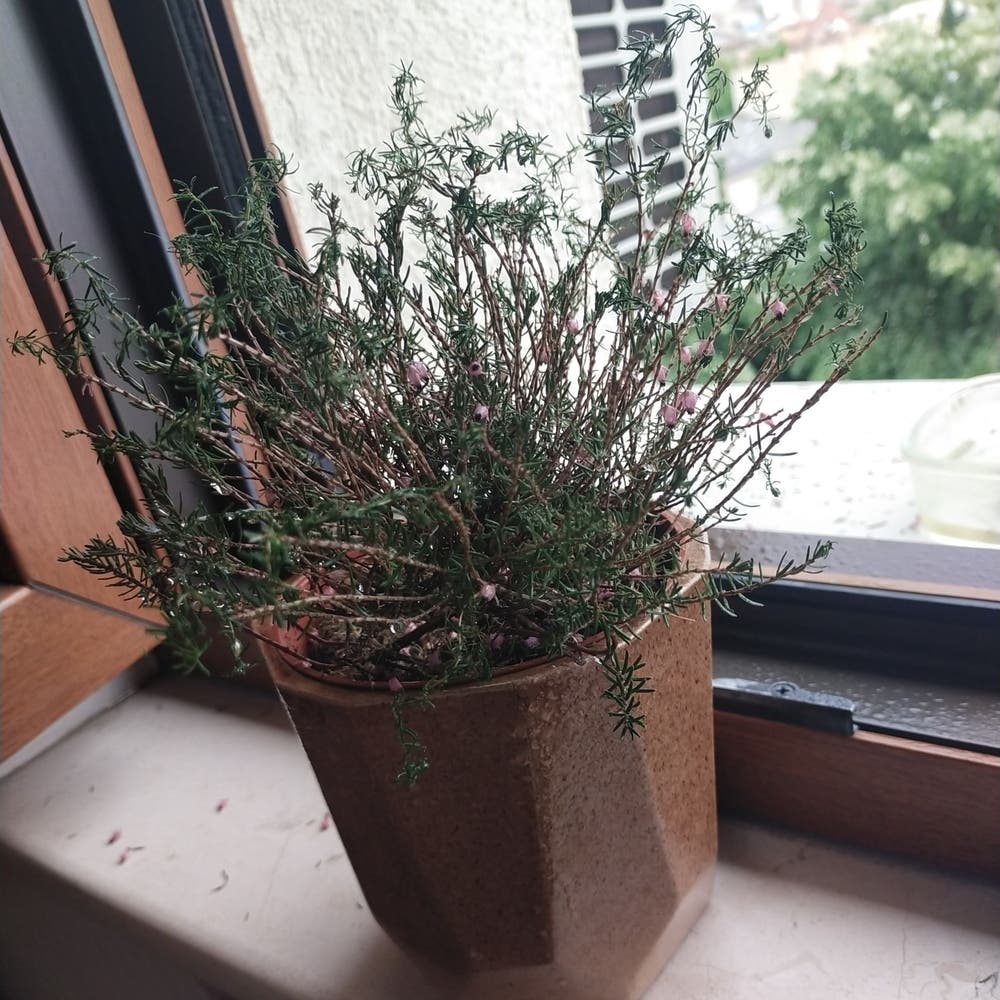
The growth habit of Erica varies, with some species developing shrubby forms while others spread as ground cover. This diversity allows for creative landscaping options.
There is also significant variability in growth rates and forms among different Erica varieties. This means that gardeners can select species that best fit their aesthetic and functional needs.
In summary, Erica's perennial characteristics make them a valuable addition to any garden. Their genetic and physiological traits, long-term lifecycle, and diverse growth patterns contribute to their appeal and adaptability. Next, we will explore Erica's reproductive strategies, which further highlight their unique qualities.
Reproductive Strategies
🌸 Flowering Cycles
Erica species exhibit varied flowering periods, which can range from early spring to late fall. This diversity allows for a continuous display of blooms, attracting different pollinators throughout the growing season.
Pollination is crucial for Erica's reproductive success. By attracting specific pollinators, such as bees and butterflies, these plants enhance their chances of producing viable seeds.
🌱 Seed Production
Erica employs several seed dispersal mechanisms to ensure its survival. Seeds can be carried by wind, water, or even animals, allowing them to reach new locations where they can germinate.
The seeds of Erica are remarkably resilient. They can remain dormant for extended periods, waiting for the right conditions to sprout, which is vital for their long-term survival.
🌼 Comparison with True Annuals
Unlike true annuals, which focus on rapid seed production, Erica invests in sustained growth and flowering. This strategy allows it to thrive over multiple seasons, creating a more stable presence in the garden.
Erica's longer lifecycle significantly influences its reproductive strategies. By prioritizing longevity, these plants can adapt their flowering and seed production to maximize their chances of survival in varying conditions.
As we explore the misconceptions surrounding Erica, it’s essential to understand how these reproductive strategies contribute to its classification as a perennial.
Misconceptions and Exceptions
🌱 Conditions Where Erica May Be Mistaken for an Annual
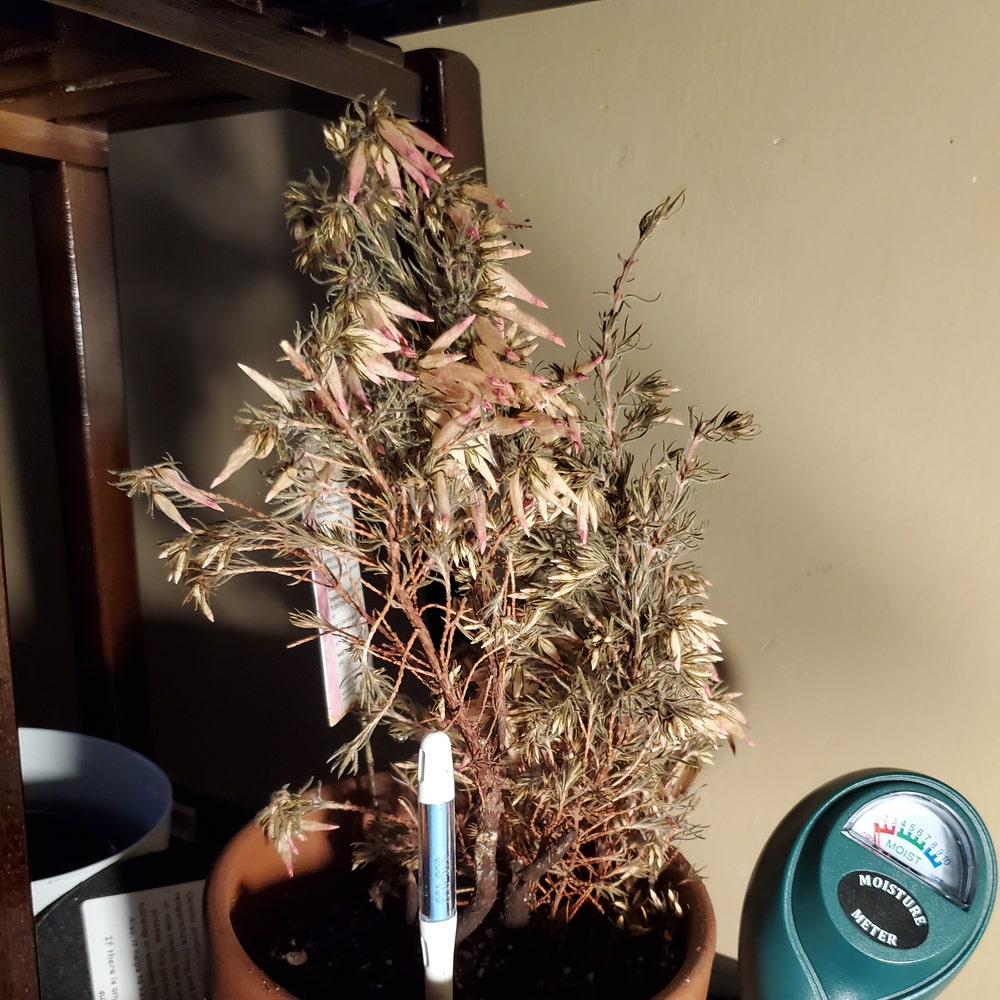
Erica can sometimes be misidentified as an annual due to non-ideal growing conditions. Poor soil quality or inadequate water supply can stunt its growth, leading to a perception that it is short-lived.
Extreme seasonal variations can also impact Erica's appearance. Harsh weather conditions may disrupt its growth patterns, causing it to appear less robust than it truly is.
🌍 Regional Variations Affecting Classification
The climate plays a significant role in how Erica develops and blooms. Different environmental conditions can lead to variations in growth habits and flowering cycles, making it essential to consider local climate factors.
Moreover, Erica's ability to adapt to local conditions can influence its classification. Variability in care practices based on geography often leads to misunderstandings about its true nature.
❌ Common Mistakes in Treatment
One of the most common misconceptions is assuming that all Erica species behave like annuals. This misunderstanding can lead to improper care and treatment, ultimately affecting the plant's health.
Incorrect care practices, such as over-fertilization or improper watering, can also lead to premature decline. It's crucial to understand Erica's unique needs to ensure its longevity and vitality.
In summary, recognizing these misconceptions and exceptions is vital for successful Erica cultivation. Understanding its true nature will help gardeners appreciate its perennial beauty and resilience.
Garden Design and Planting Strategies
🌱 Advantages of Using Erica
Incorporating Erica into your garden is a smart, long-term investment. These perennials not only reduce the need for frequent replanting but also offer sustainability that annuals simply can't match.
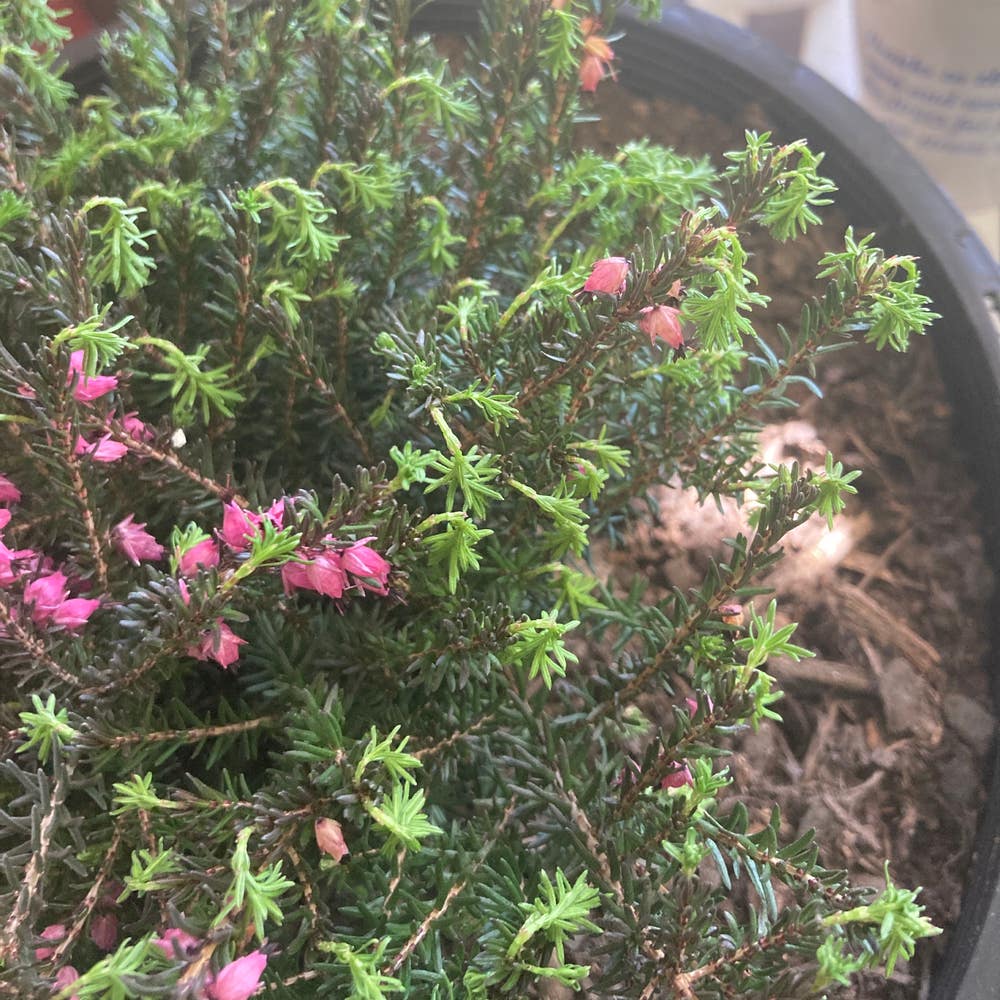
Erica's aesthetic appeal is undeniable. With their evergreen foliage and varied flowering times, they provide year-round visual interest, making your garden vibrant in every season.
🗺️ Planning Garden Layouts
When planning your garden layout, consider how Erica can enhance your design. They fit beautifully into perennial borders or mixed beds, adding texture and color.
To keep your garden lively, choose Erica species that bloom at different times. This staggered blooming ensures that your garden remains in full bloom throughout the growing season.
🌼 Companion Planting
Companion planting with Erica can lead to a thriving garden ecosystem. Pair them with plants that share similar care needs to enhance overall garden health.
Additionally, Erica attracts pollinators and beneficial insects, boosting biodiversity. This ecological benefit not only supports your plants but also creates a lively garden environment.
As you design your garden with Erica, remember that thoughtful planning and companion planting can maximize both beauty and ecological health. Next, let’s explore how to maximize the longevity of your Erica plants for lasting enjoyment.
Maximizing Longevity
Tips for Managing Erica 🌱
To ensure your Erica thrives, start with soil preparation. Aim for well-draining, nutrient-rich soil that supports healthy root development.
Next, establish consistent watering practices. Regular watering helps maintain moisture levels, especially during dry spells, promoting robust growth.
Seasonal Care Considerations 🌸
Pruning is essential for maintaining the shape and health of your Erica. Timing is key; prune after flowering to encourage new growth without sacrificing blooms.
When it comes to fertilization, choose the right types and timing for perennial growth. A balanced, slow-release fertilizer can provide the nutrients needed throughout the growing season.
Common Challenges and Solutions 🐛
Pest management is crucial for keeping your Erica healthy. Regularly inspect your plants for common pests like aphids or spider mites, and take action promptly to control infestations.
Lastly, focus on disease prevention. Implement best practices such as proper spacing and air circulation to minimize the risk of fungal infections and other diseases.
By following these tips, you can maximize the longevity of your Erica, ensuring it remains a vibrant part of your garden for years to come. Next, let’s explore how to design your garden effectively with Erica in mind.
⚠️ Safety First
This content is for general information and may contain errors, omissions, or outdated details. It is not medical, veterinary advice, or an endorsement of therapeutic claims.
Always consult a qualified healthcare professional before using any plant as food, medicine, or supplement.
Never eat any plant (or feed one to pets) without confirming its identity with at least two trusted sources.
If you suspect poisoning, call Poison Control (800) 222-1222, the Pet Poison Helpline (800) 213-6680, or your local emergency service immediately.
Spotted an error? Please report it here.
Unlock the evergreen beauty of Erica plants 🌿 with Greg's tailored care reminders and expert tips, ensuring your garden thrives season after season!