🌸 Ultimate Guide to Erica Flowers
Erica scabriuscula
By the Greg Editorial Team
Nov 07, 2024•4 min read
This article was created with the help of AI so we can cover more plants for you. May contain errors. See one? Report it here.
Uncover the stunning resilience of Erica plants, whether they bloom or showcase their lush foliage! 🌿
- 🌸 Erica flowers are vibrant and diverse, with colors like pink, purple, and red.
- 🌱 Some Erica species are prized for foliage, not just their flowers.
- 🌿 Proper care ensures blooming, including sunlight, soil, and low-nitrogen fertilizers.
Flowering Status
Clarification on Flower Production 🌸
Erica, a fascinating genus of flowering plants, does indeed produce flowers. These blooms are a standout feature for many species, adding vibrant colors and unique shapes to gardens and landscapes.
However, not all Erica species are celebrated for their flowers. Some are primarily cultivated for their lush foliage, which can be just as captivating. This dual appeal makes Erica a versatile choice for various gardening styles.
If Erica Flowers
🌼 Flower Characteristics
Description of Flower Colors and Structure
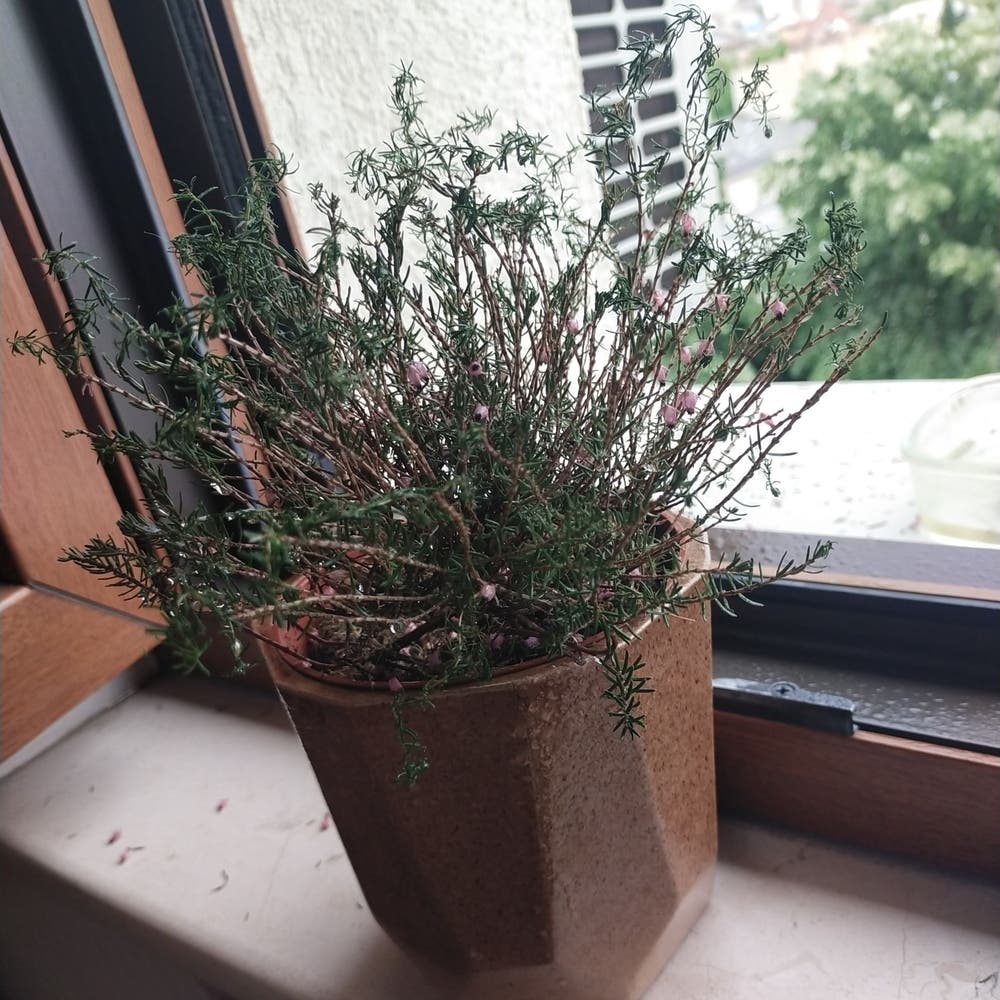
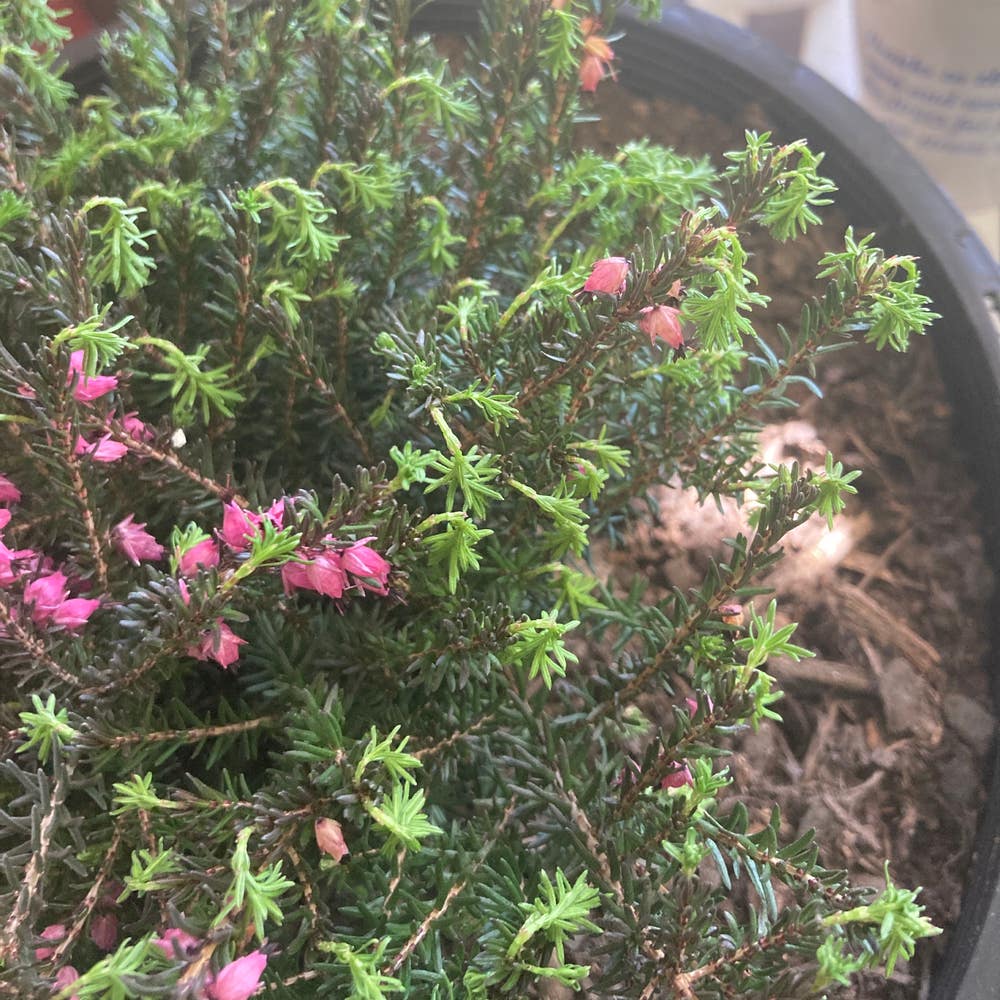
Erica flowers are typically small, tubular, and bell-shaped, making them quite distinctive. They come in a variety of colors, including white, pink, purple, and red, with popular species like Erica carnea showcasing vibrant pink blooms and Erica vagans displaying stunning red flowers.
Self-Pollination vs. External Pollination
Most Erica species are self-pollinating, which means they can fertilize themselves without needing another plant. However, some species may require external pollination, relying on pollinators to aid in their reproductive strategy, which adds an interesting layer to their growth dynamics.
🌸 Blooming Process
Stages of Blooming and Typical Bloom Time
The blooming process of Erica involves several stages: bud formation, opening, and reaching full bloom. Typically, these flowers bloom from late winter to early spring, although the exact timing can vary by species.
Duration from Bud Formation to Full Bloom
On average, it takes about 2 to 4 weeks for Erica flowers to transition from bud formation to full bloom. This timeframe allows for a gradual unveiling of their beauty, captivating any onlooker.
Lifespan of Flowers
Once in bloom, Erica flowers generally last for about 2 to 3 weeks, depending on environmental conditions. Factors such as temperature and humidity can significantly influence how long these vibrant blooms remain.
🌱 Encouraging Blooms
Tips for Promoting Flowering
To encourage blooming, provide optimal conditions like adequate sunlight, the right soil type, and proper watering practices. Additionally, using low-nitrogen fertilizers can help stimulate flowering, ensuring your Erica plants thrive.
Factors Influencing Flowering
Several environmental factors can influence flowering, including temperature, humidity, and soil pH. Regular pruning and deadheading are also crucial, as they promote new blooms and enhance the overall health of the plant.
🌿 Post-Flowering
What Happens After Flowering
After flowering, Erica plants may enter a phase of dormancy or focus on seed production. This behavior is essential for their lifecycle, ensuring they can regenerate and continue to thrive.
Discussion on Whether Erica Dies After Flowering
It's a common misconception that Erica dies after flowering, often referred to as the "death bloom." In reality, most Erica species do not perish after blooming, although some may have a limited lifespan, making their flowering period all the more precious.
This exploration of Erica's flowering habits reveals the intricate balance of beauty and resilience in these plants. Next, we will delve into what happens when Erica doesn't flower, highlighting its ornamental features and unique reproductive strategies.
If Erica Doesn't Flower
Primary Ornamental or Functional Features 🌿
Even without flowers, Erica plants shine with their stunning foliage. The leaves can range from vibrant green to deep purple, offering a rich texture that enhances any garden.
Erica plays a significant role in landscaping, particularly in areas with poor soil. Its hardy nature allows it to thrive where other plants struggle, making it a favorite for ecological restoration projects.
Reproductive Strategies Without Flowers 🌱
Many Erica species have developed fascinating vegetative reproduction methods. This allows them to propagate without relying on flowers, ensuring their survival in challenging environments.
Through techniques like layering and sprouting from roots, Erica maintains its population effectively. This adaptability showcases the resilience of these plants, proving that beauty and survival can go hand in hand.
As we explore the unique aspects of Erica, we’ll uncover more about its remarkable adaptations and the intriguing facts surrounding its reproductive strategies.
Unique Aspects
🌼 Unusual Characteristics Related to Flowering or Non-Flowering Nature
Erica plants are remarkably adaptable, thriving in a variety of climates and soils. This resilience allows them to flourish in environments that many other plants find inhospitable.
Their unique adaptations include specialized root systems that help them access nutrients in poor soils. These features enable Erica to survive and even thrive in harsh conditions, showcasing their incredible versatility.
🌱 Interesting Facts or Trivia About Erica's Reproductive Strategy
Erica flowers hold historical and cultural significance in many regions. In some cultures, they symbolize protection and good luck, making them a popular choice for gardens and floral arrangements.
Additionally, certain Erica species exhibit fascinating flowering habits. For instance, some bloom in response to specific environmental cues, ensuring their survival and reproduction in changing climates.
These unique traits not only enhance their ornamental value but also contribute to their ecological importance. Understanding these aspects can deepen our appreciation for Erica and its role in the natural world.
⚠️ Safety First
This content is for general information and may contain errors, omissions, or outdated details. It is not medical, veterinary advice, or an endorsement of therapeutic claims.
Always consult a qualified healthcare professional before using any plant as food, medicine, or supplement.
Never eat any plant (or feed one to pets) without confirming its identity with at least two trusted sources.
If you suspect poisoning, call Poison Control (800) 222-1222, the Pet Poison Helpline (800) 213-6680, or your local emergency service immediately.
Spotted an error? Please report it here.
Celebrate the vibrant blooms of Erica flowers 🌼 by using Greg's tailored care reminders to help your plants flourish and shine in your garden!