9 Facts About Erica Pollination 🐝
Erica scabriuscula
By the Greg Editorial Team
Nov 07, 2024•5 min read
This article was created with the help of AI so we can cover more plants for you. May contain errors. See one? Report it here.
Unlock the secrets of flower structure to boost pollination success and nurture thriving ecosystems! 🌸
- 🌼 Erica flowers attract bees and hummingbirds with their unique tubular petals.
- 🐝 Cross-pollination boosts genetic diversity, essential for Erica plant resilience.
- 🌱 Creating a pollinator-friendly garden supports healthy ecosystems and enhances plant productivity.
Flower Structure
Description of Flower Parts 🌸
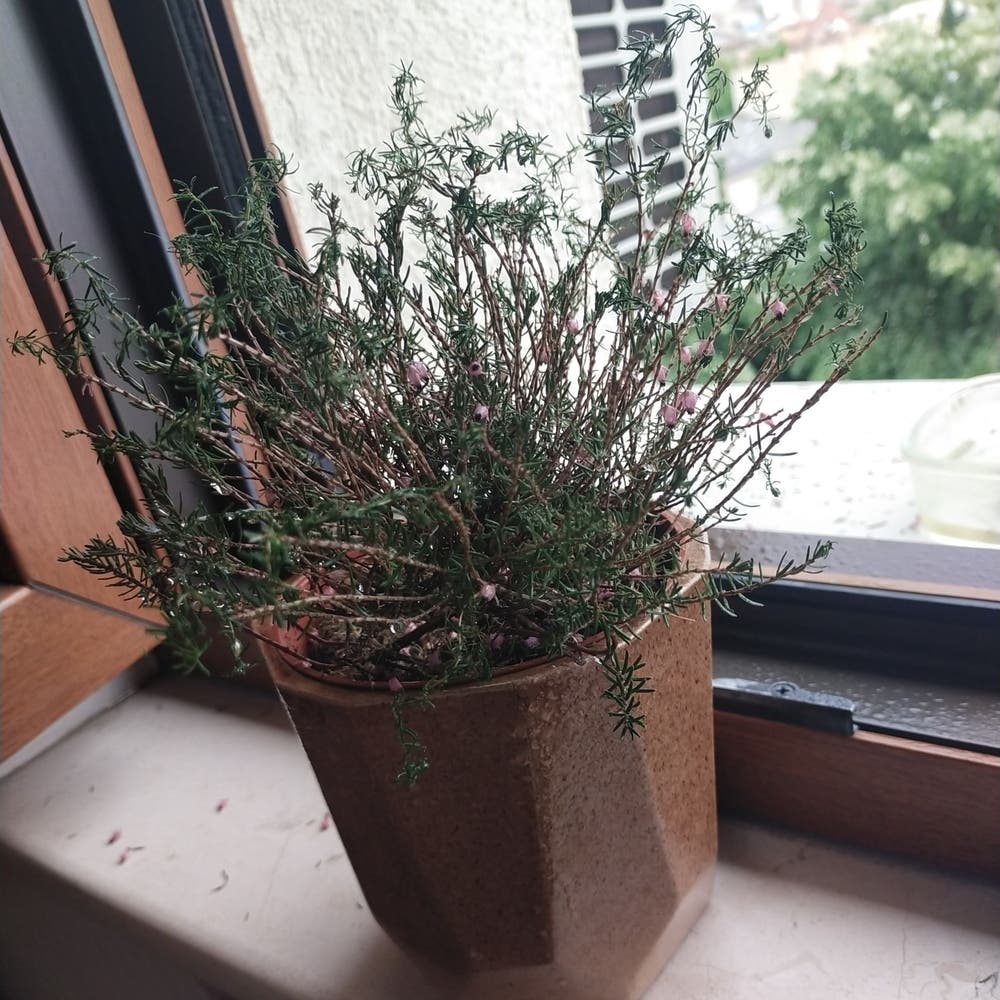
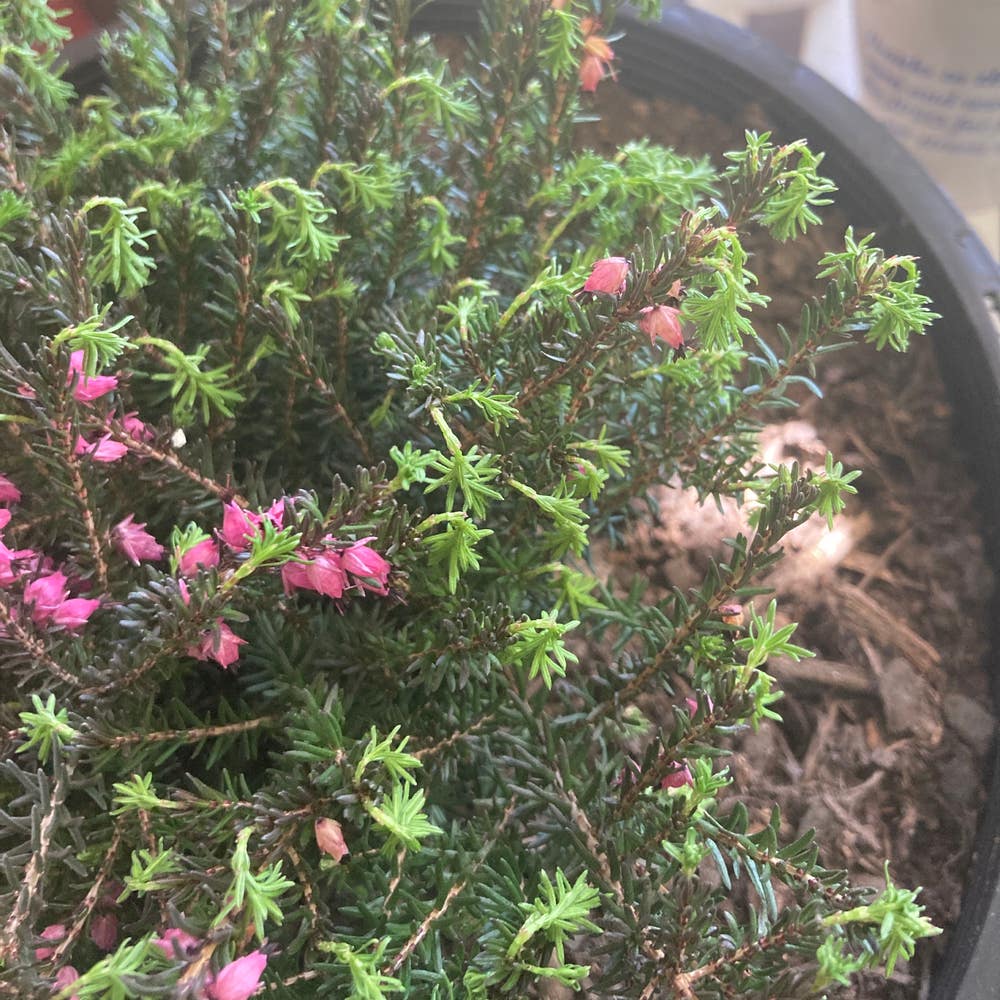
Erica flowers are a sight to behold, often featuring tubular or bell-shaped petals in vibrant shades of pink, purple, or white. These colors not only add beauty but also serve a critical role in attracting pollinators.
The sepals are typically green, providing essential support to the petals while protecting the delicate reproductive parts within.
Moving inward, we find the stamens, the male reproductive organs that produce pollen. Their number and arrangement can vary significantly between species, showcasing nature's diversity.
At the heart of the flower lies the pistil, the female reproductive organ where fertilization takes place. The structure and position of the pistil relative to the stamens are crucial for successful pollination.
How Flower Structure Facilitates Pollination 🐝
The unique tubular shape of Erica flowers is designed to attract specific pollinators, such as bees and hummingbirds. This adaptation ensures that the right creatures are drawn in for effective pollen transfer.
Moreover, the strategic arrangement of stamens and pistils promotes efficient pollen transfer, enhancing opportunities for cross-pollination.
Color and scent are also vital; they play a significant role in luring pollinators to the flowers. The combination of these elements creates a perfect environment for successful reproduction.
Understanding the flower structure of Erica not only highlights its beauty but also emphasizes its role in the ecosystem. This knowledge sets the stage for exploring the fascinating process of pollination that follows.
Pollination Process
🌼 Mechanisms of Cross-Pollination
Erica plants depend heavily on cross-pollination for successful reproduction. This process is vital, as it enhances genetic diversity and resilience in the species.
Pollen transfer primarily occurs through the diligent work of pollinators. These creatures visit Erica flowers seeking nectar, inadvertently facilitating the transfer of pollen from one flower to another.
🐝 Primary Pollinators
Bees are the champions of pollination. They collect nectar and pollen, ensuring effective pollen transfer between flowers.
Butterflies are also significant players. Their attraction to the vibrant colors and shapes of Erica flowers aids in cross-pollination.
Moths contribute to the pollination process during twilight hours. Their nocturnal activities ensure that Erica flowers are visited even after sunset.
Hummingbirds are drawn to the tubular shape of Erica flowers. Their long beaks allow them to access nectar while simultaneously transferring pollen, making them essential pollinators.
Understanding these mechanisms and the roles of various pollinators is crucial for appreciating the intricate relationships within ecosystems. This knowledge can help us support these vital species and enhance pollination success in our gardens.
As we delve deeper into the next section, we will explore how to support these pollinators and create a thriving environment for them.
Hand Pollination
Hand pollination can be a rewarding way to ensure the reproduction of Erica plants, especially when natural pollinators are scarce. Here’s a straightforward guide to help you through the process.
📝 Step-by-Step Instructions
Identify Male and Female Flower Parts: Start by locating the stamens, which are the male parts, and the pistils, the female parts, on the flowers. This step is crucial for effective hand pollination.
Collecting Pollen: Gently tap or brush the anthers of the stamens to collect pollen. You can use a small tool like a cotton swab for this task.
Transferring Pollen: Carefully apply the collected pollen to the stigma of the target flower. This step is vital for fertilization to occur.
Timing: Perform this process during peak flowering periods for the best results. Timing can significantly impact the success of pollination.
🔍 Identifying Male and Female Flower Parts
Recognizing the differences between stamens and pistils is essential. Stamens typically have a filament topped with an anther, while pistils consist of a stigma, style, and ovary.
Understanding flower anatomy not only aids in successful hand pollination but also enhances your appreciation of these beautiful plants. With practice, you'll become adept at this technique, ensuring your Erica thrives.
Hand pollination can feel like a small act, but it plays a significant role in supporting plant reproduction. Next, let’s explore how to create a pollinator-friendly environment to further enhance your gardening efforts.
Supporting Pollinators
🌼 Creating a Pollinator-Friendly Environment
To support pollinators, start by planting native species and flowering plants. These plants provide essential food sources, ensuring that bees, butterflies, and other pollinators thrive in your garden.
Avoiding pesticides is crucial as well. Many chemicals can harm beneficial insects, disrupting the delicate balance of your local ecosystem.
🌱 Companion Plants
Choosing the right companion plants can enhance your garden's appeal to pollinators. Consider adding plants like lavender and salvia, which are not only beautiful but also rich in nectar.
These plants attract a variety of pollinator species, creating a vibrant and productive environment for Erica. By fostering a diverse plant community, you can significantly boost pollination success.
Incorporating these strategies will help create a thriving habitat for pollinators, ensuring that your garden flourishes. Next, let’s explore the challenges pollinators face and how we can overcome them.
Pollination Challenges
Common Obstacles 🌪️
Pollination faces several challenges that can hinder the reproductive success of Erica plants. Environmental factors, such as temperature fluctuations and humidity levels, can significantly impact pollinator activity.
Additionally, the decline in pollinator populations due to habitat loss and pesticide use poses a serious threat. Without adequate pollinators, the chances of successful cross-pollination diminish, affecting plant reproduction.
Solutions for Overcoming Challenges 🌼
Fortunately, there are effective strategies to enhance pollinator habitats and support their populations. Creating diverse plantings with a variety of flowering species can provide essential food sources for pollinators throughout the growing season.
Moreover, incorporating water sources into your garden can attract and sustain these vital insects. Adjusting planting and care schedules to align with peak pollinator activity times can also improve the chances of successful pollination.
By implementing these solutions, you can contribute to a healthier ecosystem that supports both Erica plants and their pollinators. This proactive approach not only benefits your garden but also fosters a thriving environment for all pollinators.
As we explore the next section, let’s delve into how we can create a pollinator-friendly environment to further support these essential creatures.
⚠️ Safety First
This content is for general information and may contain errors, omissions, or outdated details. It is not medical, veterinary advice, or an endorsement of therapeutic claims.
Always consult a qualified healthcare professional before using any plant as food, medicine, or supplement.
Never eat any plant (or feed one to pets) without confirming its identity with at least two trusted sources.
If you suspect poisoning, call Poison Control (800) 222-1222, the Pet Poison Helpline (800) 213-6680, or your local emergency service immediately.
Spotted an error? Please report it here.
Unlock the secrets of Erica pollination 🌼 and let Greg guide you with tailored tips to create a vibrant garden that attracts vital pollinators and thrives in harmony with nature!