5 Tips for Pruning Erica ✂️
Erica scabriuscula
By the Greg Editorial Team
Nov 07, 2024•4 min read
This article was created with the help of AI so we can cover more plants for you. May contain errors. See one? Report it here.
Revitalize your Erica plants 🌸 with expert pruning tips for lush growth and stunning blooms!
- ✂️ Master pruning techniques like heading back and thinning for healthier Erica growth.
- 🌸 Regular deadheading promotes continuous blooms and redirects energy into plant health.
- 🛠️ Use proper tools for effective pruning, ensuring clean cuts and plant safety.
Types of Pruning Cuts
✂️ Heading Back
Heading back is a pruning technique that involves cutting back stems to encourage bushier growth. This method helps your Erica plants become fuller and more vibrant.
To achieve the best results, make your cuts just above a leaf node. This ensures that new growth will emerge from the node, promoting a denser appearance.
🌬️ Thinning
Thinning involves removing entire stems to reduce the overall density of the plant. This technique is essential for improving airflow and light exposure within the plant.
By allowing more light to penetrate, thinning can lead to healthier growth and more vibrant blooms. It's a simple yet effective way to keep your Erica thriving.
🌱 Rejuvenation Pruning
Rejuvenation pruning is a more drastic approach, where you severely cut back old plants to stimulate new growth. This technique is particularly useful for overgrown or neglected Erica plants that need a fresh start.
Apply this method when you notice your plants becoming unruly or sparse. A good rule of thumb is to prune back to healthy wood, allowing your Erica to bounce back with renewed vigor.
Tools Needed for Effective Pruning
When it comes to pruning Erica, having the right tools is essential for achieving clean cuts and promoting healthy growth. Here’s a quick rundown of the must-have tools for effective pruning.
✂️ Pruning Shears
Pruning shears are your go-to tool for clean cuts on small branches. They’re perfect for snipping away dead or damaged stems without causing unnecessary harm to the plant.
🌳 Loppers
For thicker branches, loppers are indispensable. They can handle branches up to 1 inch in diameter, making them ideal for those slightly larger cuts that shears can't manage.
🪚 Hand Saw
When you encounter larger, woody stems, a hand saw is your best friend. It allows for more substantial cuts while ensuring you maintain control and precision.
🧤 Gloves
Don’t forget to wear gloves! They protect your hands from sharp edges and plant sap, ensuring a safe and comfortable pruning experience.
Equipping yourself with these tools will make your pruning tasks easier and more effective. With the right gear, you’ll be ready to tackle any Erica plant with confidence. Next, let’s dive into the step-by-step guide on how to prune Erica effectively.
Deadheading Erica
🌸 Importance of Deadheading for Plant Health and Aesthetics
Deadheading is essential for maintaining the health and beauty of your Erica plants. By removing spent flowers, you promote continuous blooming, encouraging more vibrant flowers to develop.
Additionally, deadheading prevents seed formation, allowing the plant to redirect its energy back into growth rather than seed production. This simple practice can significantly enhance the overall appearance of your garden.
✂️ Step-by-Step Instructions for Deadheading Erica
- Identify spent flowers: Look for wilted or brown blooms that need removal.
- Use clean pruning shears: Ensure your tools are sanitized to prevent disease.
- Cut just above the first set of healthy leaves: This technique avoids damaging new growth.
- Dispose of dead flowers: Proper disposal helps prevent potential disease spread.
Following these steps will keep your Erica looking fresh and encourage a more robust blooming cycle.
⏰ When to Deadhead Erica for Best Results
Timing is crucial when it comes to deadheading. Aim to do this immediately after flowering to maximize blooming potential.
Make it a habit to conduct regular checks throughout the blooming season. This proactive approach ensures your Erica remains healthy and vibrant all season long.
Incorporating deadheading into your gardening routine not only enhances the beauty of your plants but also fosters a deeper connection with your garden. Next, let's explore common problems and solutions related to pruning and plant care.
Common Problems and Solutions
🪴 Issues Related to Improper Pruning
Pruning can be a double-edged sword. Over-pruning can lead to reduced flowering and overall vigor, leaving your Erica plants looking sad and sparse.
On the flip side, under-pruning results in dense, unhealthy growth. This can create a tangled mess that blocks sunlight and airflow, making your plants more susceptible to pests and diseases.
😟 Signs of Stress in Erica After Pruning
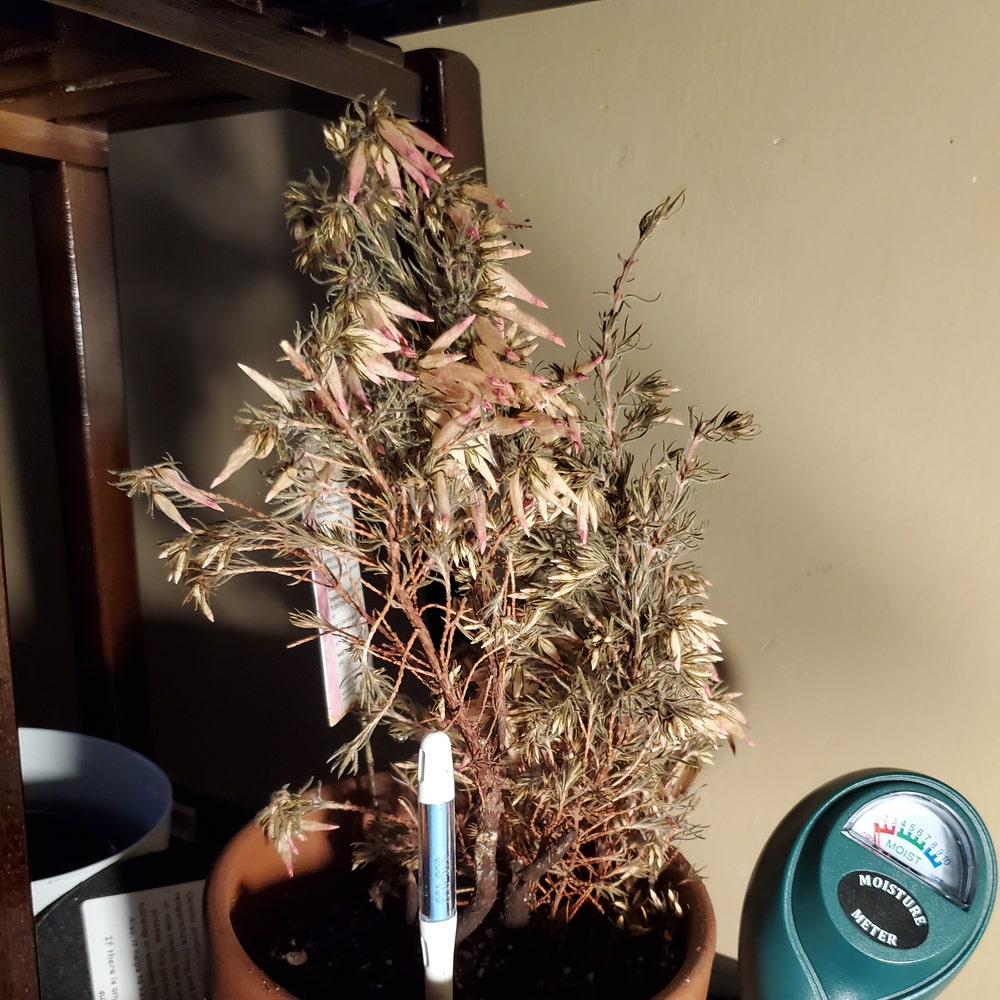
After pruning, it's crucial to monitor your plants for signs of stress. Wilting leaves often indicate shock or damage, signaling that your Erica may need some extra care.
You might also notice reduced flowering, with fewer blooms than expected. Additionally, leaf discoloration, such as yellowing or browning leaves, can be a red flag that something isn't quite right.
🌱 How to Recover from Over-Pruning
If you've over-pruned your Erica, don't panic. Start by assessing the damage to understand the extent of the issue.
Next, adjust your watering and fertilization routine. Providing extra care can help stressed plants bounce back more quickly.
Finally, be patient. Recovery takes time, but with proper care, new growth will emerge, and your plants will thrive once again.
⚠️ Safety First
This content is for general information and may contain errors, omissions, or outdated details. It is not medical, veterinary advice, or an endorsement of therapeutic claims.
Always consult a qualified healthcare professional before using any plant as food, medicine, or supplement.
Never eat any plant (or feed one to pets) without confirming its identity with at least two trusted sources.
If you suspect poisoning, call Poison Control (800) 222-1222, the Pet Poison Helpline (800) 213-6680, or your local emergency service immediately.
Spotted an error? Please report it here.
Elevate your Erica's beauty with expert pruning techniques like heading back and deadheading, and let Greg guide you with tailored reminders for thriving blooms 🌸 that will make your garden shine!