5 Tips for Healing Leaves Falling Over on Your Erica 💧
Erica scabriuscula
By the Greg Editorial Team
Nov 07, 2024•6 min read
This article was created with the help of AI so we can cover more plants for you. May contain errors. See one? Report it here.
Revitalize your Erica with essential care tips for thriving plants! 🌱✨
- 🌱 Proper soil moisture is crucial; let the top inch dry before watering.
- ☀️ Erica needs 4-6 hours of sunlight daily for optimal growth and health.
- 🐛 Regularly check for pests like aphids and spider mites to protect your Erica.
Diagnosing the Problem
Assessing Environmental Conditions 🌞
To help your Erica thrive, start by checking the soil moisture levels. Overly soggy or dry soil can lead to significant issues, so ensure the top inch of soil is dry before watering again.
Next, evaluate the light exposure. Erica plants flourish with 4-6 hours of direct sunlight daily. If your plant isn’t getting enough light, consider relocating it to a brighter spot.
Temperature is another critical factor. The ideal range for Erica is between 15°C to 25°C (59°F to 77°F). Keeping your plant within this range will promote healthy growth.
Lastly, monitor the humidity levels. Erica prefers moderate humidity, ideally between 40-60%. If your home is too dry, consider using a humidifier or placing a tray of water nearby.
Identifying Pests and Diseases Affecting Erica 🐛
Next, turn your attention to potential pests and diseases. Common pests that can affect Erica include aphids, spider mites, and whiteflies. Look for signs of infestation, such as sticky residue, webbing, or visible insects on the leaves.
Diseases like root rot and fungal infections can also be problematic. Symptoms to watch for include wilting, discoloration, and mushy roots. If you notice these signs, it’s crucial to act quickly to prevent further damage.
By diagnosing these environmental conditions and potential pests or diseases, you can take the necessary steps to restore your Erica’s health. This foundational understanding will guide you in alleviating leaf drop and ensuring your plant thrives.
Alleviating Leaf Drop
💧 Adjusting Watering Practices for Erica
Watering is crucial for the health of your Erica. Allow the top inch of soil to dry out between waterings to prevent over-saturation.
Deep watering is key; it encourages strong root growth. Aim to water deeply but infrequently, ensuring that the water reaches the roots without creating standing water.
☀️ Modifying Light Exposure for Optimal Growth
Light is another vital factor for your Erica's well-being. Ideally, these plants thrive in full sun to partial shade, so assess their current light conditions.
If your Erica isn’t getting enough light, consider moving it to a brighter spot. Using a light meter can help you monitor exposure and ensure your plant is basking in the right amount of sunlight.
🌱 Soil Amendments and Drainage Solutions
The right soil composition is essential for Erica plants. They prefer acidic, well-draining soil with a pH between 4.5 and 6.0 to thrive.
To enhance soil quality, consider adding peat moss or pine bark. Additionally, ensure your pots have drainage holes and use gravel at the bottom to improve drainage and prevent root rot.
By adjusting your watering practices, optimizing light exposure, and ensuring proper soil conditions, you can effectively alleviate leaf drop in your Erica. Next, let's explore how to prevent future issues to keep your plant thriving.
Preventing Future Issues
Regular Maintenance and Care Routines 🌱
To keep your Erica thriving, regular maintenance is essential. Start with routine checks to inspect for pests and diseases, ensuring you catch any issues early.
Pruning is another vital practice. By removing dead or unhealthy foliage, you promote better air circulation, which helps prevent fungal infections.
Mulching can also be beneficial. A layer of mulch retains moisture and suppresses weeds, creating a healthier environment for your plant.
Seasonal Care Tips for Erica ☀️
Seasonal changes require adjustments in care. In winter, protect your Erica by covering it with burlap during extreme cold to shield it from harsh conditions.
During summer, provide shade during heatwaves. This helps prevent stress and keeps your plant healthy and vibrant.
Adjust your watering schedule as needed. Increase watering frequency during dry spells to ensure your Erica remains hydrated.
Fertilization Strategies for Healthy Growth 🌼
Fertilization plays a crucial role in your Erica's health. Use a balanced, slow-release fertilizer during the growing season to provide essential nutrients.
Timing is key; fertilize in early spring and mid-summer for optimal results. This ensures your plant gets the nutrients it needs when it’s most active.
Watch for signs of over-fertilization, such as leaf burn or excessive growth without flowering. These indicators can help you adjust your fertilization strategy for better results.
By following these preventive measures, you can maintain a healthy Erica that flourishes throughout the seasons. Next, let’s explore how to revive a drooping Erica and bring it back to life.
Reviving a Drooping Erica
🌱 Step-by-Step Guide to Rehabilitating Erica
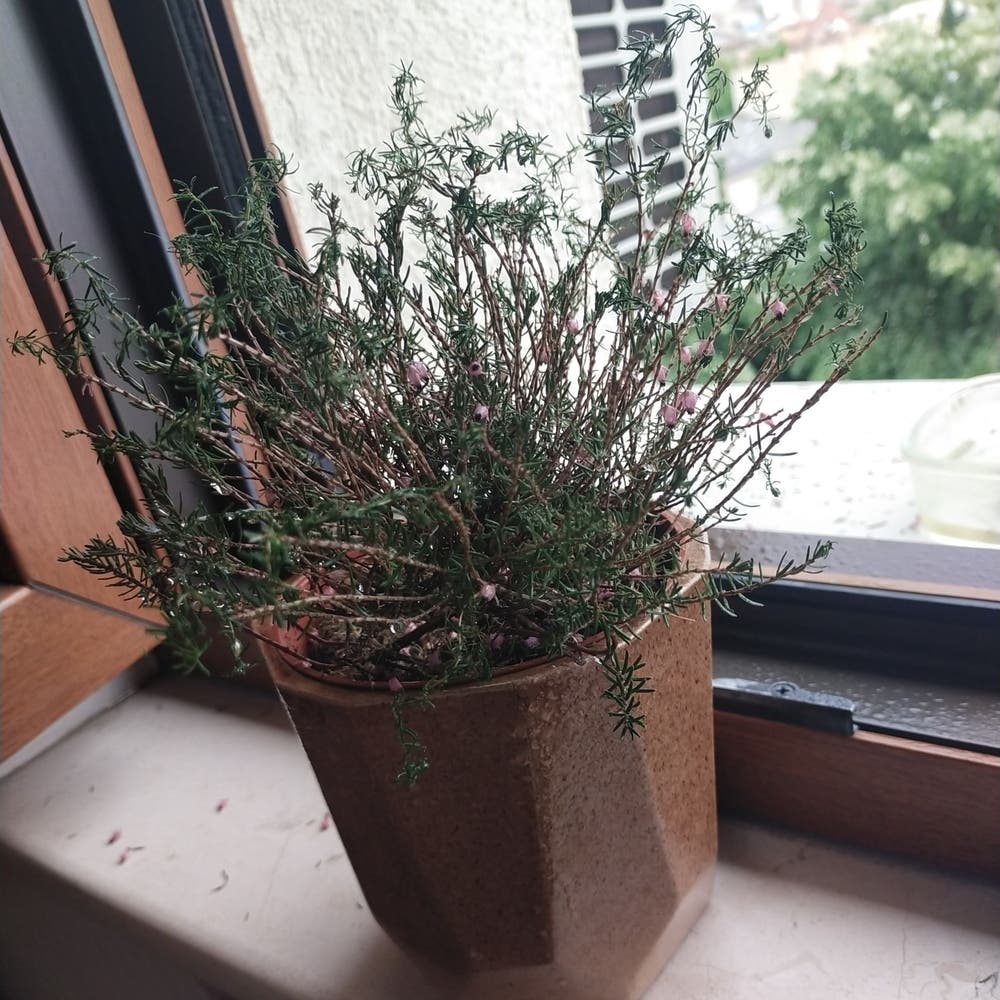
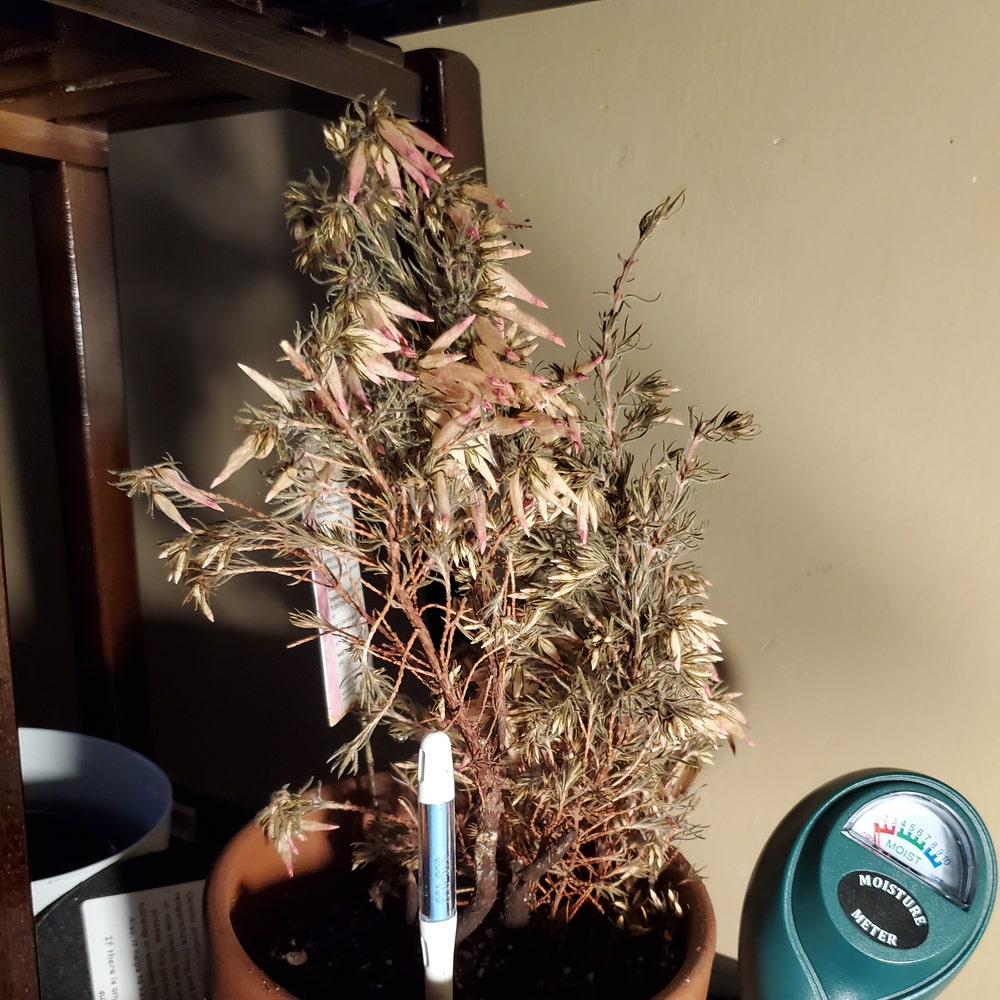
Reviving a drooping Erica requires a systematic approach. Start by assessing the plant's environment, checking soil moisture, light exposure, and temperature.
Next, adjust your watering practices. Modify the frequency based on the soil moisture readings to ensure the plant receives adequate hydration.
Improving drainage is crucial. Amend the soil if necessary and ensure that the pot has proper drainage to prevent waterlogging.
If you notice any pests, it's time to take action. Treat the plant with insecticidal soap or neem oil to eliminate unwanted visitors.
Finally, monitor the recovery process closely. Keep the plant in a stable environment and avoid any additional stressors that could hinder its healing.
👀 Signs of Recovery to Watch For
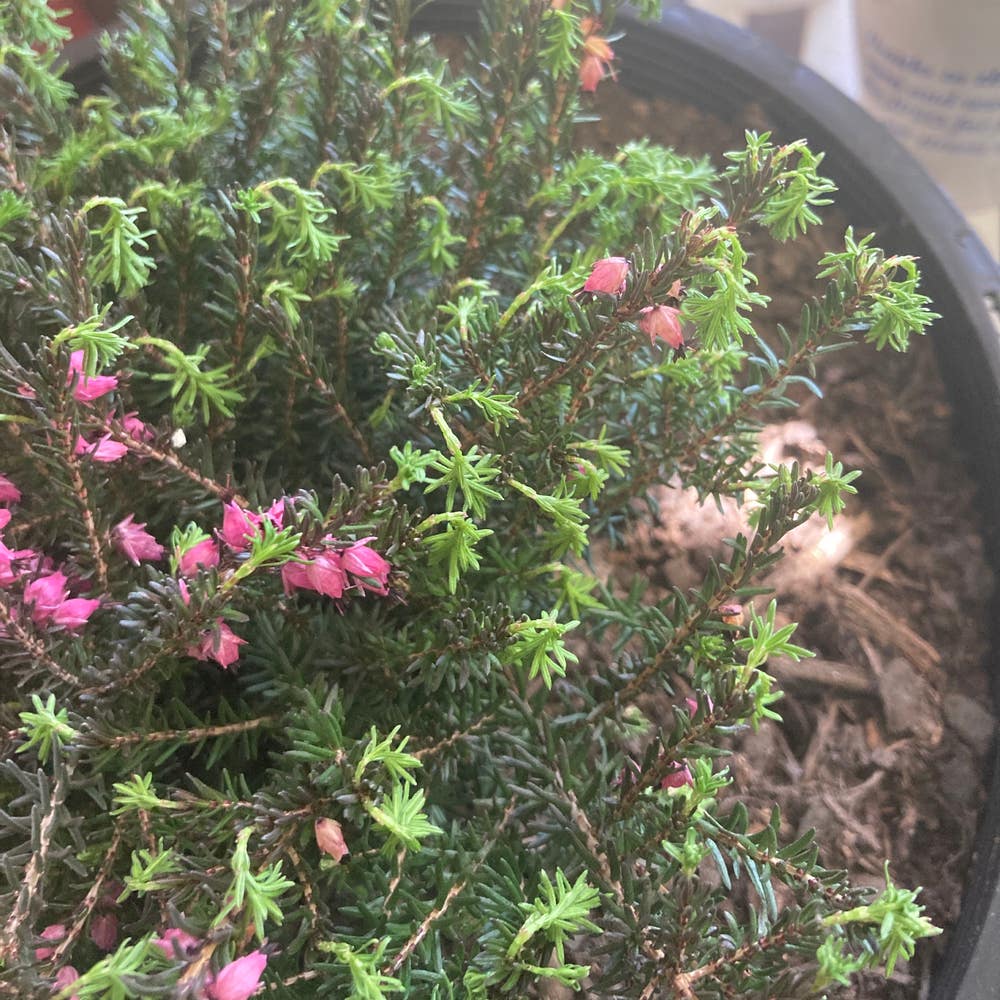
As your Erica begins to recover, look for signs of new growth. The appearance of fresh leaves or buds is a positive indicator.
Pay attention to the firmness of the leaves. Healthy leaves will regain turgidity and vibrant color as the plant improves.
Flowering is another encouraging sign. The return of blooms indicates that your Erica is on the path to good health.
With these steps, you can help your Erica thrive once more, ensuring it remains a beautiful addition to your space. Next, let’s explore some common misconceptions about Erica care that can help you avoid pitfalls in the future.
Common Misconceptions
💭 Myths About Erica Care
Many people believe that Erica plants can thrive in any soil type. This is a common misconception that can lead to serious issues, such as root rot. In reality, Erica requires acidic, well-draining soil to flourish.
Another myth is that Erica does not need much water. While it's true that these plants prefer drier conditions, they still require regular watering during dry spells to maintain their health. Neglecting their watering needs can lead to drooping leaves and other stress symptoms.
Understanding these misconceptions is crucial for successful Erica care. By providing the right soil and watering practices, you can ensure your plant thrives and remains vibrant.
As you continue to learn about Erica, keep these clarifications in mind to avoid common pitfalls. Next, let’s explore how to prevent future issues with your Erica.
⚠️ Safety First
This content is for general information and may contain errors, omissions, or outdated details. It is not medical, veterinary advice, or an endorsement of therapeutic claims.
Always consult a qualified healthcare professional before using any plant as food, medicine, or supplement.
Never eat any plant (or feed one to pets) without confirming its identity with at least two trusted sources.
If you suspect poisoning, call Poison Control (800) 222-1222, the Pet Poison Helpline (800) 213-6680, or your local emergency service immediately.
Spotted an error? Please report it here.
Revive your drooping Erica with smart care tips 🌿 from Greg, ensuring the right soil moisture and light exposure while receiving personalized reminders to keep your plant thriving!