Why Your Erica Is Not Doing Well
Erica scabriuscula
By the Greg Editorial Team
Nov 07, 2024•5 min read
This article was created with the help of AI so we can cover more plants for you. May contain errors. See one? Report it here.
Revive your Erica 🌱 with essential care tips and solutions to common plant problems for vibrant growth!
- 💧 Overwatering and underwatering cause yellowing leaves and wilting in Erica plants.
- 🌞 Inadequate or excessive light leads to leggy growth or scorched leaves; adjust accordingly.
- 🐛 Regular inspections for pests like aphids and spider mites ensure early detection and treatment.
Common Problems Specific to Erica
💧 Incorrect watering
Identifying overwatering and underwatering
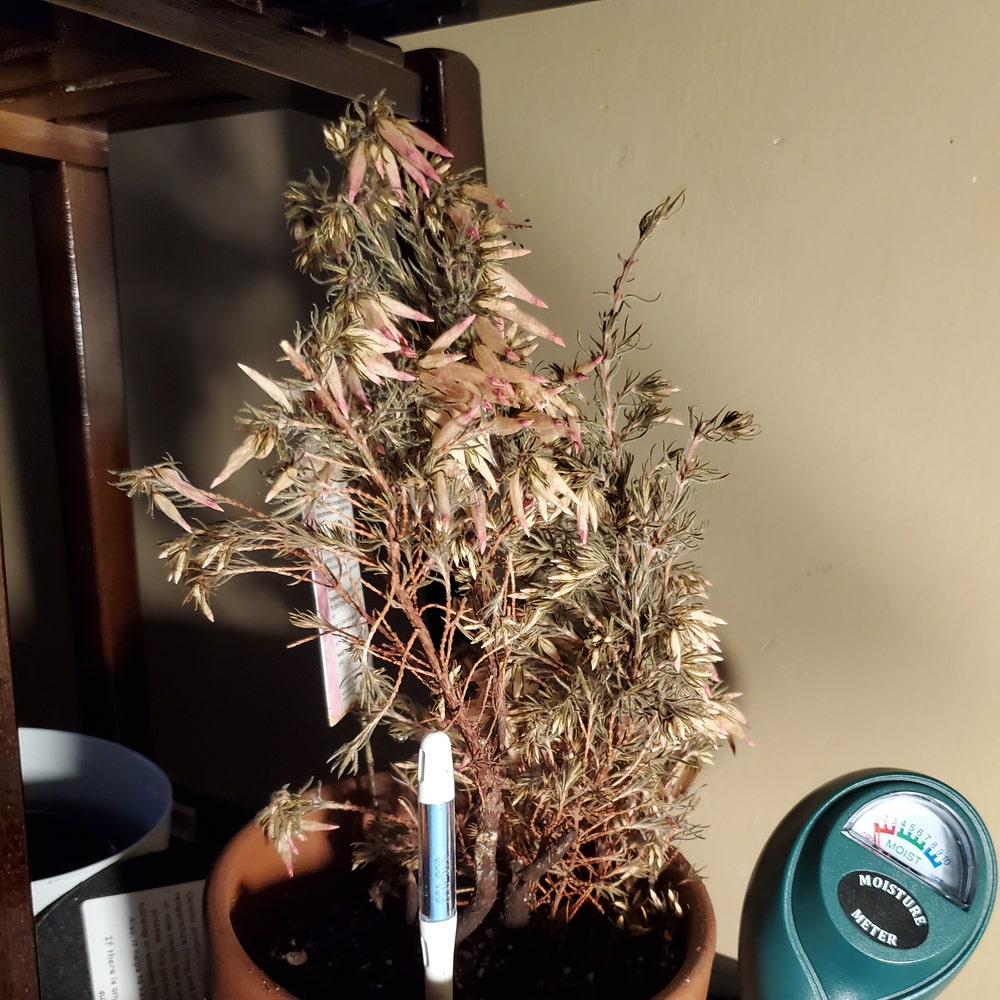
Overwatering can lead to yellowing leaves, wilting, and squishy roots. In contrast, underwatering results in dry, crispy leaves and drooping stems.
Causes and effects
Common causes of overwatering include poor drainage, excessive rainfall, or too frequent watering. Underwatering often stems from infrequent watering, high temperatures, or dry conditions.
Steps to resolve watering issues
- Check soil moisture: Use a moisture meter or your finger to test the soil.
- Adjust watering schedule: Water when the top inch of soil feels dry.
- Improve drainage: Use well-draining soil and pots with drainage holes.
- Rescue overwatered plants: Remove the plant from its pot, trim any damaged roots, and allow it to dry out.
💡 Incorrect light conditions
Symptoms of inadequate or excessive light
Inadequate light can cause leggy growth, sparse foliage, and pale leaves. Conversely, excessive light leads to scorched leaves, browning tips, and faded colors.
Causes and effects
Inadequate light often results from placing the plant in shaded areas or indoors without sufficient light. Excessive light typically occurs from prolonged exposure to direct sunlight.
Solutions for light-related problems
- Relocate the plant: Move it to a brighter location or provide shade.
- Use grow lights: Supplement natural light for indoor plants.
- Monitor light exposure: Adjust based on seasonal changes.
🐛 Pests
Common pests affecting Erica
Common pests include aphids, spider mites, and mealybugs. These can wreak havoc on your plant's health.
Identifying pest infestations
Signs of infestations include sticky residue, webbing, and visible insects on leaves. Regular checks can help catch these issues early.
Treatment and prevention methods
- Manual removal: Wipe leaves with a damp cloth to remove pests.
- Insecticidal soap: Apply as directed to affected areas.
- Regular inspections: Check plants weekly for early signs of pests.
🦠 Diseases
Symptoms and identification
Diseases can manifest as powdery mildew (white spots on leaves), rust (orange or brown pustules), black rot (dark lesions), or blight (rapid wilting). Identifying these symptoms early is crucial for effective treatment.
Treatment options for each disease
- Powdery mildew treatment: Apply fungicides or remove affected leaves.
- Rust treatment: Improve air circulation and remove infected parts.
- Black rot treatment: Ensure proper watering and avoid overhead watering.
- Blight treatment: Remove affected plants and improve drainage.
🌱 Root problems
Identifying root rot and squishy roots
Symptoms of root rot include wilting despite adequate watering and a foul odor from the soil. These signs indicate serious issues below the surface.
Causes and effects
Root rot is primarily caused by overwatering and poor drainage. Addressing these factors is essential for plant recovery.
Steps to treat root issues
- Inspect roots: Remove the plant from its pot and check for mushy roots.
- Trim damaged roots: Cut away affected areas with sterilized scissors.
- Repot in fresh soil: Use well-draining soil and a clean pot.
🍃 Leaf issues
Symptoms of scorching, yellowing, and fuzzy growth
Scorching appears as brown, crispy leaf edges, while yellowing often indicates nutrient deficiencies or watering issues. Fuzzy growth may suggest fungal infections or pest problems.
Causes and effects
Scorching is typically due to excessive light or heat exposure. Yellowing can result from overwatering, underwatering, or nutrient deficiencies, while fuzzy growth often arises from high humidity and poor air circulation.
Solutions for leaf problems
- Adjust light exposure: Move to a location with appropriate light.
- Monitor watering: Ensure consistent moisture without waterlogging.
- Improve air circulation: Space plants adequately and avoid overcrowding.
🌿 Growth problems
Identifying issues like not growing, not fruiting, leaning, leggy, and etiolated
Plants may show stagnant growth, lack of flowers or fruit, leaning, or leggy and etiolated stems. These symptoms often indicate underlying care issues.
Causes and effects
Nutrient deficiencies, inadequate light, or improper watering can lead to these growth problems. Identifying the root cause is key to restoring health.
Steps to encourage healthy growth
- Fertilize appropriately: Use a balanced fertilizer during the growing season.
- Ensure adequate light: Adjust placement for optimal exposure.
- Prune leggy growth: Trim back to encourage bushier growth.
Understanding these common problems and their solutions can help you nurture your Erica back to health. With the right care, your plant can thrive beautifully.
Preventive Measures
Best practices for Erica care 🌱
To keep your Erica thriving, start with well-draining soil and pots that have drainage holes. This simple step prevents water from pooling, which can lead to root rot.
Water your Erica consistently, allowing the top inch of soil to dry out between waterings. This balance is crucial for maintaining healthy roots and vibrant foliage.
Importance of regular monitoring 🔍
Regular checks on your plant can help catch problems early, ensuring your Erica remains healthy. By observing your plant frequently, you can quickly identify any signs of distress.
Adjust your care practices based on seasonal changes. For instance, during hotter months, your Erica may need more water and light, while in cooler months, you might need to reduce both.
Using the Greg plant care app for reminders 📱
Consider using the Greg plant care app to set reminders for watering, fertilizing, and monitoring conditions. This tool can help you stay on top of your plant care routine.
The app also offers tailored care tips specific to Erica plants, making it easier to provide the best environment for your greenery. With these preventive measures, you can enjoy a flourishing Erica that brightens your space.
⚠️ Safety First
This content is for general information and may contain errors, omissions, or outdated details. It is not medical, veterinary advice, or an endorsement of therapeutic claims.
Always consult a qualified healthcare professional before using any plant as food, medicine, or supplement.
Never eat any plant (or feed one to pets) without confirming its identity with at least two trusted sources.
If you suspect poisoning, call Poison Control (800) 222-1222, the Pet Poison Helpline (800) 213-6680, or your local emergency service immediately.
Spotted an error? Please report it here.
Keep your Erica thriving 🌿 with Greg's personalized watering reminders and tailored care tips that make plant health a breeze!