Managing Leaf Drop on Your Erica
Erica scabriuscula
By the Greg Editorial Team
Nov 07, 2024•5 min read
This article was created with the help of AI so we can cover more plants for you. May contain errors. See one? Report it here.
Revive your Erica's health and prevent leaf drop with these essential care tips! 🌿
- 🌡️ Extreme temperatures cause leaf drop; maintain stable conditions for your Erica.
- 💧 Overwatering and underwatering lead to leaf issues; check soil moisture regularly.
- 🐛 Pests and diseases harm Erica; monitor closely for early detection and treatment.
Causes of Leaf Drop
🌡️ Environmental Stress Factors
Extreme temperatures can wreak havoc on your Erica, leading to significant leaf drop. Both scorching heat and freezing cold can stress the plant, causing it to shed leaves as a survival mechanism.
Humidity levels also play a crucial role in leaf health. Low humidity can lead to dry, crispy leaves, signaling that your Erica is struggling to retain moisture.
💧 Overwatering and Underwatering
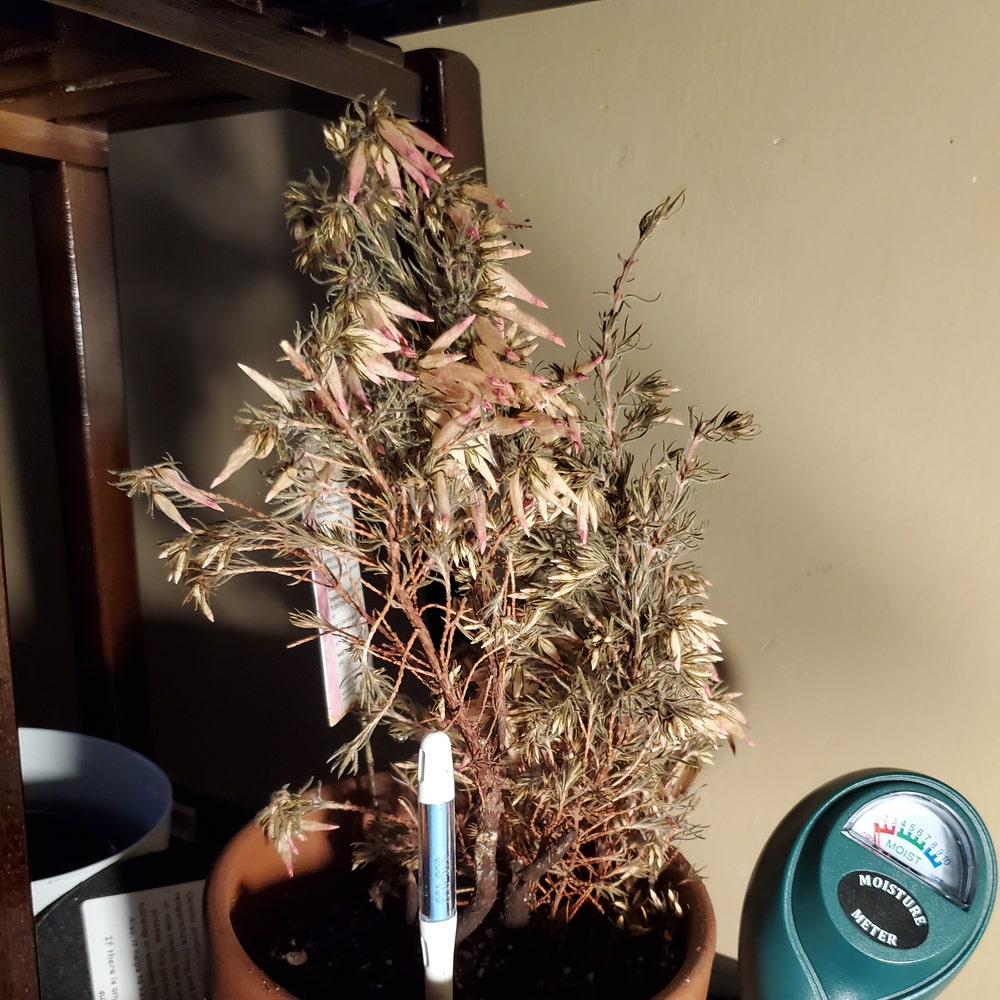
Overwatering is a common mistake that can lead to yellowing leaves and mushy roots. If you notice these signs, it’s time to reassess your watering habits.
On the flip side, underwatering can cause wilting and crispy leaf edges. Both extremes can be detrimental, so finding the right balance is key.
🥦 Nutrient Deficiencies
Nutrient deficiencies can significantly impact your Erica's health. Common culprits include nitrogen, phosphorus, and potassium, which are essential for robust growth.
Symptoms of these deficiencies often manifest as stunted growth and pale leaves. Regularly checking nutrient levels can help prevent these issues.
🐛 Pest Infestations
Pests like aphids, spider mites, and scale insects can cause serious damage to your Erica. Look out for signs of infestation, such as discoloration, webbing, or sticky residue on leaves.
Addressing pest problems promptly is essential to prevent further leaf drop and maintain plant health.
🦠 Disease-Related Leaf Drop
Diseases such as root rot and fungal infections can lead to significant leaf drop. Symptoms to watch for include wilting, blackened roots, and leaf spots.
Early detection and treatment are vital to restoring your Erica's health and preventing further damage.
Understanding these causes of leaf drop is the first step in managing your Erica's health effectively. Next, we’ll explore how to diagnose these issues accurately.
Diagnosing Leaf Drop Issues
Understanding the reasons behind leaf drop is crucial for maintaining a healthy Erica. By assessing environmental conditions, you can pinpoint the underlying issues affecting your plant.
🌞 Assessing Environmental Conditions
Light Requirements
Erica thrives in full sun to partial shade. If your plant is stretching its stems or displaying pale leaves, it may not be receiving enough light.
🏜️ Soil Analysis
Importance of Well-Draining Soil
The right soil is vital for Erica's health. Ideal soil should have a sandy or loamy texture, allowing for proper drainage and aeration.
Poor drainage can lead to serious problems, such as root rot and subsequent leaf drop. Ensuring your Erica is planted in well-draining soil is a key step in preventing these issues.
pH Levels and Nutrient Content
Maintaining the correct pH level is essential for nutrient uptake. The ideal pH range for Erica is between 5.5 and 6.5.
Regular soil testing helps you monitor pH levels and nutrient content, ensuring your plant receives the necessary elements for robust growth. This proactive approach can prevent many leaf drop issues before they start.
By carefully assessing light conditions and soil quality, you can effectively diagnose and address the causes of leaf drop in your Erica. This sets the stage for implementing preventive measures and restoring your plant's health.
Preventing Leaf Drop
🌊 Proper Watering Techniques
Watering your Erica correctly is crucial for preventing leaf drop. Here’s how to do it right:
- Check soil moisture: Use your finger or a moisture meter to gauge the soil's dampness.
- Watering frequency: Aim to water every 1-2 weeks, adjusting based on your plant's needs and environmental conditions.
- Watering method: Deep watering encourages robust root growth, so ensure the water penetrates well into the soil.
🌱 Fertilization Practices
Proper fertilization can significantly enhance your Erica's health and resilience against leaf drop.
Recommended Fertilizers
Choose the right type of fertilizer for your Erica. Acidic, slow-release options work best, providing nutrients over time.
Consider the benefits of organic versus synthetic fertilizers. Organic options improve soil health, while synthetic fertilizers offer quick nutrient boosts.
Timing and Frequency of Fertilization
Establish a fertilization schedule to keep your Erica thriving. Fertilize in early spring and mid-summer for optimal growth.
Always follow dosage recommendations on the package to avoid over-fertilization, which can harm your plant.
🐛 Pest and Disease Management
Keeping pests and diseases at bay is essential for maintaining your Erica's health.
Common Pests Affecting Erica
Be vigilant for common pests like aphids and spider mites. Look for signs such as discoloration or webbing on leaves.
Control methods include using insecticidal soap or neem oil, both effective in managing infestations without harming your plant.
Identifying and Treating Diseases
Diseases like root rot and fungal infections can lead to significant leaf drop.
Treatment options include applying fungicides and improving drainage to prevent waterlogging, which can exacerbate these issues.
By implementing these preventive measures, you can help your Erica thrive and minimize the risk of leaf drop. Next, we’ll explore how to diagnose leaf drop issues effectively.
Restoring Health to Dropping Erica
🌱 Step-by-Step Recovery Plan
Immediate Actions to Take
Assess watering practices: Start by checking how often and how much you’re watering your Erica. Adjust based on the symptoms you observe, whether it’s wilting or yellowing leaves.
Inspect for pests: Look closely at your plant for any signs of pests. If you find any infestations, treat them promptly to prevent further damage.
Improve soil conditions: If the soil seems compacted or retains too much water, consider repotting your Erica. Fresh, well-draining soil can make a significant difference in recovery.
🌿 Long-Term Care Strategies
Regular monitoring: Keep an eye on your plant’s overall health. Regular checks can help you catch any signs of stress early.
Adjusting care: Be flexible with your watering and fertilization routines. Tailor these practices based on how your Erica responds during its recovery.
📈 Monitoring Recovery Progress
Signs of Improvement to Watch For
New growth: Look for the emergence of fresh leaves and flowers. This is a positive sign that your Erica is bouncing back.
Color changes: Watch for a return to vibrant green from yellow or brown. Healthy color indicates that your plant is regaining its strength.
By following these steps, you can help your Erica thrive again. With patience and attentive care, your plant will flourish, bringing beauty back to your space.
⚠️ Safety First
This content is for general information and may contain errors, omissions, or outdated details. It is not medical, veterinary advice, or an endorsement of therapeutic claims.
Always consult a qualified healthcare professional before using any plant as food, medicine, or supplement.
Never eat any plant (or feed one to pets) without confirming its identity with at least two trusted sources.
If you suspect poisoning, call Poison Control (800) 222-1222, the Pet Poison Helpline (800) 213-6680, or your local emergency service immediately.
Spotted an error? Please report it here.
Revive your Erica and combat leaf drop with Greg's tailored care tips 🌱 that ensure optimal watering and nutrient support for a thriving plant!