🩹 How to Fix Brown Spots on Your Erica
Erica scabriuscula
By the Greg Editorial Team
Nov 07, 2024•5 min read
This article was created with the help of AI so we can cover more plants for you. May contain errors. See one? Report it here.
Revive your Erica's health 🌱 with essential tips to prevent unsightly brown spots and keep it thriving!
- 💧 Consistent soil moisture is key to preventing brown spots on your Erica.
- 🌞 Adequate light is essential; adjust exposure for optimal growth and health.
- 🐛 Regular pest checks help catch issues early, ensuring your Erica stays healthy.
Diagnosing the Problem
Assessing Watering Practices and Soil Moisture 🌊
Checking soil moisture levels is crucial for the health of your Erica. Aim to keep the soil consistently moist but not soggy, as this balance is key to preventing brown spots.
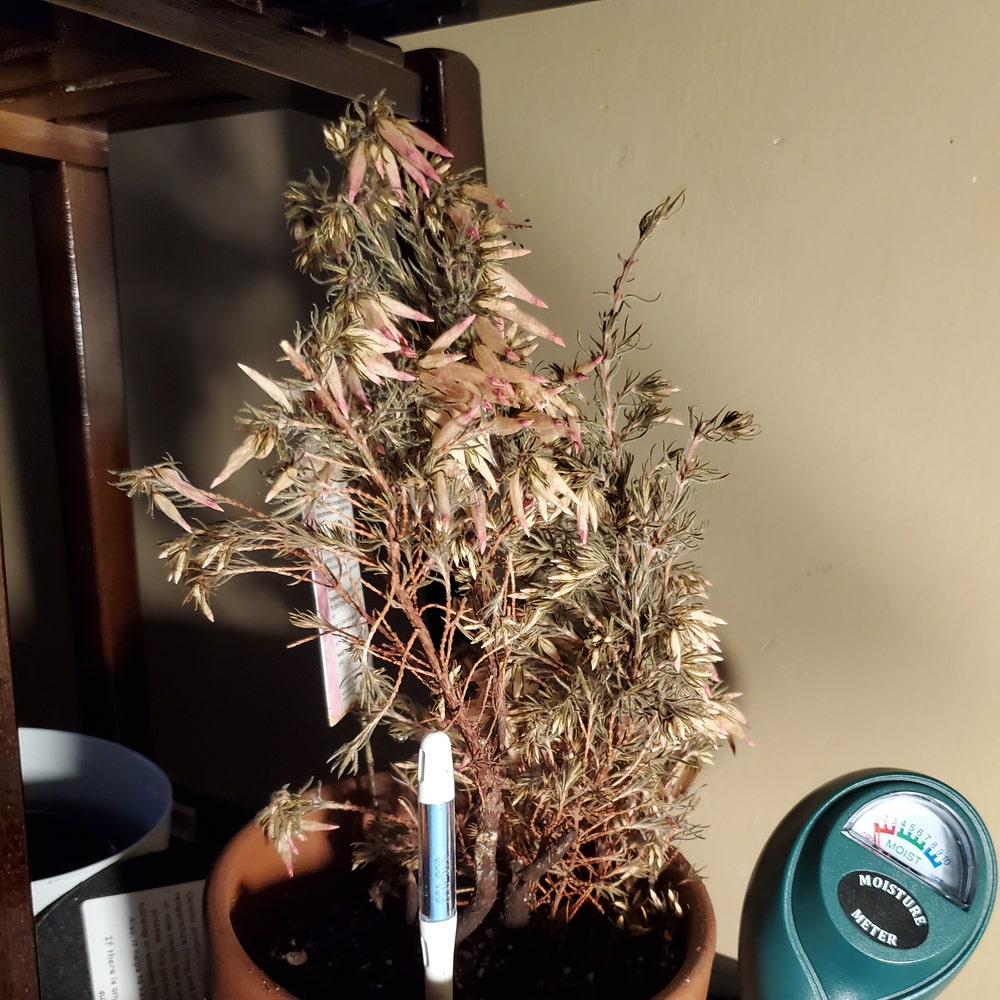
To measure moisture, you can use a soil moisture meter or simply perform a finger test. Insert your finger about an inch into the soil; if it feels dry, it’s time to water.
Signs of Overwatering vs. Underwatering
Recognizing the signs of overwatering is essential. Look for mushy roots and yellowing leaves, which indicate too much water.
On the flip side, underwatering manifests as crispy leaf edges and wilting. Both conditions can lead to brown spots, so monitor your watering habits closely.
Evaluating Light Exposure and Its Effects on Erica ☀️
Erica thrives in full sun to partial shade, making light exposure a vital factor in its care. If your plant is stretching or displaying pale leaves, it may not be getting enough light.
To adjust light exposure, consider relocating your Erica to a brighter spot. When moving plants, do so gradually to prevent shock and ensure they adapt well.
Checking for Pests and Signs of Infestation 🐜
Common pests like aphids and spider mites can wreak havoc on your Erica. Identifying these pests early is crucial; look for tiny insects or webbing on the leaves.
Regular checks are essential for pest management. Focus your inspections on the undersides of leaves and leaf joints, as these are prime hiding spots for pests.
Analyzing Soil Quality and Nutrient Levels 🧪
For optimal growth, Erica requires acidic, well-draining soils. Testing the soil pH is a good starting point; the recommended range is between 4.5 and 6.0.
To assess nutrient levels, use soil test kits. Understanding the results will help you determine what nutrients your Erica may be lacking, allowing for targeted supplementation.
By diagnosing these key areas—watering practices, light exposure, pest presence, and soil quality—you can effectively address the brown spots on your Erica. This foundational understanding sets the stage for successful treatment and prevention strategies.
Treating Brown Spots
🦠 Step-by-Step Guide to Treating Fungal Infections
Fungal infections can wreak havoc on your Erica, leading to unsightly brown spots. Start by identifying the type of fungal infection affecting your plant; common culprits include leaf spot and powdery mildew.
Once identified, remove the affected leaves using proper pruning techniques. This helps prevent the spread of the infection and promotes healthier growth.
Next, apply appropriate fungicides tailored to the specific infection. Be sure to follow the manufacturer's instructions for application methods to ensure effectiveness.
Finally, improve air circulation around your Erica. Space your plants adequately and avoid overcrowding to reduce humidity levels, which can foster fungal growth.
🐛 How to Manage Pest Infestations on Erica
Pests can also contribute to brown spots on your Erica. Begin by identifying the type of pest infesting your plant; common pests include aphids and spider mites.
Once identified, choose control methods that suit your preferences. You can opt for organic solutions like neem oil or chemical options, depending on your comfort level.
Application techniques are crucial for effectiveness. Pay attention to timing and frequency; treat your plants during the early morning or late afternoon for best results.
After treatment, monitor your Erica for signs of re-infestation. Regular checks will help you catch any new pests early, ensuring your plant remains healthy.
💧 Adjusting Watering Techniques to Prevent Brown Spots
Watering practices play a significant role in preventing brown spots. Establish a recommended watering schedule based on the season and weather conditions.
For optimal results, consider deep watering rather than surface watering. This encourages roots to grow deeper and access moisture more effectively.
Signs of proper watering include healthy leaf appearance and robust growth. If your Erica looks vibrant, you’re likely on the right track.
🌱 Nutrient Supplementation for Healthier Leaves
Nutrient deficiencies can also lead to brown spots. Use fertilizers suitable for Erica, focusing on balanced NPK ratios that promote leaf health.
Timing is key when applying fertilizers. Fertilize during the growing season for maximum absorption and effectiveness.
Consider your application methods as well. Granular fertilizers can provide a slow release of nutrients, while liquid fertilizers offer quick absorption, depending on your plant's needs.
By following these steps, you can effectively treat brown spots on your Erica and promote a healthier, more vibrant plant. Next, let’s explore how to prevent future issues to keep your Erica thriving.
Preventing Future Issues
🌊 Best Practices for Watering Erica
Establishing a consistent watering routine is crucial for keeping your Erica healthy. Aim to water deeply but infrequently, allowing the soil to dry out slightly between sessions.
Watch for signs of overwatering, such as yellowing leaves or mushy roots, and underwatering, indicated by crispy leaf edges or wilting. Adjust your watering frequency with the changing seasons to meet your plant's needs.
🌱 Ideal Soil Conditions for Erica
For optimal growth, ensure your Erica thrives in well-draining soil. Consider adding amendments like peat moss, sand, or perlite to improve drainage and aeration.
Regular soil testing is essential to maintain the right conditions. Test your soil at least once a year to monitor pH and nutrient levels, ensuring your Erica gets what it needs to flourish.
☀️ Recommended Light Conditions for Optimal Growth
Adjusting light exposure is vital, especially as seasons change. Erica prefers full sun to partial shade, so be ready to move your plants to maximize their light intake.
Using reflective surfaces can enhance light availability, helping your Erica soak up those rays. This simple trick can make a significant difference in their growth and overall health.
✂️ Regular Maintenance Tips to Keep Erica Healthy
Pruning is an essential practice for maintaining your Erica's health. Regularly remove dead or damaged leaves to encourage new growth and improve air circulation.
Keep an eye out for early signs of stress, such as discoloration or drooping. Regular inspections will help you catch any issues before they escalate, ensuring your Erica remains vibrant and thriving.
By following these preventive measures, you can enjoy a flourishing Erica that brightens your space and brings you joy. Next, let’s explore how to treat any existing brown spots effectively.
⚠️ Safety First
This content is for general information and may contain errors, omissions, or outdated details. It is not medical, veterinary advice, or an endorsement of therapeutic claims.
Always consult a qualified healthcare professional before using any plant as food, medicine, or supplement.
Never eat any plant (or feed one to pets) without confirming its identity with at least two trusted sources.
If you suspect poisoning, call Poison Control (800) 222-1222, the Pet Poison Helpline (800) 213-6680, or your local emergency service immediately.
Spotted an error? Please report it here.
Keep your Erica spot-free 🌱 by using Greg's tailored watering reminders and soil testing features to ensure it thrives in optimal conditions!