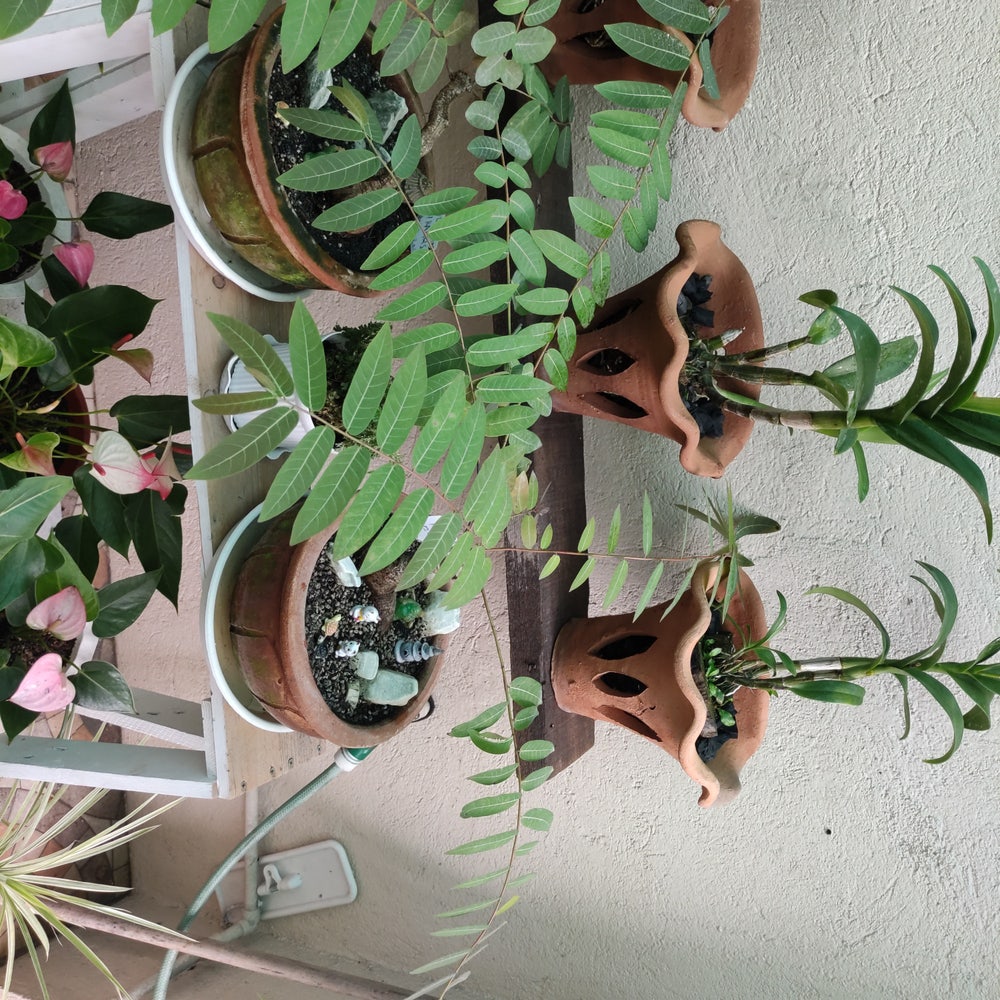
Best Spot to Plant Your Indian Gooseberry
Phyllanthus emblica
By the Greg Editorial Team
Nov 09, 2024•5 min read
This article was created with the help of AI so we can cover more plants for you. May contain errors. See one? Report it here.
Unlock your Indian Gooseberry's full potential with expert tips on sunlight, soil, and wind protection! 🌱🌬️
- 🌞 Morning sunlight is ideal for Indian Gooseberry; avoid harsh afternoon sun.
- 🌳 Assess shade from trees and structures to ensure optimal growth conditions.
- 🌱 Test soil pH and drainage to prevent root rot and promote healthy plants.
Assessing the Best Spot
🌞 Evaluating Sunlight Patterns in the Garden
To ensure your Indian Gooseberry thrives, start by observing sunlight patterns in your garden. Morning light is typically gentler and can be more beneficial than the harsher afternoon sun.
Next, identify any shaded areas caused by trees, fences, or buildings. These shadows can significantly impact your plant's growth, so take note of where the light hits throughout the day.
For a more precise assessment, consider using a sunlight meter. Alternatively, simple observation over several days can provide valuable insights into how sunlight moves across your garden.
🌱 Analyzing Soil Conditions and Drainage
Soil conditions play a crucial role in the health of your Indian Gooseberry. Begin by conducting pH and nutrient tests to ensure optimal growing conditions.
Next, assess drainage by checking for standing water or compacted soil. If you notice poor drainage, amending the soil with organic matter or sand can improve its structure and promote better water flow.
🌤️ Considering Microclimates and Their Effects
Understanding microclimates can give your Indian Gooseberry a growth advantage. Microclimates are areas within your garden that have distinct climate conditions, often influenced by nearby structures or natural features.
Identify these microclimates by looking for warm spots near walls or cold pockets in low areas. Positioning your Indian Gooseberry in a favorable microclimate can enhance its growth and fruit production.
By carefully evaluating sunlight, soil, and microclimates, you set the stage for a thriving Indian Gooseberry plant. Next, let’s explore the importance of wind protection and how to create effective windbreaks for your garden.
Wind Protection and Shelter
Importance of Wind Protection for Indian Gooseberry 🌬️
Wind can be a silent adversary for your Indian Gooseberry plants. Strong gusts can damage branches and significantly reduce fruit yield, making wind protection essential.
Despite their deep roots, Indian Gooseberries are surprisingly vulnerable to high winds. Without adequate shelter, these plants may struggle to thrive and produce fruit.
Best Practices for Creating Windbreaks 🌳
Creating effective windbreaks is crucial for safeguarding your Indian Gooseberry. One of the simplest methods is to plant trees or shrubs that can act as natural barriers against the wind.
If natural options aren't available, consider artificial windbreaks like fences or trellises. These structures can effectively reduce wind exposure and create a more stable environment for your plants.
When positioning windbreaks, aim to place them at an angle to the prevailing winds. This strategic placement maximizes their effectiveness, providing your Indian Gooseberry with the protection it needs to flourish.
With wind protection in place, your Indian Gooseberry will be better equipped to grow strong and produce abundant fruit. Next, let’s explore the shade tolerance and sun requirements for these resilient plants.
Shade Tolerance and Sun Requirements
🌳 Shade Tolerance of Indian Gooseberry
Indian gooseberry, or Amla, can tolerate some shade but thrives best in full sun. When grown in too much shade, you may notice a decline in fruiting and overall growth vigor.
☀️ Balancing Sun Exposure with Shade Needs
To optimize growth, consider planting in areas that receive dappled sunlight. This allows the plant to benefit from morning sun while enjoying the cooler afternoon shade, striking a balance that promotes healthy development.
Understanding these sun and shade requirements is crucial for your Indian gooseberry's success. Next, we’ll explore practical tips for selecting the best planting site to ensure your plant flourishes.
Practical Tips for Site Selection
Steps to Choose the Best Planting Site 🌱
Choosing the right spot for your Indian Gooseberry is crucial for its growth. Start by assessing sunlight availability; monitor the area for at least a week to understand how much light it receives.
Next, test the soil conditions. Conduct tests for pH and drainage to ensure the soil is suitable for planting.
Evaluate the proximity to structures. Make sure there's adequate spacing to allow the plant to thrive without competition for resources.
Finally, consider wind exposure. Identify potential windbreaks that can protect your plant from strong gusts.
Tools and Methods for Assessing Site Conditions 🛠️
Utilizing the right tools can make site selection easier and more effective. Soil testing kits are essential for analyzing pH and nutrient levels, ensuring your soil is primed for planting.
Sunlight meters can help you measure light intensity accurately. This tool is particularly useful for determining the best locations for your Indian Gooseberry.
Additionally, garden planning software can visualize plant placement and conditions. This can help you strategize the layout of your garden for optimal growth.
By following these practical tips and using the right tools, you can set your Indian Gooseberry up for success. Next, let’s explore common mistakes in site selection that you should avoid.
Common Mistakes in Site Selection
🌞 Misjudging Sunlight Exposure
One of the most common mistakes gardeners make is overestimating the shade tolerance of Indian Gooseberry. Many assume this resilient plant can thrive in low light, but it actually prefers full sun for optimal growth and fruit production.
Seasonal changes also play a crucial role in sunlight exposure. Ignoring how the sun's position shifts throughout the year can lead to inadequate light during critical growth periods.
🚰 Ignoring Soil Drainage Issues
Another frequent oversight is planting in poorly drained areas. This can expose the Indian Gooseberry to root rot and significant stress, ultimately jeopardizing its health.
Failing to amend soil before planting is a mistake that can have lasting consequences. Improving drainage with organic matter or sand is essential for creating a thriving environment.
🏡 Planting Too Close to Structures or Other Plants
Proximity to structures or other plants can lead to competition for resources. This competition can stunt growth and reduce fruit yield, making it vital to give your Indian Gooseberry ample space.
Additionally, shade from nearby structures can have long-term effects on sunlight exposure. Over time, this can hinder the plant's overall health and productivity, so careful planning is key.
By avoiding these common pitfalls, you can set your Indian Gooseberry up for success. Next, let’s explore practical tips for selecting the best planting site.
⚠️ Safety First
This content is for general information and may contain errors, omissions, or outdated details. It is not medical, veterinary advice, or an endorsement of therapeutic claims.
Always consult a qualified healthcare professional before using any plant as food, medicine, or supplement.
Never eat any plant (or feed one to pets) without confirming its identity with at least two trusted sources.
If you suspect poisoning, call Poison Control (800) 222-1222, the Pet Poison Helpline (800) 213-6680, or your local emergency service immediately.
Spotted an error? Please report it here.
Secure your Indian Gooseberry's success 🌱 by using Greg's tailored sunlight and soil insights to find its perfect planting spot!