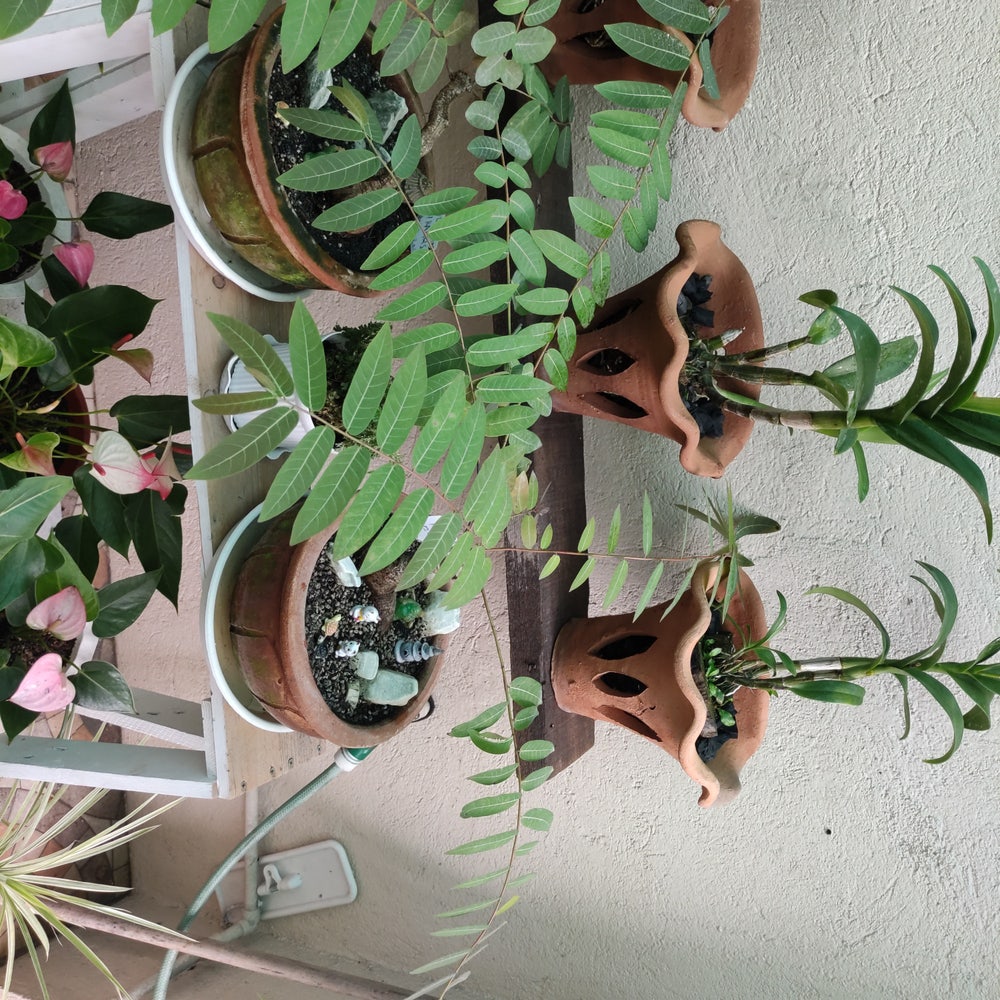
Indian Gooseberry: Not an Invasive Plant 🍇
Phyllanthus emblica
By the Greg Editorial Team
Nov 09, 2024•4 min read
This article was created with the help of AI so we can cover more plants for you. May contain errors. See one? Report it here.
Boost your garden's health 🌱 and attract wildlife with the versatile Indian Gooseberry, a true eco-friendly gem! 🐦
- 🌱 Indian Gooseberry is non-invasive, making it a sustainable choice for gardens.
- 🐦🍏 Supports local wildlife by providing food for birds and beneficial insects.
- 🌞 Thrives in sunny, well-drained soils, enhancing garden health and biodiversity.
Growth Habits
🌱 Typical Growth Patterns
The Indian Gooseberry, or Amla, grows as a bushy tree adorned with thorny branches. Its deciduous nature means it sheds leaves in winter, creating a striking silhouette against the cold season.
🌍 Natural Habitat and Growth Limits
This resilient plant thrives in tropical and subtropical climates, where warmth and moisture are abundant. It prefers well-drained sandy or loamy soils, which allow its roots to spread and absorb nutrients effectively.
✂️ Spread Potential and Management Techniques
While the Indian Gooseberry can grow robustly, its spread is naturally limited by climate and soil conditions. To keep it manageable and fitting within garden designs, regular pruning is recommended, making it an easy plant to maintain.
Ecological Role
🐝 Benefits to Local Wildlife
The Indian gooseberry is a fantastic addition to any garden, especially for attracting beneficial insects. Bees and butterflies flock to its flowers, playing a crucial role in pollination.
Moreover, the fruits of the Indian gooseberry serve as a nutritious food source for birds and small mammals. This not only supports local wildlife but also enhances the overall biodiversity of your garden.
🌱 Interactions with Other Plants
Companion planting with Indian gooseberry can significantly boost your garden's health. By pairing it with other plants, you can enhance biodiversity, creating a thriving ecosystem.
Additionally, the deep roots of the Indian gooseberry improve soil structure and prevent erosion. This natural process promotes soil health, making it a valuable asset in any garden design.
The ecological benefits of the Indian gooseberry extend beyond its immediate surroundings. Its role in supporting wildlife and improving soil health makes it an excellent choice for environmentally conscious gardeners.
As we explore garden management techniques next, consider how these ecological interactions can inform your planting strategies.
Garden Management
Effective Incorporation into Garden Designs 🌱
When incorporating Indian gooseberry into your garden, consider placing it in sunny areas. This bushy tree thrives with adequate space to grow, allowing its thorny branches to flourish without crowding other plants.
Using Indian gooseberry as a focal point can enhance your garden's aesthetic appeal. It pairs beautifully in mixed plantings, adding texture and interest to your landscape.
Aesthetic Considerations and Growth Control Methods ✂️
Regular pruning is essential for maintaining the desired shape and size of your Indian gooseberry. This moderate difficulty task not only keeps the plant manageable but also encourages healthy growth.
Seasonal maintenance is crucial for promoting vitality. Establish a fertilization and watering schedule to ensure your Indian gooseberry remains robust throughout the year.
Companion Planting 🌼
Consider planting herbs and flowers that attract beneficial insects alongside your Indian gooseberry. These companion plants can create a thriving ecosystem in your garden.
The benefits of companion planting extend beyond aesthetics. It enhances growth and pest resistance, making your garden more resilient and productive.
Incorporating Indian gooseberry into your garden design not only beautifies your space but also supports local wildlife and promotes a healthy ecosystem. As you plan your garden, think about how this versatile plant can fit into your overall design strategy.
Comparison to Other Plants
🌱 Similar Non-Invasive Plants
When considering non-invasive fruit trees for your garden, Indian Gooseberry stands out alongside others like fig, pomegranate, and mulberry. These trees share characteristics such as adaptability to various climates and minimal competition with native flora, making them excellent choices for sustainable gardening.
🌟 Unique Qualities
Indian Gooseberry is particularly notable for its high vitamin C content, which supports immune health and overall wellness. Additionally, its drought resistance allows it to thrive in diverse soil types, ensuring it remains a resilient option for gardeners.
🍏 Benefits of Choosing Indian Gooseberry
Opting for Indian Gooseberry not only benefits your garden's aesthetic but also supports local ecosystems due to its non-invasive nature. Its culinary versatility and medicinal properties make it a valuable addition, enriching both your meals and health.
Incorporating Indian Gooseberry into your garden can lead to a thriving, sustainable environment that benefits both you and the local wildlife. Next, let’s explore how to effectively manage and incorporate this remarkable plant into your garden designs.
⚠️ Safety First
This content is for general information and may contain errors, omissions, or outdated details. It is not medical, veterinary advice, or an endorsement of therapeutic claims.
Always consult a qualified healthcare professional before using any plant as food, medicine, or supplement.
Never eat any plant (or feed one to pets) without confirming its identity with at least two trusted sources.
If you suspect poisoning, call Poison Control (800) 222-1222, the Pet Poison Helpline (800) 213-6680, or your local emergency service immediately.
Spotted an error? Please report it here.
Transform your garden with the resilient Indian Gooseberry 🌱 and let Greg provide tailored care reminders to help your Amla flourish while supporting local wildlife!