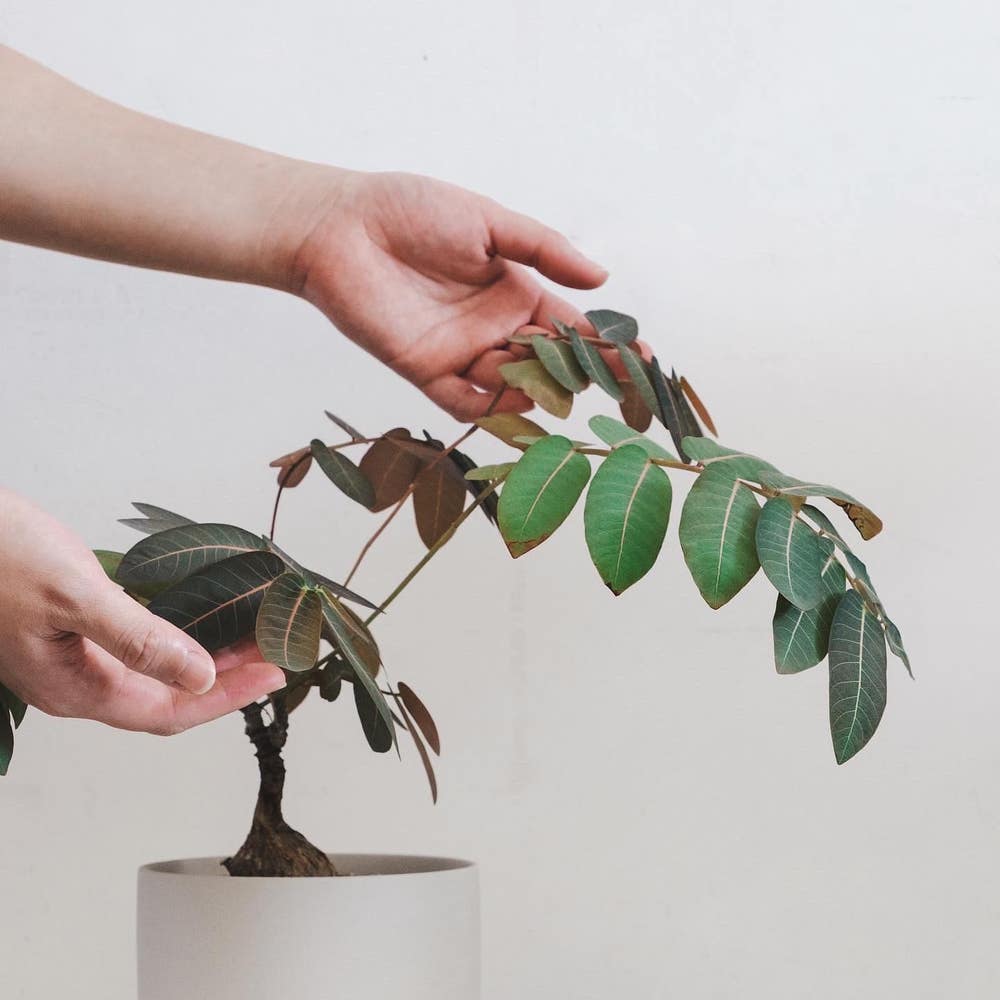
💧 Humidity Needs for Your Indian Gooseberry
Phyllanthus emblica
By the Greg Editorial Team
Nov 09, 2024•7 min read
This article was created with the help of AI so we can cover more plants for you. May contain errors. See one? Report it here.
Unlock your Indian Gooseberry's growth potential 🌱 by mastering the perfect humidity levels for thriving fruit production!
- 🌬️ Indian Gooseberry thrives at 60%-80% humidity for optimal health and hydration.
- 🌱 Varieties differ: North Indian Amla needs higher humidity than South Indian Amla.
- 🚫 Low humidity causes leaf curling and stunted growth; monitor and adjust care accordingly.
Ideal Humidity Levels for Indian Gooseberry
Optimal Humidity Conditions 🌧️
Indian Gooseberry, or Amla, flourishes in environments with relative humidity levels between 60% and 80%. This range is crucial for its growth, as it ensures the plant remains hydrated and healthy.
Seasonal changes can significantly impact humidity levels. Understanding these fluctuations is essential for providing the right care throughout the year.
Humidity Preferences by Variety 🌿
Different varieties of Indian Gooseberry have unique humidity preferences.
- North Indian Amla tends to thrive in slightly higher humidity, reflecting its native habitat's conditions.
- South Indian Amla, while adaptable to lower humidity, still requires a humid environment to achieve optimal growth.
Recognizing these preferences can help you tailor your care approach for each variety, ensuring they receive the right conditions to thrive.
Effects of Low Humidity on Indian Gooseberry
🌵 Symptoms of Low Humidity Stress
Low humidity can significantly impact your Indian Gooseberry, leading to noticeable symptoms. Leaf curling and browning are common indicators, signaling that the plant is losing moisture.
Stunted growth is another telltale sign, as the plant struggles to thrive in dry conditions. Additionally, poor fruit yield often results from low humidity, affecting both the quantity and quality of the harvest.
⏳ Long-term Consequences
The long-term effects of low humidity can be detrimental. Weakened plants become increasingly susceptible to pests and diseases, making them vulnerable to infestations.
Prolonged exposure to low humidity can lead to potential permanent damage, affecting the overall health and vitality of your Indian Gooseberry. Understanding these risks is crucial for maintaining a thriving plant.
By recognizing the symptoms and consequences of low humidity, you can take proactive steps to ensure your Indian Gooseberry remains healthy and productive. Next, we will explore the effects of high humidity on this resilient plant.
Effects of High Humidity on Indian Gooseberry
🌧️ Symptoms of High Humidity Stress
High humidity can pose significant challenges for Indian Gooseberry plants. One of the most common issues is the increased risk of fungal diseases, such as powdery mildew and root rot, which thrive in overly moist conditions.
Another symptom to watch for is leaf drop. Excess moisture can stress the plant, leading to shedding leaves and a less vibrant appearance.
⚠️ Long-term Consequences
The long-term effects of high humidity can be detrimental to root health. Overly moist conditions can cause root rot, severely impacting the plant's ability to absorb nutrients effectively.
Additionally, high humidity can lead to decreased fruit quality. The taste and texture of the fruit may suffer, resulting in a less enjoyable harvest.
Understanding these effects is crucial for maintaining the health of your Indian Gooseberry. By monitoring humidity levels and adjusting care practices accordingly, you can help ensure your plant thrives in its environment.
Assessing Local Humidity
📏 How to Measure Local Humidity
To effectively care for your Indian Gooseberry, measuring local humidity is crucial. Use tools like hygrometers or digital weather stations to keep track of humidity levels in your environment.
Regular monitoring is essential. It empowers you to make informed decisions about your plant's care, ensuring it thrives in the right conditions.
🌦️ Understanding Seasonal Humidity Variations
Humidity levels can fluctuate significantly throughout the year. Understanding these seasonal changes helps you adapt your care practices accordingly.
Adjusting your watering and humidity-boosting strategies based on seasonal conditions can make a big difference in your plant's health. For instance, during dry seasons, you might need to increase humidity levels to support growth.
🌱 Adapting Care Based on Local Humidity Conditions
Different humidity levels require specific care adjustments. For low humidity environments, consider increasing watering frequency or using humidity-boosting techniques.
Conversely, in high humidity conditions, focus on improving air circulation and reducing moisture retention. Knowing your local climate is key to effective plant care, allowing you to tailor your approach for optimal growth and fruit production.
Strategies for Boosting Humidity
🌬️ Using Humidifiers
Humidifiers are a fantastic way to maintain the right moisture levels for your Indian Gooseberry. You can choose between cool mist and warm mist humidifiers, both of which effectively increase humidity around your plants.
Position your humidifier close to the Indian Gooseberry to ensure optimal moisture distribution. This will create a more favorable environment for growth and fruit production.
🌱 Grouping Plants Together
Clustering your plants can significantly boost humidity levels. When plants are grouped, they create a microenvironment that retains moisture more effectively.
Ensure you maintain adequate spacing between plants to allow for good air circulation. This balance helps prevent mold while maximizing humidity.
🪨 Pebble Trays and Water Bowls
Creating pebble trays is an easy and effective method to enhance humidity. Simply fill a tray with pebbles and add water, placing it near your Indian Gooseberry.
Additionally, placing bowls of water around the plant can also help increase moisture levels. This simple trick can make a noticeable difference in your plant's health.
💦 Misting Techniques
Misting your Indian Gooseberry can provide a quick humidity boost. Aim to mist your plant in the morning or early afternoon to avoid over-saturation.
Using distilled water is crucial to prevent mineral buildup on the leaves. This practice not only helps maintain humidity but also keeps your plant looking its best.
By implementing these strategies, you can create a thriving environment for your Indian Gooseberry, ensuring it receives the humidity it needs for optimal growth. Next, let’s explore how to reduce humidity when it becomes excessive.
Strategies for Reducing Humidity
🌬️ Improving Air Circulation
Airflow is crucial for maintaining healthy humidity levels around your Indian Gooseberry. Stagnant air can create a breeding ground for mold and mildew, which can harm your plant.
To enhance airflow, consider using fans or placing your plants in well-ventilated areas. This simple adjustment can significantly reduce humidity-related issues.
💧 Using Dehumidifiers
Dehumidifiers are essential tools when humidity levels become excessive, especially in closed environments. They help maintain a balanced atmosphere, ensuring your Indian Gooseberry thrives without the risk of over-saturation.
When using a dehumidifier, pay attention to its placement and settings. You want to control moisture effectively without completely drying out the air.
📍 Choosing the Right Location for Your Plant
Selecting the ideal location for your Indian Gooseberry is vital. Avoid overly humid areas like bathrooms or poorly ventilated spaces, as these can lead to problems.
Consider the balance between light and airflow. A well-lit, breezy spot will not only help control humidity but also promote healthy growth and fruit production.
By implementing these strategies, you can create an optimal environment for your Indian Gooseberry, ensuring it flourishes beautifully. Next, let’s explore how to assess local humidity to tailor your care practices effectively.
Humidity and Plant Health
🌿 Signs of Humidity Stress in Indian Gooseberry
Humidity stress can manifest in several visual indicators. Look out for leaf discoloration, wilting, and unusual growth patterns, as these are signs your Indian Gooseberry may be struggling.
Behavioral changes can also signal humidity issues. You might notice alterations in fruiting and flowering cycles, which can affect overall plant productivity.
💧 Importance of Humidity for Growth and Fruit Production
Humidity plays a crucial role in photosynthesis and nutrient uptake. Adequate moisture levels ensure that your Indian Gooseberry can effectively convert sunlight into energy, promoting healthy growth.
Moreover, there's a direct correlation between humidity and fruit quality. Optimal moisture levels can enhance the flavor, size, and yield of your fruit, making it essential for a bountiful harvest.
❓ Common Misconceptions about Humidity Needs
Many misconceptions exist regarding humidity levels and plant health. It's important to clarify that not all plants thrive under the same humidity conditions; each species has unique requirements.
Tailored care is vital for successful gardening. Understanding the specific humidity needs of your Indian Gooseberry will help you provide the best environment for its growth and fruit production.
As we delve deeper into the strategies for managing humidity, you'll discover practical tips to ensure your Indian Gooseberry thrives in its ideal conditions.
⚠️ Safety First
This content is for general information and may contain errors, omissions, or outdated details. It is not medical, veterinary advice, or an endorsement of therapeutic claims.
Always consult a qualified healthcare professional before using any plant as food, medicine, or supplement.
Never eat any plant (or feed one to pets) without confirming its identity with at least two trusted sources.
If you suspect poisoning, call Poison Control (800) 222-1222, the Pet Poison Helpline (800) 213-6680, or your local emergency service immediately.
Spotted an error? Please report it here.
Keep your Indian Gooseberry flourishing with tailored humidity tips 🌿 from Greg, ensuring it gets the perfect environment for optimal health and fruit production!