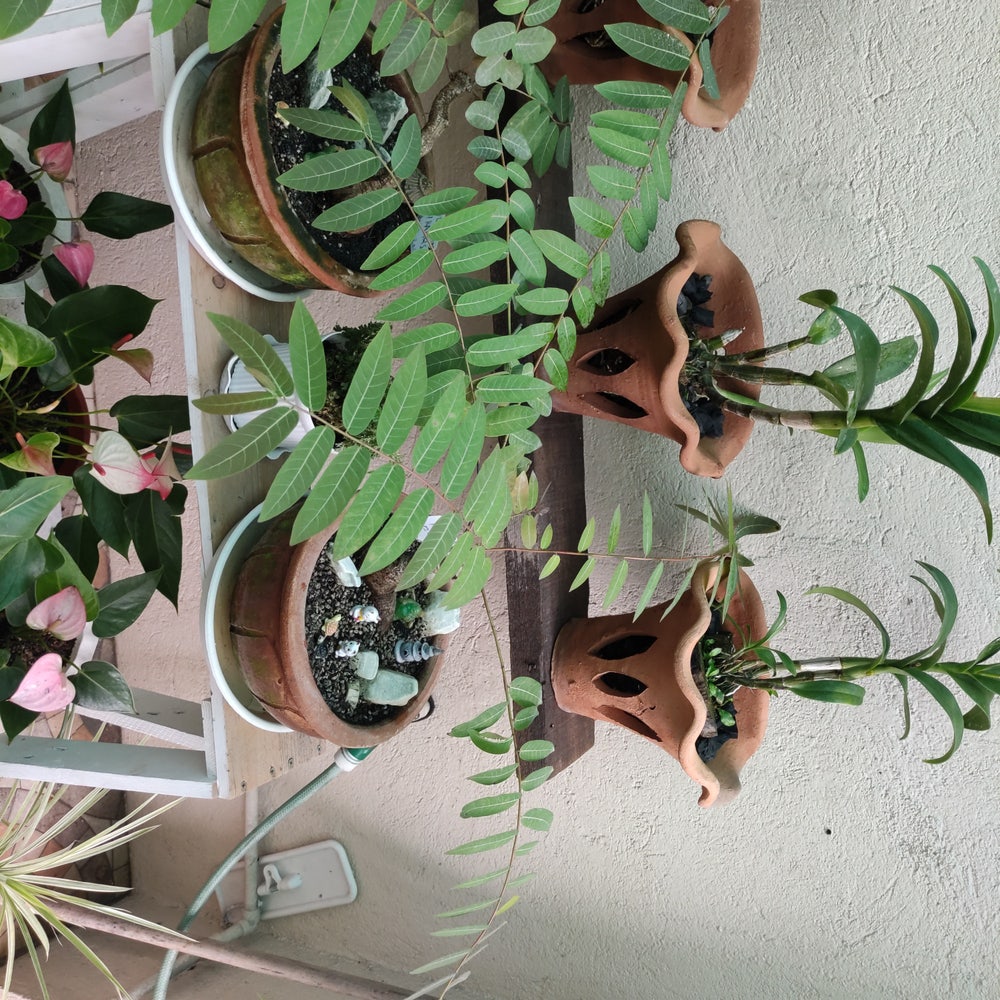
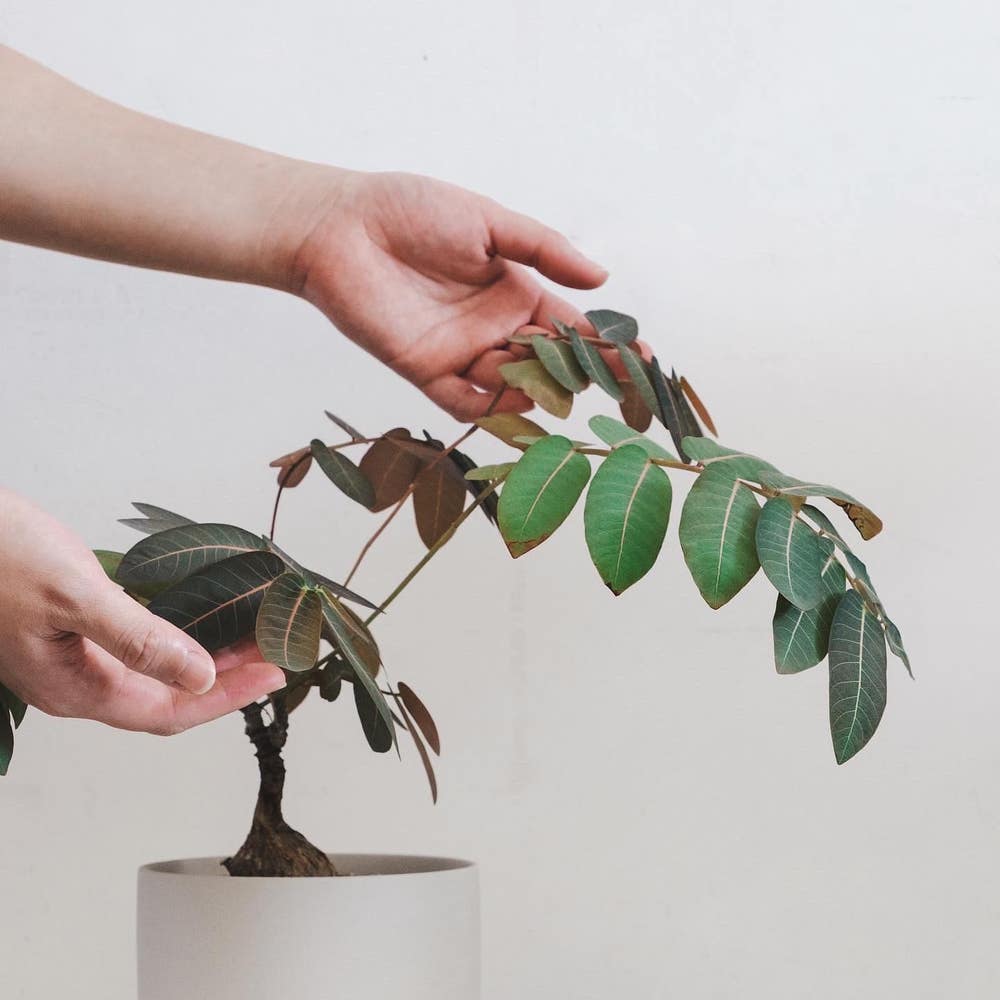
Ultimate Guide to Fixing Curling Leaves on Indian Gooseberry 🍏
Phyllanthus emblica
By the Greg Editorial Team
Nov 09, 2024•6 min read
This article was created with the help of AI so we can cover more plants for you. May contain errors. See one? Report it here.
Transform your Indian gooseberry plants into thriving beauties 🌿 by mastering the secrets to preventing curling leaves!
- 🌡️ Curling leaves result from temperature extremes and low humidity; maintain 40-60% humidity.
- 🐜 Pests like aphids and spider mites cause curling; use natural predators for control.
- 🌱 Nutrient deficiencies in nitrogen and potassium lead to curling; apply balanced fertilizers.
Causes of Curling Leaves
🌡️ Environmental Stress Factors
Temperature extremes can significantly impact the health of Indian gooseberry plants. High temperatures above 35°C (95°F) can lead to leaf curling, while low temperatures below 10°C (50°F) can also stress the plant.
Humidity levels play a crucial role in leaf health as well. Low humidity can cause dehydration, resulting in curling leaves. For optimal growth, aim for a humidity range of 40-60%.
🐜 Pest Infestations
Aphids
Aphids are notorious pests that can wreak havoc on your plants. Signs of infestation include a sticky residue on leaves, known as honeydew, and distorted, curled leaves.
To control aphids, consider introducing natural predators like ladybugs. Alternatively, you can use insecticidal soap or neem oil for effective treatment.
Spider Mites
Spider mites are another common pest that can cause significant damage. Look for fine webbing on leaves and yellowing or curling of the foliage as telltale signs of an infestation.
Increasing humidity around the plant can help deter spider mites. Additionally, applying miticides or insecticidal soap can effectively manage their population.
🥦 Nutrient Deficiencies
Nitrogen Deficiency
Nitrogen deficiency manifests through yellowing leaves and stunted growth. Typically, older leaves curl first, signaling a need for nutrient intervention.
To remedy this, apply a balanced fertilizer that is high in nitrogen. This will help restore the plant's vigor and promote healthy growth.
Potassium Deficiency
Potassium deficiency is characterized by marginal leaf curling and browning, along with weak stems and poor fruit development. These symptoms indicate that your plant is lacking essential nutrients.
Using potassium-rich fertilizers or organic amendments like banana peels can effectively address this deficiency. Regular supplementation will enhance overall plant health.
🍄 Fungal Infections
Powdery Mildew
Powdery mildew is a fungal infection that presents as white, powdery spots on leaves. This condition can lead to curling and distortion of the foliage.
To combat powdery mildew, apply fungicides or natural remedies such as a baking soda solution. Early intervention is key to preventing further damage.
💧 Overwatering and Underwatering Effects
Overwatering can lead to root rot, yellowing leaves, and curling. To prevent this, ensure your soil has good drainage and adjust your watering frequency accordingly.
Conversely, underwatering results in wilting and curling leaves. Maintaining consistent soil moisture, ideally between 50-70%, is essential for the health of your Indian gooseberry plant.
Understanding these causes of curling leaves is crucial for effective plant care. By addressing environmental stress, pest infestations, nutrient deficiencies, fungal infections, and watering practices, you can help your Indian gooseberry thrive. Next, we will explore how to diagnose curling leaves effectively.
Diagnosing Curling Leaves
🕵️♂️ Identifying Symptoms of Leaf Curl
When diagnosing curling leaves on Indian gooseberry, start by observing visual signs. Look for leaf shape distortion and any color changes, such as yellowing or browning.
Timing is also crucial. Note if the curling occurs during specific seasons or follows particular weather events, as this can provide valuable clues.
🐛 Differentiating Between Pest Damage and Environmental Stress
Next, differentiate between pest damage and environmental stress. Check the underside of leaves for pests and look for signs like honeydew or webbing.
For environmental stress, assess recent weather changes, including temperature and humidity fluctuations. Also, evaluate your watering practices and soil conditions to identify potential issues.
🌱 Assessing Soil Conditions and Moisture Levels
Soil conditions play a significant role in plant health. Conduct soil testing to check pH levels, aiming for an ideal range of 6.0-7.0, and test for nutrient levels, particularly nitrogen, phosphorus, and potassium (N-P-K).
Moisture levels are equally important. Use a moisture meter or check the soil texture to ensure it maintains an ideal moisture content of 50-70% for Amla. This balance is essential for preventing leaf curl and promoting healthy growth.
By carefully diagnosing these aspects, you can pinpoint the cause of curling leaves and take appropriate action. This understanding sets the stage for effective treatment options, ensuring your Indian gooseberry thrives.
Treatment Options
🌿 Organic Pest Control Methods
Neem oil is a powerful ally in the battle against pests. Apply it every 7-14 days during the pest season by diluting it and spraying it on the affected areas.
Insecticidal soap is another effective option. Spray it directly on the pests during early morning or late evening for the best results.
💪 Nutrient Supplementation Strategies
For optimal growth, use a balanced NPK fertilizer. Apply it every 4-6 weeks throughout the growing season to ensure your Indian gooseberry receives the nutrients it needs.
Incorporating organic amendments like compost or well-rotted manure into the soil can significantly enhance fertility. This practice not only nourishes the plant but also improves soil structure.
💧 Adjusting Watering Practices
Establishing a consistent watering schedule is crucial. Water deeply once a week, adjusting based on rainfall, and ensure the soil dries slightly between watering sessions.
Monitoring soil moisture is equally important. Use a moisture meter or perform a finger test to check for dampness, aiming for a balanced moisture level.
🍄 Fungal Treatment Options
⚗️ Chemical Fungicides
When dealing with fungal infections, follow the manufacturer’s guidelines for dosage and frequency of chemical fungicides. Timing is key; apply them at the first signs of infection or as a preventive measure.
🌱 Natural Remedies
A simple baking soda solution can work wonders against fungal issues. Mix 1 tablespoon of baking soda with 1 gallon of water and spray it on affected leaves every 7-14 days for effective treatment.
With these treatment options, you can effectively combat the curling leaves on your Indian gooseberry. Next, let’s explore preventive measures to keep your plants healthy and thriving.
Preventive Measures
Best Practices for Care 🌱
Soil management is crucial for the health of your Indian gooseberry plants. Regularly amend the soil with organic matter to enhance fertility and support robust growth.
Proper spacing between plants is equally important. This ensures adequate air circulation, which helps reduce humidity and minimizes the risk of fungal infections.
Regular Monitoring for Pests and Diseases 🐛
To keep your plants healthy, inspect them weekly for any signs of pests or diseases. Early detection is key to effective management.
Additionally, maintain a log of observed issues and treatments applied. This record-keeping will help you identify patterns and improve your care strategies over time.
Soil Health Management 🧪
Testing your soil annually is a smart practice. Check nutrient levels and pH to ensure your plants have the right conditions for growth.
Crop rotation is another effective strategy. By rotating planting areas, you can prevent soil depletion and reduce the buildup of diseases.
Seasonal Care Tips 🌸
In spring, focus on fertilizing and monitoring for pests as new growth appears. This proactive approach sets the stage for a healthy growing season.
During summer, maintain consistent watering and keep an eye out for heat stress. Your plants will appreciate the attention.
As fall approaches, prepare your plants for dormancy. Reduce watering and apply mulch to protect the roots during the colder months.
By following these preventive measures, you can create a thriving environment for your Indian gooseberry plants. This proactive care will help minimize issues like curling leaves and ensure a bountiful harvest.
⚠️ Safety First
This content is for general information and may contain errors, omissions, or outdated details. It is not medical, veterinary advice, or an endorsement of therapeutic claims.
Always consult a qualified healthcare professional before using any plant as food, medicine, or supplement.
Never eat any plant (or feed one to pets) without confirming its identity with at least two trusted sources.
If you suspect poisoning, call Poison Control (800) 222-1222, the Pet Poison Helpline (800) 213-6680, or your local emergency service immediately.
Spotted an error? Please report it here.
Keep your Indian gooseberry healthy and happy 🌱 by using Greg's tailored care reminders and pest management tips to prevent curling leaves and boost your harvest!